

Is acidic silicone sealant resistant to solvents?
Dec 10, 2025
Leave a message
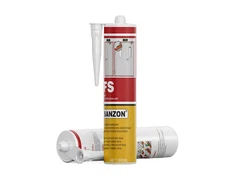
Acidic silicone sealant is a widely used product in the construction and industrial sectors, known for its excellent sealing properties and durability. As a supplier of acidic silicone sealant, I often receive inquiries about its resistance to solvents. In this blog, I will explore the solvent resistance of acidic silicone sealant, providing insights based on scientific knowledge and practical experience.
Understanding Acidic Silicone Sealant
Acidic silicone sealant is a type of sealant that cures by a process called hydrolysis. When exposed to air, the acetic acid in the sealant reacts with moisture, releasing acetic acid vapor and forming a rubber - like material. This type of sealant is popular due to its good adhesion to a variety of substrates, including glass, ceramic, and some metals. It also has good flexibility and weather resistance, making it suitable for both indoor and outdoor applications.
Solvent Resistance Mechanisms
The solvent resistance of a material depends on several factors, including its chemical structure, cross - linking density, and the nature of the solvent. In the case of acidic silicone sealant, the silicone polymer chains are highly cross - linked during the curing process. This cross - linking forms a three - dimensional network that restricts the movement of the polymer chains and makes it difficult for solvent molecules to penetrate the material.
Silicone polymers have a non - polar structure, which means they are less likely to interact with polar solvents. Polar solvents, such as water and alcohols, have a positive and negative end, and they tend to dissolve polar substances. Since acidic silicone sealant is non - polar, it exhibits good resistance to many polar solvents.
Resistance to Common Solvents
Water
Water is one of the most common substances that sealants encounter. Acidic silicone sealant has excellent water resistance. The cross - linked silicone network prevents water molecules from penetrating the sealant, protecting the underlying substrate from moisture damage. This is why it is often used in applications such as bathrooms and kitchens, where there is a high level of humidity.
Alcohols
Alcohols are polar solvents with different degrees of polarity depending on their molecular structure. Generally, acidic silicone sealant shows good resistance to low - molecular - weight alcohols such as methanol and ethanol. However, higher - molecular - weight alcohols or alcohol - based solvents with additives may have a more significant effect on the sealant over time. Prolonged exposure to concentrated alcohol solutions may cause some swelling or softening of the sealant, which can reduce its sealing performance.
Hydrocarbons
Hydrocarbons are non - polar solvents that include substances such as gasoline, diesel, and mineral spirits. Acidic silicone sealant has relatively poor resistance to hydrocarbons. The non - polar nature of hydrocarbons allows them to interact with the non - polar silicone polymer chains, causing swelling and eventually degradation of the sealant. This is an important consideration when using acidic silicone sealant in applications where it may come into contact with hydrocarbon - based substances, such as in automotive or industrial settings.
Ketones
Ketones, such as acetone, are strong solvents that can dissolve many organic materials. Acidic silicone sealant is not resistant to ketones. Acetone and other ketones can quickly break down the cross - linked silicone network, causing the sealant to soften, dissolve, and lose its sealing properties. Therefore, it is crucial to avoid using acidic silicone sealant in environments where it will be exposed to ketones.
Factors Affecting Solvent Resistance
Several factors can affect the solvent resistance of acidic silicone sealant:
Curing Conditions
Proper curing is essential for achieving optimal solvent resistance. If the sealant does not cure completely, it may have a lower cross - linking density, making it more vulnerable to solvent attack. Factors such as temperature, humidity, and the presence of contaminants during the curing process can all influence the degree of curing and, consequently, the solvent resistance of the sealant.
Thickness of the Sealant Layer
The thickness of the sealant layer can also impact its solvent resistance. A thicker layer of sealant may provide better protection against solvents as it takes longer for the solvent to penetrate through the entire layer. However, if the thickness is too great, it may lead to issues with curing and adhesion.
Substrate
The type of substrate to which the sealant is applied can affect its solvent resistance. Some substrates may interact with the sealant or the solvent, altering the chemical and physical properties of the sealant - substrate interface. For example, if the substrate absorbs the solvent, it may cause the sealant to fail prematurely.
Practical Applications and Considerations
When considering the use of acidic silicone sealant in applications where solvent exposure is a concern, it is important to assess the specific solvents involved and the duration and intensity of exposure.
In applications where there is minimal or no solvent exposure, such as general construction sealing around windows and doors, acidic silicone sealant is an excellent choice due to its good adhesion and sealing properties. However, in industrial or automotive applications where there may be contact with hydrocarbons or other aggressive solvents, alternative sealants may be more appropriate.
If you are looking for other types of sealants that offer different properties, we also supply PU Foam, White Acrylic Sealant, and MS Polymer Sealant. These products have different chemical compositions and may be more suitable for applications where acidic silicone sealant's solvent resistance is insufficient.
Conclusion
In summary, acidic silicone sealant has variable resistance to solvents depending on the type of solvent. It shows good resistance to water and some polar solvents like low - molecular - weight alcohols, but it is not resistant to hydrocarbons, ketones, and other strong solvents. When using acidic silicone sealant, it is crucial to consider the specific application and the potential for solvent exposure to ensure the long - term performance of the sealant.


If you have any questions about the solvent resistance of our acidic silicone sealant or other products, or if you are interested in procurement, please feel free to contact us. Our team of experts is ready to assist you in finding the best sealing solution for your needs.
References
- "Handbook of Sealant Technology" by David A. D. Croll
- "Silicone Chemistry and Applications" by Jack L. Margrave
Send Inquiry