

How do I transport the PU foam after buying?
Dec 10, 2025
Leave a message
Hey there! I'm a supplier of Buy PU Foam, and I often get asked about how to transport the PU foam after buying it. So, I thought I'd share some tips and tricks based on my experience in the industry.
First things first, let's talk about what PU foam is. PU foam, or polyurethane foam, is a versatile material used in a wide range of applications, from insulation and cushioning to sealants and adhesives. It comes in different forms, such as rigid foam, flexible foam, and spray foam. And when it comes to transporting it, there are a few things you need to keep in mind.
Understanding the Properties of PU Foam
Before we dive into the transportation process, it's important to understand the properties of PU foam. PU foam is sensitive to heat, moisture, and mechanical stress. Exposure to high temperatures can cause the foam to expand or even catch fire, while moisture can affect its curing process and reduce its performance. Mechanical stress, such as rough handling or compression, can also damage the foam.
Packaging the PU Foam
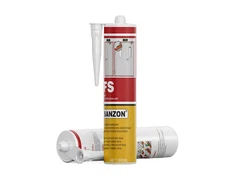
The first step in transporting PU foam is to ensure it's properly packaged. Most PU foam products come in sealed containers, such as cans or drums, which provide some level of protection. However, it's still a good idea to add an extra layer of packaging to prevent damage during transit.
- Use sturdy boxes or crates: Place the sealed containers of PU foam in sturdy boxes or crates that are the right size. Make sure there's enough space for cushioning material, such as bubble wrap or foam peanuts, to prevent the containers from shifting and getting damaged.
- Label the packages: Clearly label the packages as “PU Foam” and include any relevant safety information, such as handling instructions and warning signs. This will help the transportation personnel handle the packages correctly.
Choosing the Right Transportation Method
The next step is to choose the right transportation method for your PU foam. The method you choose will depend on several factors, such as the quantity of foam, the distance of transportation, and the local regulations.


- Local delivery: If you're transporting the PU foam locally, you can use a van or a truck. Make sure the vehicle is clean, dry, and well-ventilated. Avoid exposing the foam to direct sunlight or extreme temperatures.
- Long-distance shipping: For long-distance shipping, you may need to use a freight carrier. Look for a carrier that has experience in transporting hazardous materials, as PU foam is considered a flammable and hazardous substance in some cases. Make sure the carrier follows all the necessary safety regulations and has the proper permits.
Safety Precautions During Transportation
Transporting PU foam requires strict adherence to safety precautions to prevent accidents and ensure the safety of everyone involved.
- Avoid overloading: Don't overload the vehicle or the shipping container. Overloading can cause the packages to shift and increase the risk of damage or spills.
- Secure the packages: Use straps or ropes to secure the packages in place and prevent them from moving during transit. This will help reduce the risk of damage and ensure the safety of the transportation personnel.
- Keep the foam away from heat sources: As mentioned earlier, PU foam is sensitive to heat. Make sure the transportation vehicle or container is kept away from heat sources, such as engines or heaters.
- Follow the local regulations: Different regions may have different regulations regarding the transportation of hazardous materials. Make sure you're familiar with the local regulations and follow them carefully.
Dealing with Spills and Accidents
Despite taking all the necessary precautions, spills and accidents can still happen during transportation. It's important to know how to deal with them quickly and safely.
- Have a spill kit on hand: Keep a spill kit in the transportation vehicle or container. The spill kit should include absorbent materials, such as sand or kitty litter, and protective equipment, such as gloves and goggles.
- Follow the emergency procedures: In case of a spill or accident, follow the emergency procedures immediately. This may include notifying the relevant authorities, containing the spill, and cleaning it up safely.
Additional Considerations
Here are some additional considerations when transporting PU foam:
- Check the expiration date: Make sure the PU foam you're transporting is within its expiration date. Using expired foam can affect its performance and may pose a safety risk.
- Inspect the packages before transportation: Before loading the packages onto the vehicle or container, inspect them carefully for any signs of damage or leakage. If you notice any issues, don't transport the foam until the problem is resolved.
Related Products
If you're interested in other sealant products related to PU foam, you might want to check out Fireproof Sealant and Polyurethane Sealants for Construction. These products can be used in conjunction with PU Foam for various construction and insulation applications.
Conclusion
Transporting PU foam requires careful planning and attention to detail. By following the tips and safety precautions outlined in this blog, you can ensure that your PU foam is transported safely and arrives at its destination in good condition.
If you have any questions about transporting PU foam or are interested in purchasing our PU Foam products, feel free to reach out. We're here to help you with all your sealant needs and can provide you with more information on the best transportation options for your specific requirements.
References
- General knowledge and experience in the PU foam industry.
- Safety regulations and guidelines for transporting hazardous materials.
Send Inquiry