


Is door and window sealant suitable for historical buildings?
Jan 22, 2026
Leave a message
Is door and window sealant suitable for historical buildings?
Hey there! I'm a supplier of door and window sealants, and I often get asked this question: Is door and window sealant suitable for historical buildings? It's a tricky one, and there's no one - size - fits - all answer. So, let's dive right in and explore this topic.
First off, we need to understand what historical buildings are all about. These are structures that have significant cultural, historical, or architectural value. They're like time capsules, holding the stories of our past. Preserving their original appearance and integrity is super important.
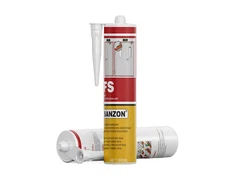
Now, let's talk about door and window sealants. Door and window sealants are designed to fill the gaps between doors, windows, and their frames. They help keep out drafts, water, dust, and noise. They also improve energy efficiency, which is a big plus in today's world. You can check out our Door and Window Sealant for more details on the products we offer.
When it comes to historical buildings, the suitability of door and window sealants depends on several factors.
Compatibility with Building Materials
Historical buildings are often made of unique and old - fashioned materials like stone, brick, wood, or even plaster. These materials have different properties compared to modern building materials. For example, old wood might be more porous, and stone can have different levels of hardness and chemical composition.
A good sealant needs to be compatible with these materials. If the sealant reacts with the building material, it could cause damage over time. Some sealants might contain chemicals that can corrode stone or discolor wood. We've spent a lot of time researching and developing our sealants to ensure they are as compatible as possible with a wide range of historical building materials. Our Polyurethane Sealants for Construction have been formulated to be gentle yet effective.
Aesthetic Impact
One of the biggest concerns with historical buildings is maintaining their aesthetic value. The sealant you choose should not stand out like a sore thumb. It should blend in with the existing architecture. For example, if you're working on a building with a traditional look, a clear or neutral - colored sealant might be a better choice.
Some historical buildings have very intricate door and window designs. Applying a sealant in a way that doesn't cover up or spoil these details is crucial. Our products are designed to be easily applied in a neat and tidy manner, so you can enhance the functionality without sacrificing the beauty of the building.
Long - Term Durability
Historical buildings are meant to last for centuries, so the sealant you use needs to have long - term durability. A short - lived sealant will need to be reapplied frequently, which can cause additional wear and tear on the building.
We test our door and window sealants under various conditions to ensure they can withstand the test of time. They need to be able to handle temperature changes, UV exposure, and moisture. Our Anti - mildew Sealant for Kitchen and Bathroom has the same high - quality standards when it comes to durability, and can give you an idea of our commitment to long - lasting products.
Preservation Requirements
Many historical buildings are subject to preservation regulations. Before applying any sealant, you need to make sure it complies with these rules. Some preservation societies might have specific guidelines on the type of sealant that can be used.
We're always up - to - date with the latest preservation requirements and can provide advice on choosing a sealant that meets these standards. It's important to work with local authorities and preservation experts to ensure you're doing the right thing for the building.
Application Process
The application process of the sealant also matters. For historical buildings, a gentle and non - invasive application method is preferred. Some sealants might require power - tools or harsh chemicals during application, which can be damaging to the old building materials.


Our products come with easy - to - follow instructions for a smooth and safe application process. We want to make sure that even if you're not a professional, you can apply the sealant correctly without causing any harm to the historical building.
Case Studies
Let's look at some real - life examples. There was a 19th - century mansion that was facing issues with drafty windows. The owners were worried about using a sealant that would damage the beautiful wooden frames. After careful consideration, we recommended our Door and Window Sealant. The sealant was applied in a way that didn't cover the intricate carvings on the frames. It not only stopped the drafts but also protected the wood from moisture.
Another case was a stone - built church. The gaps around the doors were letting in water, which was causing damage to the interior. We used our polyurethane sealant, which was compatible with the stone. It filled the gaps effectively and has been holding up well for several years now.
Making the Decision
So, is door and window sealant suitable for historical buildings? In most cases, yes, but with careful consideration. You need to think about the compatibility of the sealant with the building materials, the aesthetic impact, the long - term durability, and the preservation requirements.
If you're involved in a project related to a historical building and need a reliable door and window sealant, we're here to help. Our team of experts can provide personalized advice based on the specific needs of your building. Whether you're a preservationist, a contractor, or a building owner, we have the right product for you.
Don't hesitate to reach out to us to discuss your project in more detail. We're passionate about helping you protect and preserve these precious historical structures while ensuring that they're functional and energy - efficient. Let's work together to make the right choice for your historical building's doors and windows!
References
The National Trust for Historic Preservation. Recommended Practices for Historical Building Preservation.
Smith, J. (2020). The Impact of Sealants on Historical Building Materials. Journal of Architectural Conservation.
International Council on Monuments and Sites (ICOMOS). Guidelines for the Preservation of Historical Buildings.
Send Inquiry