




How to calibrate the filling volume of an Automatic Sealant Filling Machine?
Dec 09, 2025
Leave a message
Calibrating the filling volume of an Automatic Sealant Filling Machine is a crucial process that ensures accurate and consistent product output. As a leading supplier of Automatic Sealant Filling Machines, we understand the importance of precise calibration in maintaining the quality and efficiency of your production line. In this blog post, we will guide you through the steps of calibrating the filling volume of our machines, providing you with the knowledge and tools you need to achieve optimal performance.
Understanding the Basics of Filling Volume Calibration
Before we dive into the calibration process, it's important to understand the basic principles behind filling volume calibration. The filling volume of a sealant filling machine refers to the amount of sealant that is dispensed into each container during the filling process. This volume can be affected by a variety of factors, including the viscosity of the sealant, the speed of the machine, and the accuracy of the filling nozzles.
Calibrating the filling volume involves adjusting these factors to ensure that the machine dispenses the correct amount of sealant into each container. This process is typically done using a combination of manual adjustments and automated controls, depending on the type of machine you are using.
Step 1: Prepare Your Machine
The first step in calibrating the filling volume of your Automatic Sealant Filling Machine is to prepare the machine for calibration. This involves cleaning the machine thoroughly to remove any residual sealant or debris that may affect the accuracy of the calibration process. You should also check the machine for any signs of damage or wear, and replace any worn or damaged parts as needed.
Once the machine is clean and in good working condition, you should set up the machine according to the manufacturer's instructions. This may involve adjusting the filling speed, the filling pressure, and the position of the filling nozzles. You should also make sure that the machine is properly grounded to prevent electrical interference.
Step 2: Select the Calibration Method
There are several methods that can be used to calibrate the filling volume of an Automatic Sealant Filling Machine. The most common methods include using a volumetric measuring device, a weight measuring device, or a combination of both.
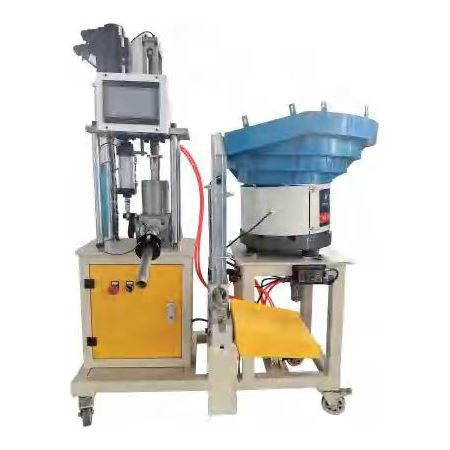

- Volumetric Measuring Device: A volumetric measuring device, such as a graduated cylinder or a burette, can be used to measure the volume of sealant dispensed by the machine. To use this method, you simply place the measuring device under the filling nozzle and activate the machine. The machine will dispense the sealant into the measuring device, and you can then read the volume of the sealant on the measuring device.
- Weight Measuring Device: A weight measuring device, such as a scale or a balance, can be used to measure the weight of the sealant dispensed by the machine. To use this method, you simply place an empty container on the weight measuring device and tare the device to zero. Then, you activate the machine and allow it to dispense the sealant into the container. The weight of the sealant can then be read on the weight measuring device.
- Combination Method: A combination of both volumetric and weight measuring devices can also be used to calibrate the filling volume of the machine. This method provides a more accurate and reliable calibration, as it takes into account both the volume and the weight of the sealant.
Step 3: Set the Initial Filling Volume
Once you have selected the calibration method, you can set the initial filling volume of the machine. This is typically done using the machine's control panel or software. You should set the initial filling volume to a value that is slightly higher than the desired filling volume. This will allow you to make any necessary adjustments during the calibration process.
Step 4: Perform the Calibration
Once the initial filling volume is set, you can perform the calibration process. This involves running the machine and measuring the volume or weight of the sealant dispensed into each container. You should repeat this process several times to ensure that the measurements are accurate and consistent.
If the measured volume or weight is higher or lower than the desired filling volume, you can adjust the filling volume of the machine using the control panel or software. You should make small adjustments at a time and repeat the calibration process until the measured volume or weight is within the desired range.
Step 5: Verify the Calibration
Once you have completed the calibration process, you should verify the calibration to ensure that the machine is dispensing the correct amount of sealant into each container. This can be done by running the machine and measuring the volume or weight of the sealant dispensed into several containers. You should compare the measured volume or weight to the desired filling volume to ensure that the calibration is accurate.
If the measured volume or weight is not within the desired range, you may need to repeat the calibration process or make additional adjustments to the machine. It's important to note that the calibration process may need to be repeated periodically to ensure that the machine continues to dispense the correct amount of sealant into each container.
Types of Sealant Filling Machines
We offer a wide range of Automatic Sealant Filling Machines to meet the needs of different industries and applications. Some of our popular models include:
- Double Cylinder Sealant Filling Machine: This machine is designed for high-volume production and features two cylinders for increased filling speed and efficiency.
- Single Cylinder Sealant Filling Machine: This machine is ideal for small to medium-sized production runs and features a single cylinder for precise filling.
- Three-color Semi-automatic Sealant Filling Machine: This machine is designed for filling sealants of different colors and features a semi-automatic operation for easy use.
Contact Us for Procurement and Consultation
If you are interested in purchasing an Automatic Sealant Filling Machine or need further assistance with calibration or other technical issues, please contact us. Our team of experts is available to answer your questions and provide you with the support you need to make the right decision for your business.
References
- ASTM International. (20XX). Standard Test Methods for Determining the Volume of Liquid Displacement of Powders and Other Solid Materials. ASTM D2840.
- European Federation of Corrosion. (20XX). Guidelines for the Calibration of Filling Machines in the Chemical Industry. EFC Publication No. XX.
- International Organization for Standardization. (20XX). ISO XXXX: Measurement of Filling Volume in Industrial Filling Processes.
Send Inquiry