

Can MS Polymer Sealant be used for sealing in sports facilities?
Nov 14, 2025
Leave a message
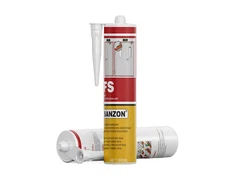
As a supplier of MS Polymer Sealant, I often get asked about its suitability for various applications, especially in sports facilities. In this blog post, I'll delve into the properties of MS Polymer Sealant and explore whether it can be effectively used for sealing in sports facilities.
Understanding MS Polymer Sealant
MS Polymer Sealant is a type of sealant that offers a unique combination of properties. It is based on modified silicone polymers, which give it several advantages over traditional sealants. One of the key features of MS Polymer Sealant is its excellent adhesion. It can bond well to a wide range of substrates, including concrete, metal, glass, and plastic. This makes it suitable for sealing joints and gaps in different parts of sports facilities.
Another important property of MS Polymer Sealant is its flexibility. Sports facilities are subject to various types of movement, such as thermal expansion and contraction, as well as vibrations from activities like running and jumping. MS Polymer Sealant can accommodate these movements without losing its sealing properties. It can stretch and compress, ensuring a long - lasting seal even under dynamic conditions.
MS Polymer Sealant is also resistant to weathering. It can withstand exposure to sunlight, rain, snow, and extreme temperatures. This is crucial for sports facilities, which are often outdoors and need to maintain their integrity in all weather conditions. Additionally, it has good resistance to chemicals, such as cleaning agents that are commonly used in sports facilities to keep the surfaces clean and hygienic.
Applications in Sports Facilities
Stadiums and Arenas
In stadiums and arenas, MS Polymer Sealant can be used for sealing expansion joints in the concrete floors and stands. These joints are necessary to allow for the movement of the structure due to temperature changes and the weight of the spectators. By using MS Polymer Sealant, the joints can be effectively sealed, preventing water infiltration, which could lead to damage to the concrete over time. It can also be used to seal around windows and doors in the stadium buildings, providing an air - tight and water - tight seal.
Swimming Pools
For swimming pools in sports facilities, MS Polymer Sealant is an ideal choice. It can be used to seal the joints between the pool walls and the floor, as well as around the skimmer and return fittings. Its water - resistant properties ensure that there are no leaks, which is essential for maintaining the water level in the pool and preventing water damage to the surrounding areas. Moreover, its resistance to chemicals makes it suitable for use in a chlorinated water environment.
Tennis Courts and Basketball Courts
On tennis courts and basketball courts, MS Polymer Sealant can be used to seal the joints in the asphalt or concrete surface. These joints can develop cracks over time due to the constant impact of the players' movements. Sealing them with MS Polymer Sealant helps to prevent the entry of water, which can cause the surface to deteriorate and become uneven. It also provides a smooth and continuous surface, which is important for the safety and performance of the players.
Comparison with Other Sealants
HIGH TACK Sealant
HIGH TACK Sealant is known for its strong initial adhesion. However, it may not have the same level of flexibility as MS Polymer Sealant. In sports facilities, where movement is common, a sealant that can't accommodate this movement may crack or lose its adhesion over time. MS Polymer Sealant, on the other hand, offers both good adhesion and flexibility, making it a better choice for long - term sealing in sports facilities.
Two - component Silicone Weather - resistant Adhesive
Two - component Silicone Weather - resistant Adhesive has excellent weather resistance, similar to MS Polymer Sealant. But it can be more difficult to apply, as it requires precise mixing of the two components. MS Polymer Sealant is generally easier to handle and can be applied in a single - component form in many cases. Also, silicone sealants can sometimes leave a shiny residue, which may not be desirable in some sports facility applications, while MS Polymer Sealant can provide a more matte finish.


Considerations for Using MS Polymer Sealant in Sports Facilities
Surface Preparation
Proper surface preparation is crucial for the successful application of MS Polymer Sealant. The surfaces to be sealed should be clean, dry, and free of any dust, grease, or loose particles. This can be achieved by using appropriate cleaning agents and tools. For example, on concrete surfaces, shot - blasting or grinding may be required to create a rough surface for better adhesion.
Application Temperature
MS Polymer Sealant has a recommended application temperature range. Applying it outside this range can affect its curing time and performance. In cold weather, the sealant may take longer to cure, while in hot weather, it may cure too quickly, leading to a less - than - optimal seal. It's important to follow the manufacturer's instructions regarding the application temperature.
Joint Design
The design of the joints in sports facilities also affects the performance of the sealant. The joint width and depth should be appropriate for the type of movement expected. A properly designed joint allows the sealant to move freely without being over - stressed. For example, in areas with high movement, wider joints may be required.
Conclusion
In conclusion, MS Polymer Sealant can be effectively used for sealing in sports facilities. Its combination of adhesion, flexibility, weather resistance, and chemical resistance makes it suitable for a wide range of applications, from stadiums and arenas to swimming pools and sports courts. When compared to other sealants, it offers several advantages in terms of ease of application and performance in dynamic environments.
If you are involved in the construction, maintenance, or renovation of sports facilities and are considering using MS Polymer Sealant, I encourage you to reach out for more information and to discuss your specific requirements. We can provide you with samples, technical data, and expert advice to ensure that you make the best choice for your project. Contact us today to start the procurement and negotiation process.
References
- ASTM International. (Year). Standard test methods for sealants. ASTM.
- Manufacturer's technical data sheets for MS Polymer Sealant, HIGH TACK Sealant, and Two - component Silicone Weather - resistant Adhesive.
Send Inquiry