

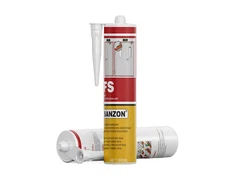


Can sealant be used on a wooden fence?
Nov 14, 2025
Leave a message
Can Sealant Be Used on a Wooden Fence?
As a sealant supplier, I often get asked whether sealant can be used on a wooden fence. This is a valid question, considering the unique characteristics of wood and the various types of sealants available in the market. In this blog post, I'll delve into the details of using sealant on wooden fences, exploring the benefits, the types of sealants suitable for the job, and how to apply them effectively.
Benefits of Using Sealant on a Wooden Fence
Using sealant on a wooden fence offers several advantages. First and foremost, it provides protection against the elements. Wood is a natural material that can be easily damaged by moisture, sunlight, and extreme temperatures. Moisture can cause the wood to rot, warp, and split, while sunlight can fade the color and weaken the structure. A good sealant acts as a barrier, preventing water from seeping into the wood and protecting it from UV rays.
Secondly, sealant can enhance the appearance of the wooden fence. It can give the wood a smooth, finished look and can even be used to change the color of the fence. Some sealants come in a variety of colors, allowing you to customize the appearance of your fence to match your home's exterior.
Finally, using sealant on a wooden fence can increase its lifespan. By protecting the wood from damage, you can prevent costly repairs and replacements in the long run. A well-sealed wooden fence can last for many years, providing a durable and attractive boundary for your property.
Types of Sealants Suitable for Wooden Fences
There are several types of sealants that can be used on wooden fences, each with its own unique properties and benefits.


1. Silicone Sealant
Silicone sealants are known for their excellent weather resistance and flexibility. They can withstand extreme temperatures and are highly resistant to water, making them a great choice for outdoor applications like wooden fences. High Quality Weatherproof Silicone Sealant is a prime example of a silicone sealant that can provide long-lasting protection for your wooden fence. It forms a strong, flexible bond that can expand and contract with the wood as it is affected by temperature and humidity changes.
2. Acrylic Sealant
Acrylic sealants are another popular choice for wooden fences. They are easy to apply and clean up, and they dry quickly. Acrylic sealants also offer good UV resistance, which helps to prevent the wood from fading. They are available in both clear and colored options, allowing you to choose the one that best suits your needs.
3. Polyurethane Sealant
Polyurethane sealants are known for their high strength and durability. They can provide excellent protection against water, chemicals, and abrasion. Polyurethane sealants are also flexible, which means they can move with the wood without cracking or peeling. PU Foam is a type of polyurethane sealant that can be used to fill gaps and cracks in the wooden fence, providing additional protection and stability.
4. Door and Window Sealant
Although designed primarily for doors and windows, Door and Window Sealant can also be used on wooden fences. These sealants are typically made of high-quality materials that offer good adhesion and weather resistance. They can be used to seal joints and gaps in the fence, preventing water and air from entering.
How to Apply Sealant on a Wooden Fence
Applying sealant on a wooden fence requires careful preparation and the right technique. Here are the steps to follow:
1. Prepare the Fence
Before applying the sealant, you need to prepare the fence surface. Start by cleaning the fence to remove any dirt, debris, or loose paint. You can use a pressure washer or a scrub brush and a mild detergent. Once the fence is clean, let it dry completely.
Next, sand the fence to smooth out any rough areas and to open up the pores of the wood. This will help the sealant to penetrate the wood more effectively. Use a medium-grit sandpaper and sand in the direction of the wood grain.
2. Choose the Right Sealant
Select the type of sealant that is best suited for your wooden fence. Consider factors such as the climate in your area, the condition of the wood, and the desired appearance of the fence. Read the product label carefully to ensure that the sealant is suitable for outdoor use and for the type of wood you have.
3. Apply the Sealant
Use a brush, roller, or sprayer to apply the sealant to the fence. Start at the top of the fence and work your way down, applying the sealant evenly in the direction of the wood grain. Make sure to cover all surfaces of the fence, including the sides and the ends of the boards.
If you are using a brush or roller, apply the sealant in thin, even coats. Avoid applying too much sealant at once, as this can cause drips and uneven drying. If you are using a sprayer, follow the manufacturer's instructions for proper use.
4. Let the Sealant Dry
Allow the sealant to dry completely before exposing the fence to water or other elements. The drying time will depend on the type of sealant you are using and the weather conditions. In general, it can take anywhere from a few hours to a few days for the sealant to dry completely.
5. Apply Additional Coats (Optional)
Depending on the type of sealant and the condition of the wood, you may need to apply additional coats of sealant for maximum protection. Follow the manufacturer's instructions for the recommended number of coats and the drying time between coats.
Considerations and Precautions
When using sealant on a wooden fence, there are a few considerations and precautions to keep in mind:
- Ventilation: Make sure to work in a well-ventilated area when applying the sealant. Some sealants can emit strong fumes, which can be harmful if inhaled.
- Safety Gear: Wear appropriate safety gear, such as gloves and goggles, to protect your skin and eyes from the sealant.
- Compatibility: Ensure that the sealant you choose is compatible with the type of wood you have. Some sealants may not adhere well to certain types of wood or may cause discoloration.
- Maintenance: Regularly inspect the fence to check for any signs of damage or wear. If the sealant starts to crack or peel, reapply it as needed to maintain the protection of the wood.
Conclusion
In conclusion, sealant can be used on a wooden fence to provide protection, enhance the appearance, and increase the lifespan of the fence. By choosing the right type of sealant and following the proper application techniques, you can ensure that your wooden fence remains in good condition for many years to come.
If you are interested in purchasing high-quality sealants for your wooden fence or have any questions about our products, please feel free to contact us for a procurement discussion. We are here to help you find the best sealant solutions for your needs.
References
- "Wood Finishes and Sealants: A Guide to Protecting Your Wood." Woodworking Network.
- "Sealants for Outdoor Wood Projects." This Old House.
- Product manuals and technical data sheets from sealant manufacturers.
Send Inquiry