

Can I use sealant on plastic?
Dec 22, 2025
Leave a message
Can I Use Sealant on Plastic?
As a sealant supplier, I often receive inquiries from customers about using sealants on plastic materials. The question “Can I use sealant on plastic?” is not a straightforward one, as it depends on several factors. In this blog post, I will delve into the details of using sealants on plastic, including the types of sealants suitable for plastic, the considerations, and some practical tips.
Understanding Plastic and Sealants
Plastic is a diverse group of materials with a wide range of properties. Different plastics have different chemical compositions, surface energies, and levels of flexibility. Some common types of plastic include polyethylene (PE), polypropylene (PP), polyvinyl chloride (PVC), and acrylonitrile butadiene styrene (ABS). Each type of plastic may react differently to sealants.
Sealants, on the other hand, are materials used to prevent the passage of fluids, gases, or dust by filling gaps and joints. They come in various types, such as silicone, polyurethane, acrylic, and MS Polymer Sealant. Each type of sealant has its own set of properties, including adhesion, flexibility, durability, and chemical resistance.
Types of Sealants Suitable for Plastic
-
Silicone Sealants
Silicone sealants are known for their excellent flexibility, weather resistance, and adhesion to a wide range of materials, including some plastics. They can withstand high and low temperatures, making them suitable for both indoor and outdoor applications. However, not all plastics are compatible with silicone sealants. For example, silicone sealants may not adhere well to polypropylene and polyethylene due to their low surface energy.
-
Polyurethane Sealants
Polyurethane sealants offer good adhesion, flexibility, and durability. They can bond well to many types of plastic, especially those with higher surface energy. Polyurethane sealants are also resistant to abrasion and chemicals, making them suitable for applications where the sealant may be exposed to harsh environments. However, they may require proper surface preparation to ensure good adhesion. -
Acrylic Sealants
Acrylic sealants are water-based and offer good adhesion to plastics. They are easy to apply and clean up, and they dry quickly. Acrylic sealants are generally less expensive than silicone and polyurethane sealants, but they may not be as flexible or durable in extreme conditions. -
MS Polymer Sealant
MS Polymer Sealants are a relatively new type of sealant that combines the advantages of silicone and polyurethane sealants. They offer excellent adhesion to a wide range of plastics, including polypropylene and polyethylene. MS Polymer Sealants are also resistant to weathering, UV radiation, and chemicals, and they have good flexibility and durability.
Considerations When Using Sealant on Plastic
-
Surface Preparation
Proper surface preparation is crucial for achieving good adhesion between the sealant and the plastic. The surface of the plastic should be clean, dry, and free of any contaminants, such as grease, oil, dust, or mold release agents. If necessary, the plastic surface can be cleaned with a mild detergent and water, followed by a rinse and thorough drying. In some cases, sanding the surface lightly can increase the surface area and improve adhesion. -
Compatibility Testing
Before applying the sealant to the entire plastic surface, it is recommended to perform a compatibility test on a small, inconspicuous area. Apply a small amount of the sealant to the plastic and allow it to cure according to the manufacturer's instructions. Check the adhesion, flexibility, and appearance of the sealant after curing. If the sealant does not adhere well or causes any damage to the plastic, do not use it on the entire surface. -
Environmental Conditions
The environmental conditions during application and curing can affect the performance of the sealant. Most sealants require a certain temperature and humidity range for proper curing. For example, silicone sealants generally cure faster in warmer and more humid conditions, while polyurethane sealants may require a dry environment. It is important to follow the manufacturer's instructions regarding the recommended environmental conditions for application and curing. -
Application Method
The application method can also affect the performance of the sealant. Make sure to apply the sealant evenly and in the correct amount. Use a caulking gun or other appropriate tools to apply the sealant, and smooth it out with a putty knife or a similar tool. Avoid applying too much sealant, as this can lead to excessive squeezing out and a messy appearance.
Practical Tips for Using Sealant on Plastic
-
Choose the Right Sealant
Based on the type of plastic and the specific application requirements, choose the most suitable sealant. Consider factors such as adhesion, flexibility, durability, and chemical resistance. If you are unsure which sealant to use, consult with a professional or the sealant manufacturer. -
Follow the Manufacturer's Instructions
Always follow the manufacturer's instructions regarding surface preparation, application, curing, and safety precautions. The instructions will provide important information on how to achieve the best results and ensure the long-term performance of the sealant. -
Allow Sufficient Curing Time
Sealants need time to cure properly. Do not subject the sealed area to stress or movement until the sealant has fully cured. The curing time can vary depending on the type of sealant, environmental conditions, and the thickness of the sealant layer. -
Maintain the Sealed Area
Regularly inspect the sealed area for any signs of damage or deterioration. If necessary, repair or replace the sealant to ensure the continued effectiveness of the seal.
Case Studies
Let's take a look at some real-world examples of using sealants on plastic.
-
Automotive Industry
In the automotive industry, sealants are used to seal plastic components, such as headlights, taillights, and interior trim. HIGH TACK Sealant is often used to bond plastic parts together due to its strong adhesion and flexibility. The sealant helps to prevent water, dust, and noise from entering the vehicle, and it also provides a decorative finish. -
Construction Industry
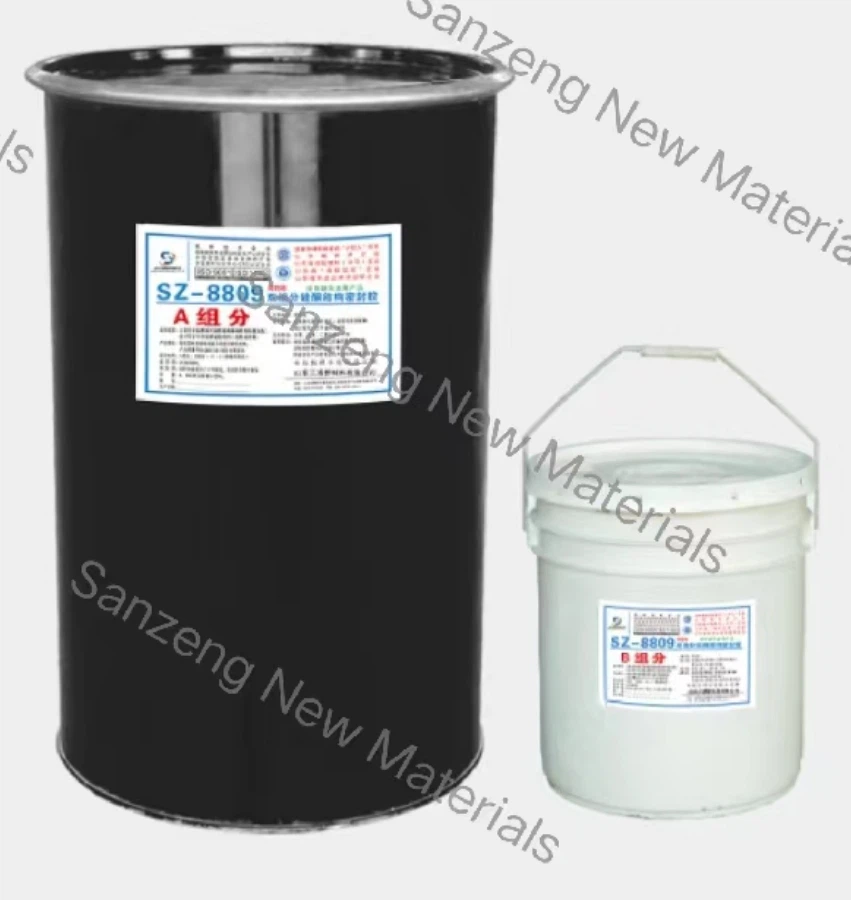
In the construction industry, sealants are used to seal joints and gaps in plastic windows, doors, and roofing materials. Two-component Silicone Structural Adhesive is commonly used for structural applications where high strength and durability are required. The adhesive can bond plastic components together securely, ensuring the integrity of the structure.
Conclusion
In conclusion, it is possible to use sealant on plastic, but it is important to choose the right type of sealant and follow the proper procedures. Consider the type of plastic, the application requirements, and the environmental conditions when selecting a sealant. Proper surface preparation, compatibility testing, and application techniques are essential for achieving good adhesion and long-term performance.
If you have any questions about using sealants on plastic or need help selecting the right sealant for your application, please feel free to contact us. We are a professional sealant supplier, and we are committed to providing high-quality sealants and excellent customer service. Whether you are a DIY enthusiast or a professional contractor, we can offer you the right sealant solutions for your needs. Contact us today to start a discussion about your sealant requirements and explore the possibilities of using our products in your projects.
References
- ASTM International. (Year). Standard test methods for evaluating the adhesion of sealants to substrates.
- Sealant Manufacturers Association. (Year). Technical guide to sealant selection and application.
- Plastic Industry Association. (Year). Properties and applications of different types of plastic.
Send Inquiry