

Does MS Polymer Sealant shrink after curing?
Dec 22, 2025
Leave a message
As a supplier of MS Polymer Sealant, I often encounter questions from customers regarding the performance of our products. One of the most frequently asked questions is whether MS Polymer Sealant shrinks after curing. In this blog post, I will delve into this topic, exploring the factors that influence shrinkage and providing insights based on scientific knowledge and our practical experience.
Understanding MS Polymer Sealant
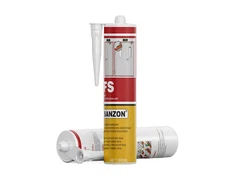
MS Polymer Sealant is a type of elastic sealant that has gained popularity in various industries due to its excellent properties. It is based on modified silicone polymers, which offer a combination of advantages such as good adhesion, weather resistance, and flexibility. These sealants are commonly used in construction, automotive, and marine applications to seal joints, gaps, and cracks, preventing the ingress of water, air, and dust.
The Concept of Shrinkage in Sealants
Shrinkage in sealants refers to the reduction in volume that occurs during the curing process. When a sealant is applied, it is in a liquid or semi - liquid state. As it cures, chemical reactions take place, and the sealant transitions from a soft, malleable material to a solid state. This transformation can lead to a decrease in volume, which may have implications for the performance of the sealant.
Factors Affecting Shrinkage
1. Chemical Composition
The chemical formulation of the MS Polymer Sealant plays a crucial role in determining its shrinkage behavior. Different polymers and additives can have varying degrees of reactivity and volume change during curing. For example, some polymers may undergo more significant cross - linking reactions, which can result in greater shrinkage. At our company, we carefully select the raw materials and optimize the formulation to minimize shrinkage while maintaining other important properties.

2. Curing Conditions
The environment in which the sealant cures also affects shrinkage. Temperature and humidity are two key factors. Higher temperatures generally accelerate the curing process, but they can also increase the rate of shrinkage. Similarly, low humidity can cause the sealant to dry out more quickly, leading to greater shrinkage. On the other hand, if the curing conditions are too cold or too humid, the curing process may be delayed, and the sealant may not achieve its optimal properties.
3. Application Thickness
The thickness of the sealant layer applied can impact shrinkage. A thicker layer of sealant will generally experience more shrinkage compared to a thinner layer. This is because there is more material undergoing the curing process, and the internal stresses within the thicker layer can cause greater volume reduction. It is important to follow the recommended application thickness guidelines to minimize shrinkage issues.
Shrinkage Performance of MS Polymer Sealant
In general, MS Polymer Sealants are known for their relatively low shrinkage compared to some other types of sealants, such as certain acrylic or polyurethane sealants. Our MS Polymer Sealants are formulated to have minimal shrinkage, typically within an acceptable range of less than 2% volume reduction after curing. This low shrinkage property is one of the reasons why they are preferred in applications where dimensional stability is crucial.
Testing and Quality Control
To ensure the quality and performance of our MS Polymer Sealants, we conduct rigorous testing. We measure shrinkage using standardized methods, such as the ISO or ASTM test procedures. These tests involve applying the sealant to a specific mold and measuring its dimensions before and after curing. By monitoring the shrinkage rate, we can make adjustments to the formulation and manufacturing process to maintain consistent performance.
Applications and Shrinkage Considerations
Construction Applications
In construction, MS Polymer Sealants are widely used for sealing joints in buildings, such as expansion joints, window perimeters, and roofing systems. Low shrinkage is essential in these applications to prevent gaps from forming over time, which could lead to water leakage or air infiltration. Our HIGH TACK Sealant is specifically designed for construction joints, offering excellent adhesion and low shrinkage to ensure long - term performance.
Kitchen and Bathroom Applications
In kitchens and bathrooms, where moisture and mold growth are common concerns, our Anti - mildew Sealant for Kitchen and Bathroom is a popular choice. The low shrinkage of this sealant helps to maintain a tight seal around sinks, bathtubs, and showers, preventing water from seeping into the surrounding areas and reducing the risk of mold growth.
Automotive and Marine Applications
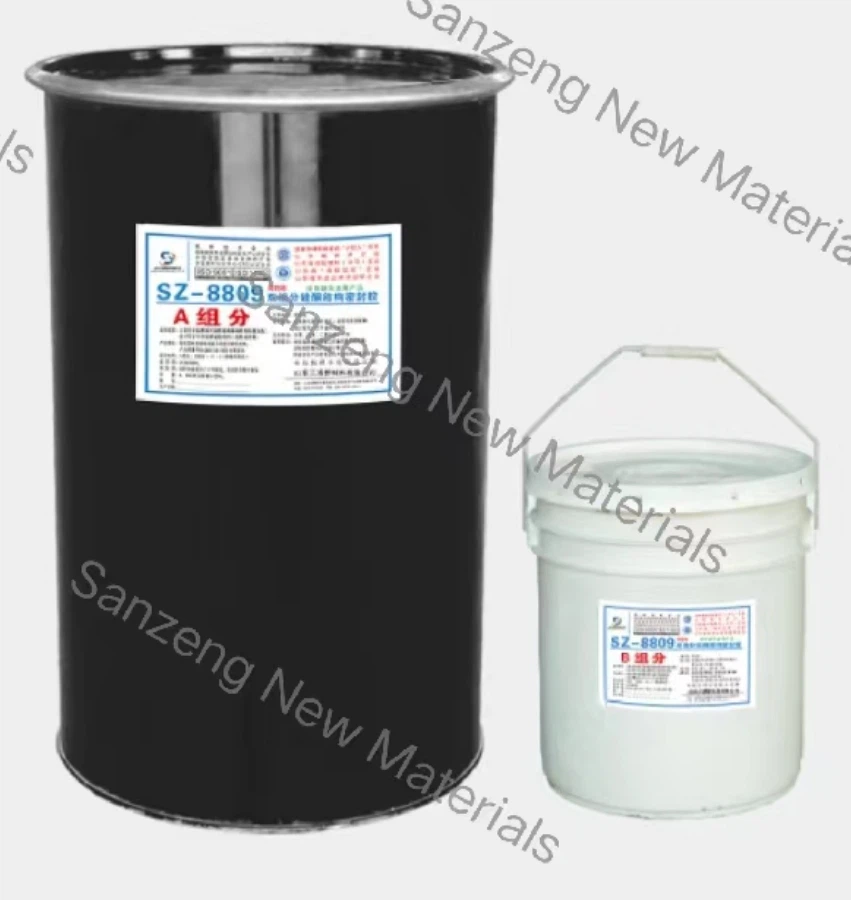
In automotive and marine applications, MS Polymer Sealants are used for sealing body panels, windshields, and hatches. The low shrinkage property ensures that the sealant maintains its integrity even under the vibrations and temperature changes experienced in these environments. Our Two - component Silicone Structural Adhesive is suitable for high - stress automotive and marine applications, providing strong bonding and low shrinkage.
Conclusion
In conclusion, while MS Polymer Sealants do experience some shrinkage during curing, it is generally minimal compared to other sealant types. By carefully controlling the chemical composition, curing conditions, and application thickness, we can ensure that our MS Polymer Sealants offer excellent performance with low shrinkage. This makes them a reliable choice for a wide range of applications where dimensional stability and long - term sealing are required.
If you are interested in learning more about our MS Polymer Sealants or have specific requirements for your project, we invite you to contact us for a purchase negotiation. Our team of experts is ready to provide you with detailed information and technical support to help you select the right sealant for your needs.
References
- ASTM International. "Standard Test Methods for Measuring Shrinkage of Adhesives." ASTM D905 - 17.
- ISO. "Determination of Shrinkage of Sealing Compounds." ISO 11402:2004.
- Technical literature on MS Polymer Sealants from industry associations and manufacturers.
Send Inquiry