



What Bulk Buyers Should Check Before Ordering Silicone Sealant
Oct 16, 2026
Leave a message
Define the market and application
A successful silicone sealant order starts with a clear use case. A distributor serving bathroom renovation has different needs from a contractor sealing exterior window perimeters. Identify the main substrates, exposure and installation method before comparing quotations. This prevents a low priced general purpose product from being evaluated against a specialized grade with different capabilities.
Request useful technical documents
Ask for the current technical data sheet and safety data sheet for the exact product offered. Review intended applications, limitations, preparation instructions and curing conditions. If a project or destination market requires a particular classification or test, request evidence linked to that grade. A certificate for another formulation or a general factory brochure does not establish the performance of the cartridge being purchased.
Evaluate samples consistently
Use the same substrates, joint dimensions and application conditions when comparing samples. Record extrusion behavior, tooling time, cured appearance and adhesion using an agreed method. Allow the stated curing period before assessment. Visual smoothness alone cannot establish long term performance. For important projects, agree the required testing and acceptance criteria with the responsible technical team before placing the production order.
Check packaging and shelf life
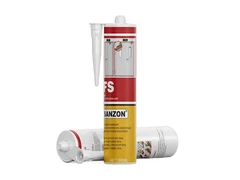
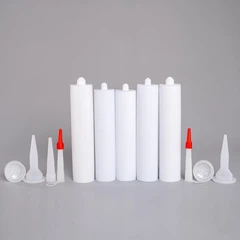
Confirm cartridge or sausage format, nominal fill quantity, nozzle supply and carton arrangement. Review label language, batch identification and storage instructions. Ask how much shelf life will remain at dispatch and on expected arrival. Transit time and warehouse conditions can affect usable inventory. Choose order quantities around realistic sales or installation schedules rather than treating a larger shipment as automatically better value.
Put customization in writing
For private label supply, approve the artwork, product name, color references and required warnings before production. Clarify minimum order quantities for each color and packaging version, along with lead time and sample approval stages. Any claims such as food contact suitability, fire performance or specialized weathering capability need product specific support. Keep an approved reference sample and a written specification that can be used for later deliveries.
Compare the complete delivered offer
Unit price is only one part of purchasing cost. Include freight, packaging, storage, expected wastage and the practical support needed by installers. Agree how batch questions, damaged cartons and performance concerns will be handled. A supplier should be able to connect the delivered batch with the approved grade and documentation. Send your application, destination, packaging needs and forecast volume when requesting a quotation. Clear information makes proposals easier to compare and helps build a repeatable supply arrangement rather than a one time purchase based on incomplete assumptions.
Send Inquiry