


Estimating Silicone Sealant Quantities From Joint Dimensions
Oct 27, 2026
Leave a message
Measure the joint that will be filled
Sealant consumption depends on the finished cross section and total joint length. Begin with the approved joint design, then measure representative installed gaps. Separate different sizes instead of using one convenient average across the project. Include corners and short return sections in the takeoff. A realistic estimate starts with the space occupied by sealant, not the visible width alone.
Use a simple metric volume calculation
For an ideal rectangular section, required volume in milliliters equals joint width in millimeters multiplied by depth in millimeters multiplied by length in meters. The unit conversion works because one meter contains 1000 millimeters and one milliliter equals 1000 cubic millimeters. This calculation estimates volume only. It does not establish suitable dimensions for a moving joint or replace the selected manufacturer's joint design instructions.
Work through a clear example
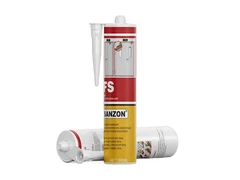
Assume an approved rectangular joint is 10 mm wide, 6 mm deep and 50 m long. Its theoretical volume is 10 × 6 × 50 = 3000 mL. With a nominal 300 mL cartridge, the ideal requirement is 10 cartridges before allowances. These are example dimensions and packaging, not a product recommendation. Concave tooling, backing shape and variable gaps can change the real cross section and therefore the quantity used.
Add an allowance based on the work
Account for material left in nozzles, start and stop losses, tooling waste and measured variation in the gaps. There is no single waste percentage that fits every installation. If the estimator assumes a 15 percent allowance for this example, 3000 mL becomes 3450 mL. Dividing by 300 mL gives 11.5 cartridges, rounded up to 12. The allowance is a planning assumption to verify against site experience.
Keep quantities separate from package logistics
Calculate each joint group independently and check the actual declared volume of the selected pack. Then consider carton quantities, color splits and sensible reserve stock. Avoid buying excessive surplus simply to simplify arithmetic, especially when installation is phased. Shelf life, storage requirements and delivery timing still matter. A small trial run can provide actual consumption data before committing the estimate for a much larger area.
Update the estimate as installation proceeds
Compare completed length and actual material use with the planned figures. Unexpected consumption may indicate wider gaps, incorrect depth, excessive waste or a missed takeoff item. Investigate the cause rather than reducing the bead below its approved dimensions. When requesting a quotation, provide joint groups, lengths, colors and pack preferences. A transparent quantity schedule makes deliveries easier to coordinate and gives buyers a useful basis for comparing material requirements. Keep the original measurements and assumptions with the estimate, allowing another team member to update the order when the site dimensions change.
Send Inquiry