

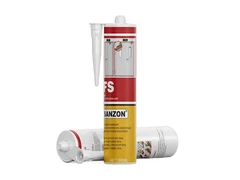



Silicone Sealant For Precast Concrete Joints Requires Sound Edges
Oct 27, 2026
Leave a message
Read the joint as part of the panel system
Precast concrete construction places repeated joints between large manufactured elements. These interfaces may need to accommodate movement while contributing to the building's weather protection. Silicone products designed for concrete joint work can suit selected details, but the choice depends on the panel system and exposure. Establish the function of the joint before comparing sealant colors or package sizes.
Check the concrete bonding zone
The visible panel face may look sound while the narrow joint edge carries dust, release agent, weak laitance or damage. Inspect the surfaces that will actually receive sealant. Confirm the preparation method with the supplier and remove material that prevents reliable bonding. Any repairs must create a compatible, stable base and reach the required condition before sealing. Primer cannot turn a friable edge into sound concrete.
Account for panel tolerances
Installed gaps may vary from the design drawings because of manufacturing and erection tolerances. Measure representative joints and investigate locations outside the approved range. The designer should relate expected movement to the chosen sealant's documented capability and joint geometry. Making a narrow joint look wider at the face does not correct the underlying movement demand. Agree corrective details where the actual opening is unsuitable.
Control depth and backing
Use the backing material or bond breaker required by the approved system. Its purpose includes controlling depth and avoiding unwanted restraint at the back of the sealant. Select a size and installation method that keeps the backing in place without damaging it. Corners and intersections deserve particular care because changing geometry can leave voids or excessive material depth. Follow the product's instructions instead of applying a single width to depth rule to every grade.
Coordinate with the envelope design
The outer joint may be only one part of a drained or pressure managed wall. Preserve the specified drainage, vents and inner seals. Apply material under approved conditions and maintain contact with the prepared joint faces during tooling. Check adhesion through the agreed trial and quality procedures. Do not promise that a general concrete joint sealant provides fire resistance or structural panel support without the required system evidence.
Build a usable inspection record
Record panel locations, preparation, primers if used, sealant batches and relevant installation conditions. During maintenance, distinguish joint damage from cracks or water paths elsewhere in the panels. Buyers should provide the concrete finish, joint measurements and project performance requirements when asking for a sample. That information helps turn a generic silicone inquiry into a technically defined sealing proposal for the actual precast system. Coordinate access with panel erection and other trades so prepared joints are not contaminated or obstructed before the sealing crew returns.
Send Inquiry