



The Do's And Don'ts Of Working With Silicone Adhesives
Apr 13, 2026
Leave a message
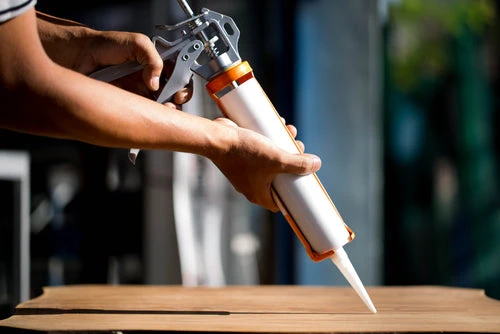
If you have ever worked in an industrial environment, chances are you have encountered silicone adhesives and sealants. These versatile products possess a range of properties to cater to various application requirements.
Silicone adhesives and sealants are derived from silica, the sand present in quartz. Silicone adhesives are used to bond two substrates together, whereas silicone sealants are designed for filling gaps or joints.
Unlike certain other adhesive types, silicone adhesives require curing or complete drying. This process can make working with these products somewhat more demanding and time-intensive.
How Long Does Silicone Take to Dry?
The duration required for silicone to cure and dry depends on several factors. The initial dry time for silicone may be as short as 30 minutes to an hour, but at this stage, the silicone is only dry to the touch. The full curing period for silicone typically lasts around 24 hours, though it can sometimes take several days.
When working with these products, it is crucial to take the silicone curing time into consideration to ensure a complete cure.
Do's of Using Silicone Adhesives and Sealants
When working with silicone adhesives and sealants, there are several important points to keep in mind. Particularly since you need to pay attention to the silicone curing process, these tips can help you maximize the effectiveness of silicone adhesives and sealants.
Do Use a Primer
Bonding primers are beneficial because they assist sealants in adhering to your selected surface and achieving their maximum bond strength. Primers can be applied using a brush, cloth, or spray gun. Always refer to the product's preparation and application instructions for optimal results.
Do Consider the Shelf Life
The shelf life of silicone can be particularly short in hot and humid conditions. Storing silicone adhesives in cooler, drier environments may help prolong their shelf life, but they will not last indefinitely. Avoid opening packages until you are ready to use the product. Always check the product's shelf life before placing an order to prevent waste.
Do Prep Your Substrates
For the best outcomes, you should prepare your substrates in accordance with the manufacturer's recommendations. This process may include cleaning the substrates and wiping them down with isopropanol. Always ensure the substrates are completely dry before applying the adhesive.
Do Use Pressure
In some cases, such as when bonding metal, applying pressure is necessary to ensure the strongest possible bond. A vise or clamp can hold the pieces together with steady pressure, allowing the adhesive to bond properly. Wait the recommended amount of time before removing the clamp and give the adhesive sufficient time to dry. Do not rush the process, as this can lead to problems.
Do Apply Carefully
Removing silicone sealant is no easy feat. The only way to remove silicone sealant is through mechanical methods, such as using a cheese wire, sharp knife, or sander. Therefore, always be careful to apply it in the correct location before dispensing the product.
Don'ts of Using Silicone Adhesives and Sealants
While there are many things you should do when working with silicone sealants and adhesives, there are also several things you should avoid.
Don't Choose a Product Without Research
Before using a silicone adhesive or sealant for your project, you should check the materials you will be working with. There are adhesives specifically formulated for certain materials. Ensure you select the right silicone for your project.
For example, the ASI 335 neutral cure silicone is ideal for industrial applications involving engines, oil pans, or transmissions. For gluing steel, aluminum, brass, mortar, granite, marble, wood, and many plastics, the ASI 57 modified polyurethane sealant is an excellent choice.
Don't Ignore the Expiration Date
Make sure the silicone adhesive or sealant you are using has not expired. This is a small detail that is easily overlooked. Once these products pass their expiration date, they undergo minor changes that not only make them more difficult to work with but also compromise the quality of the final result.
Don't Neglect Surface Prep
If there is any dirt, oil, grease, or other residues on the surfaces you are working with, you will struggle to form a strong, reliable bond. Ensure you clean the surfaces thoroughly according to the manufacturer's recommendations and let them dry before proceeding with your work.
Don't Forget to Read the Instructions
There are various types of silicone sealants and adhesives, each with slightly different instructions. They have different curing times, surface preparation requirements, and substrate recommendations. Some may also need to be mixed with other substances before use. Always read the instructions carefully and follow them exactly to avoid issues.
Send Inquiry