



Maintenance Matters: How To Tell If Your Sealant Needs Replacing (Before Water Damage Ruins Your Home)
Mar 21, 2026
Leave a message
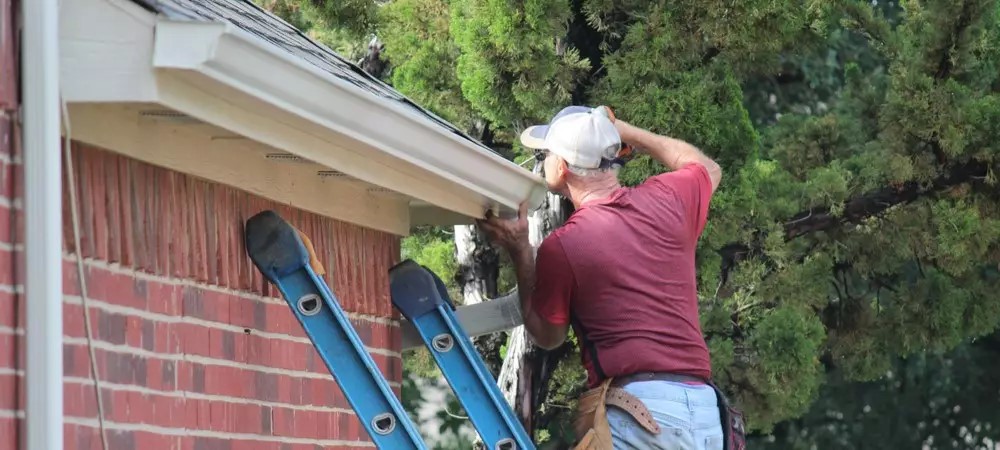
We tend to ignore sealant until something goes wrong. By then, water may have already penetrated walls, rotted subfloors, or attracted pests. A failed seal doesn't always announce itself with a visible leak-sometimes the damage happens quietly behind the scenes.
Regular sealant inspection is one of the cheapest forms of home maintenance. In this guide, I'll show you exactly what to look for and when to replace failing sealant.
Why Sealant Failure Matters
Sealants are your home's first line of defense against water intrusion. When they fail:
- Water seeps behind tile, causing mold growth
- Window frames rot and require expensive replacement
- Exterior siding deteriorates
- Insect infestations find entry points
- Energy bills rise due to air leaks
Replacing a $10 tube of sealant can prevent a $5,000 repair bill.
5 Signs Your Sealant Needs Replacing
Walk through your home every six months and check for these five warning signs.
1. Cracking
Cracks in sealant indicate that it has lost its flexibility. This is common in acrylic sealants exposed to movement or temperature changes.
What to do:
Remove the cracked sealant and replace with a flexible sealant appropriate for the location. For areas with significant movement, choose 100% silicone or hybrid polymer.
2. Shrinking or Pulling Away
If you see gaps between the sealant and the surface (tile, tub, window frame), the seal is broken. Water will find its way through those gaps.
What to do:
Complete removal and replacement is necessary. Surface preparation is especially important-old residue prevents new sealant from adhering properly.
3. Discoloration (Yellowing or Black Spots)
Yellowing is common with lower‑quality sealants exposed to sunlight. Black or dark spots indicate mold or mildew growth. While some mold sits on the surface, extensive growth often means the sealant's structure has been compromised.
What to do:
If mold is surface‑level, clean with a bleach solution and monitor. If mold has penetrated the sealant or if discoloration is widespread, replace the sealant with a mold‑resistant silicone formula.
4. Visible Water Stains or Soft Surfaces Nearby
Water doesn't always leak visibly through sealant. Sometimes it travels behind surfaces. Look for:
- Peeling paint or bubbling wallpaper near windows or tubs
- Soft or spongy drywall
- Musty odors
- Stains on ceilings below bathrooms
What to do:
If you see these signs, the seal has likely failed. Replace the sealant immediately, and assess for any hidden damage.
5. Persistent Odors
A musty, damp smell near windows, showers, or exterior doors often points to trapped moisture from failed seals.
What to do:
Investigate the nearest sealant joints. Even if they look intact, consider removing a small section to check for moisture behind.
Inspection Checklist by Area
Use this checklist twice a year (spring and fall):
| Area | What to Check |
| Bathroom tub/shower | Gaps, mold, loose edges |
| Kitchen sink | Cracks behind faucet base |
| Windows (interior) | Drafts, condensation between panes |
| Windows (exterior) | Cracks, pulling away from frame |
| Doors (exterior) | Gaps around frame, cracked sealant |
| Baseboards | Separation from wall |
When to Repair vs. Replace
- Spot repair: If a small section has failed but the rest is intact, you can remove just that portion and patch. However, patching silicone is difficult; complete removal is often simpler and more reliable.
- Complete replacement: If sealant shows any of the signs above and is more than 5 years old, replace the entire bead for consistent performance.
Choose Quality the First Time
Not all sealants are created equal. A low‑cost sealant may fail in 1–2 years, while a premium product can last 15–20 years. The labor is the same regardless of product quality-invest in a sealant that lasts.
Don't Wait Until It's Too Late
A failed seal won't fix itself. The longer you wait, the more water can travel-and the more expensive the eventual repair becomes.
Take 20 minutes this weekend to inspect your home's seals. If you spot any issues, address them now.
Ready to tackle failing seals? Shop our replacement‑ready sealant collection with fast shipping and DIY‑friendly guides.
Send Inquiry