



DIY: How To Re‑Caulk A Bathtub in 4 Simple Steps (Save $200 On Plumber Fees)
Mar 21, 2026
Leave a message

A cracked, moldy, or peeling bathtub seal isn't just unsightly-it's a direct path to water damage, wood rot, and costly repairs. The good news? Re‑caulking a bathtub is one of the easiest DIY projects that delivers immediate visual and functional results.
Hiring a plumber or handyman can cost $150 to $300 for this job. With the right materials and an hour of your time, you can do it yourself for a fraction of the cost.
Here's exactly how.
Tools & Materials You'll Need
Before you start, gather everything:
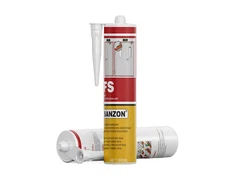
- 100% silicone sealant (bathroom grade, mold-resistant)
- Caulk gun
- Painter's tape
-Utility knife or sealant removal tool
- Isopropyl alcohol or sealant remover
- Clean rags or paper towels
- Plastic smoothing tool (or your finger + dish soap)
- Rubber gloves
Step 1: Remove the Old Sealant
Old sealant must be completely removed. New sealant will not bond to old material.
- Use a utility knife or dedicated sealant removal tool to cut through the old bead.
- Scrape away all residue. If the old sealant is silicone, it may come off in long strips.
- For stubborn spots, use a chemical sealant remover following product instructions.
- After removal, wipe the area with isopropyl alcohol to eliminate soap scum, oils, and mold spores.
Key tip: The surfaces (tile and tub) must be completely clean and dry before moving to Step 2.
Step 2: Apply Painter's Tape for Clean Lines
Professional results depend on masking.
- Apply painter's tape along the tile edge and along the tub edge, leaving a gap exactly the width of the joint (typically 1/8 to 1/4 inch).
- Press the tape edges firmly to prevent sealant from bleeding underneath.
- This step takes a few extra minutes but guarantees a straight, professional finish.
Step 3: Apply the Sealant
Load your sealant tube into the caulk gun and cut the nozzle at a 45‑degree angle. The opening should be slightly smaller than your joint width.
- Insert the nozzle into the joint and apply steady, even pressure.
- Move the gun at a consistent speed. Aim to fill the joint slightly fuller than needed-it's easier to remove excess than to add more.
- Work in continuous lengths as much as possible to avoid gaps.
Step 4: Smooth and Remove Tape
Smoothing is what transforms a messy bead into a professional finish.
- Dip your finger or plastic smoothing tool in a mixture of water and a few drops of dish soap.
- Gently drag the tool along the bead, pressing the sealant into the joint and wiping away excess.
Immediately remove the painter's tape while the sealant is still wet-do not let it skin over.
- Inspect the bead for any missed spots and touch up if needed.
Cure Time: The Most Important Wait
After application, do not use the shower or tub for at least 24 hours. Check your sealant's label; some products require up to 72 hours for full cure.
If you expose the sealant to water too soon, it will fail within weeks. This is the most common reason DIY re‑caulking jobs don't last.
Troubleshooting: What If It Doesn't Look Perfect?
If your first attempt isn't magazine‑perfect, don't be discouraged. Sealant is forgiving:
- If the bead is uneven, you can smooth it again within a few minutes.
- If tape removal pulls up some sealant, quickly re‑smooth that section.
- If the result is unsatisfactory after curing, the bead can be cut out and redone.
Most professionals didn't get perfect results their first time either.
How Long Will a Properly Applied Sealant Last?
With high‑quality 100% silicone sealant and proper surface preparation, your bathtub seal should last **10 to 20 years**. The only maintenance is occasional cleaning with non‑abrasive products to prevent mold buildup.
Ready to Re‑Caulk?
This project is one of the highest‑value DIY improvements you can make. It protects your home, improves bathroom appearance, and costs significantly less than hiring it out.
Send Inquiry