



How Quick-Drying Silicone Sealant Reduces Glass Installation Time
Aug 26, 2026
Leave a message

Glass installation is a sequence of connected tasks: preparing frames, positioning panels, sealing joints, finishing edges, cleaning the area and moving safely to the next section. When one step slows down, the entire schedule can become less predictable. Quick-drying silicone sealant is not a shortcut around correct installation practice, but it can improve the rhythm of the work by helping freshly finished joints become tack-free sooner and by reducing the period in which the bead is vulnerable to dust, fingerprints and accidental contact.
Why curing speed affects project workflow
Fresh silicone is soft and easily disturbed. In a busy glazing environment, workers may need to move equipment, handle adjacent panels or complete follow-on work close to a newly sealed joint. A sealant with an efficient skin-forming profile helps the team protect visible joints earlier, which can make handovers between trades smoother.
It is important to separate three concepts: extrusion and tooling time, tack-free time and full cure time. The first determines how comfortably an installer can apply and finish the bead. The second indicates when the surface is less likely to pick up contamination. The third is the period required for the material to cure through its full depth and develop its designed elastic properties. A faster tack-free time can help construction flow, but it never removes the need to plan for full cure before the joint is subjected to stress or severe exposure.
Practical ways to save time on glass projects
The greatest time savings often come from process control rather than one product feature. Before sealant application, glass edges and frames should be cleaned in sequence, with the correct tools, cleaning materials and cartridges staged close to the work area. If every installer has to stop to find a nozzle, replace a dirty cloth or reopen a contaminated joint, the benefit of a quick-drying sealant is lost.
Divide large glazing areas into logical work zones. One team can prepare surfaces while another applies and tools the bead. Complete each zone before moving on, ensuring the joint is continuous and neatly finished. In visible glass displays and doors, masking can improve edge definition; remove it promptly after tooling, before the surface skins.
Quick-drying silicone sealant is especially useful for projects with repeated assemblies. Glass showcase manufacturers, aluminum window workshops and signage installers can use standardized nozzle cuts, bead sizes and finishing procedures to improve consistency. A repeatable method reduces rework, which is usually a larger hidden cost than the minutes spent applying the sealant itself.
Applications where a fast surface dry helps
On glass doors and windows, clean perimeter joints are often the final visual detail before inspection. Faster skin formation can help prevent dust from adhering to freshly completed sections, especially where different trades are working nearby. On high-end showcases, a transparent bead must remain clear and smooth; reducing the open period helps protect the finished appearance in active retail fit-out environments.
Advertising installation is another common use case. Signs, glass panels and compatible decorative assemblies are frequently installed to tight opening deadlines. A quick-drying sealant can help crews manage their sequence more efficiently, while the final application must still follow the assembly design. Sealant should never be assumed to replace specified anchors, fasteners or load-bearing adhesives.
Problems that can erase the expected time saving
The most common issue is poor preparation. Applying silicone over dust, water, oil or remnants of old sealant can cause adhesion failure, leading to removal and reapplication. This creates more delay than a standard cure profile ever would. Use clean, dry substrates and test unfamiliar materials before installation.
Another mistake is trying to rush the finishing step. Even quick-drying silicone needs to be tooled within its working time. Apply manageable bead lengths, tool them immediately and avoid overworking the surface. A blunt or dirty tool can drag the bead and create voids. A controlled continuous motion produces a cleaner result.
Cold, very dry or poorly ventilated conditions can also change curing behavior. Plan based on the actual site environment, not only laboratory values. If the sealant is stored in very cold conditions, allow it to reach a practical application temperature before use. For unusually deep joints, review the recommended depth and allow a longer curing period.
A purchasing and production perspective
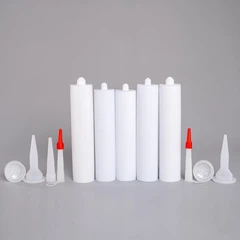
For a project buyer, installation speed is only useful when product consistency supports it across every carton. A proper evaluation should include samples from the intended formulation, trial application on the target glass and frame materials, review of the product data sheet, and confirmation of storage and shelf-life requirements. Packaging should be selected to protect cartridges during long-distance transport and to fit the customer's distribution model.
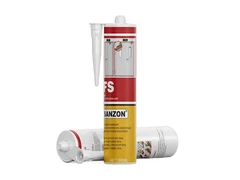
SANZENG's silicone sealant production capability is supported by standardized workshops, automated production lines and digital quality-control processes. For bulk buyers, this provides a foundation for more stable product programs, including packaging and private-label discussions where required. The most successful glass installation projects pair a suitable quick-drying product with good joint design, prepared surfaces and a disciplined workflow. That combination is what turns faster surface drying into a real reduction in project time.
Send Inquiry