




What is the material handling capacity of a semi - automatic cartridge conveying line per hour?
Dec 23, 2025
Leave a message
What is the material handling capacity of a semi-automatic cartridge conveying line per hour?
As a supplier of semi-automatic cartridge conveying lines, I often receive inquiries about the material handling capacity of these lines. The material handling capacity per hour is a crucial factor for businesses looking to optimize their production processes and increase efficiency. In this blog post, I will delve into the various aspects that determine the material handling capacity of a semi-automatic cartridge conveying line and provide you with a comprehensive understanding of this important metric.
Understanding the Basics of a Semi-automatic Cartridge Conveying Line
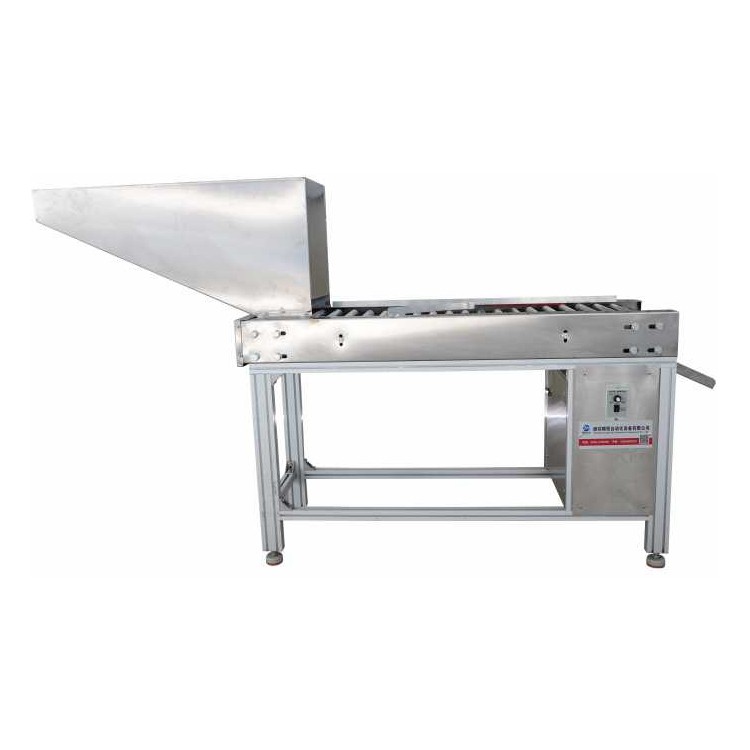
Before we discuss the material handling capacity, let's briefly understand what a semi-automatic cartridge conveying line is. A semi-automatic cartridge conveying line is a system designed to transport cartridges filled with various materials, such as sealants, adhesives, or other viscous substances, from one point to another in a production facility. This type of line typically combines manual and automated processes, where operators are involved in some tasks, like loading and unloading cartridges, while the movement of cartridges along the line is automated.
Factors Affecting the Material Handling Capacity
Several factors influence the material handling capacity of a semi-automatic cartridge conveying line per hour. Let's explore these factors in detail:
- Conveyor Speed: The speed at which the conveyor moves the cartridges is a significant determinant of the handling capacity. Faster conveyor speeds generally result in a higher number of cartridges being transported within an hour. However, the speed must be balanced with the stability and accuracy of the transport to prevent damage to the cartridges or spillage of the material inside.
- Cartridge Size and Weight: The size and weight of the cartridges being conveyed also play a crucial role. Larger and heavier cartridges may require slower conveyor speeds and more robust conveyor systems, which can limit the overall handling capacity. Additionally, the design of the conveying line must be able to accommodate the specific dimensions and weight of the cartridges to ensure smooth operation.
- Loading and Unloading Time: The time taken to load and unload cartridges onto and off the conveying line can impact the handling capacity. If the loading and unloading processes are time-consuming, it can reduce the number of cartridges that can be processed in an hour. Efficient loading and unloading mechanisms, such as automated pick-and-place systems or well-trained operators, can help minimize this time and increase the overall capacity.
- Line Configuration: The layout and configuration of the semi-automatic cartridge conveying line can affect its handling capacity. A well-designed line with minimal bends, turns, and bottlenecks allows for a more continuous and efficient flow of cartridges. Additionally, the number of parallel conveyor tracks or lanes can also increase the capacity by allowing multiple cartridges to be transported simultaneously.
- Maintenance and Downtime: The frequency and duration of maintenance and downtime can have a significant impact on the material handling capacity. Regular maintenance is essential to keep the conveying line in optimal working condition and prevent breakdowns. However, excessive maintenance or unplanned downtime can reduce the available production time and lower the overall capacity.
Calculating the Material Handling Capacity
To calculate the material handling capacity of a semi-automatic cartridge conveying line per hour, you need to consider the factors mentioned above. Here is a general formula that can be used:
Capacity (cartridges per hour) = (Conveyor speed × 60) / Cycle time per cartridge
The cycle time per cartridge includes the time taken for loading, transportation, and unloading of a single cartridge. For example, if the conveyor speed is 10 meters per minute and the cycle time per cartridge is 30 seconds, the capacity can be calculated as follows:
Capacity = (10 × 60) / 30 = 20 cartridges per hour
It's important to note that this is a simplified calculation and the actual capacity may vary depending on the specific characteristics of the conveying line and the cartridges being transported.

Real-world Examples
Let's look at a couple of real-world examples to illustrate the material handling capacity of semi-automatic cartridge conveying lines:
Example 1: A small-scale production facility uses a semi-automatic cartridge conveying line to transport sealant cartridges. The conveying line has a conveyor speed of 8 meters per minute, and the cycle time per cartridge, including loading and unloading, is 45 seconds. Using the formula mentioned above, the capacity can be calculated as:
Capacity = (8 × 60) / 45 ≈ 10.67 cartridges per hour
In this case, the facility can expect to handle approximately 10 - 11 cartridges per hour.
Example 2: A larger manufacturing plant has a more advanced semi-automatic cartridge conveying line with a conveyor speed of 15 meters per minute. The loading and unloading processes are automated, and the cycle time per cartridge is reduced to 20 seconds. The capacity calculation would be:
Capacity = (15 × 60) / 20 = 45 cartridges per hour
This plant can handle up to 45 cartridges per hour, significantly increasing their production efficiency.
Optimizing the Material Handling Capacity
To maximize the material handling capacity of a semi-automatic cartridge conveying line, businesses can take the following steps:
- Upgrade the Conveyor System: Investing in a high-speed and reliable conveyor system can significantly increase the handling capacity. Look for conveyors that are designed to handle the specific size and weight of your cartridges and offer adjustable speeds.
- Automate Loading and Unloading Processes: Implementing automated pick-and-place systems or robotic arms can reduce the loading and unloading time and improve the overall efficiency of the line. This can lead to a higher number of cartridges being processed per hour.
- Optimize the Line Configuration: Review and optimize the layout of the conveying line to minimize bends, turns, and bottlenecks. Consider adding parallel conveyor tracks or lanes to increase the throughput.
- Regular Maintenance and Monitoring: Establish a regular maintenance schedule to keep the conveying line in good working condition. Monitor the performance of the line and make adjustments as needed to ensure optimal operation.
- Employee Training: Provide comprehensive training to your operators to ensure they are proficient in using the semi-automatic cartridge conveying line. Well-trained operators can work more efficiently and reduce the chances of errors or downtime.
Related Products and Their Impact on Capacity
In addition to the semi-automatic cartridge conveying line, there are other products that can complement and enhance its material handling capacity. For instance, a 60 Ton Press Machine can be used to fill cartridges more efficiently, which can in turn increase the overall production rate. Similarly, a Double Cylinder Sealant Filling Machine can provide a continuous and high-volume filling process, enabling the conveying line to handle more cartridges per hour.
Contact Us for Your Cartridge Conveying Needs
If you are in the market for a semi-automatic cartridge conveying line or need to optimize your existing line, we are here to help. Our team of experts can provide you with customized solutions based on your specific requirements and production goals. We offer a wide range of Semi-automatic Cartridge Conveying Lines that are designed to deliver high performance and reliability. Contact us today to discuss your needs and explore how our solutions can enhance your material handling capacity.
References
- "Conveyor Systems Handbook" by John A. Allison
- "Automation in Manufacturing: Fundamentals, Modeling, and Control" by Amir Khajepour and Reza Langari
- Industry reports on material handling equipment and production efficiency
Send Inquiry