

Can I use expired structural sealants?
Dec 23, 2025
Leave a message
Hey there! As a supplier of structural sealants, I often get asked a question that's been on a lot of people's minds: "Can I use expired structural sealants?" It's a valid concern, and today, I'm gonna break it down for you.
First off, let's understand what structural sealants are. These bad boys are crucial in construction and various industrial applications. They're used to bond and seal materials, providing structural integrity and weather resistance. You can find them in everything from window installations to building facades.
Now, let's talk about expiration dates. Just like food in your fridge, structural sealants have a shelf life. The expiration date is there for a reason. It indicates the period during which the manufacturer guarantees the product will perform at its best. Once that date passes, all bets are off.
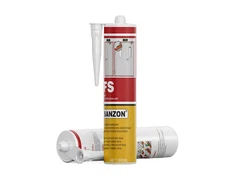
One of the main reasons why using expired sealants is a no - no is the change in chemical properties. Over time, the components in the sealant start to break down. This can lead to a loss of adhesion. You know, that stickiness that holds everything together? Yeah, it can go away. Imagine using a Clear Nail-free Glue that's past its prime. It might not stick as well as it should, and that can cause serious problems in a structural application.
Another issue is the change in consistency. Expired sealants can become thicker or thinner than they're supposed to be. A thickened sealant might be difficult to apply evenly, and you could end up with gaps or weak spots in your seal. On the other hand, a thinner sealant might not hold its shape, and it won't provide the right amount of support.


Weather resistance is also a big deal. Structural sealants are designed to withstand all kinds of weather conditions, from scorching heat to freezing cold. But when a sealant is expired, its ability to resist these elements can be severely compromised. Water can seep through, causing damage to the structure over time. This is especially important in areas with high humidity or frequent rainfall.
Let's take a look at some specific types of sealants. HIGH TACK Sealant is known for its strong adhesion. But once it's expired, that high tack might become low tack, and you'll be left with a sealant that doesn't do its job properly. Similarly, Polyurethane Sealants for Construction are used for their flexibility and durability. An expired polyurethane sealant might lose its flexibility, making it more prone to cracking under stress.
You might be thinking, "Well, I'll just give it a try and see what happens." But here's the thing: using expired sealants can void warranties. If you're working on a commercial project, the last thing you want is to have a problem down the line and find out that the manufacturer won't cover it because you used an expired product.
And then there's the safety factor. In a structural application, the integrity of the sealant is crucial for the safety of the building and the people inside. A failed seal due to an expired sealant could lead to structural failures, which can be extremely dangerous.
So, what should you do if you have expired sealants? The best thing is to dispose of them properly. Most manufacturers and local waste management facilities have guidelines on how to dispose of chemical products safely. Don't just throw them in the trash.
Now, I know some of you might be worried about the cost. Buying new sealants can be expensive, but think about the long - term cost of using expired ones. You could end up spending a lot more on repairs and replacements if the sealant fails. It's always better to invest in high - quality, non - expired sealants from the start.
As a supplier, I always recommend that my customers check the expiration dates before using any sealant. We take pride in providing fresh, high - quality products that meet all the necessary standards. Our team is also available to answer any questions you might have about sealant selection, application, and storage.
If you're in the market for structural sealants, whether it's for a small DIY project or a large commercial construction job, we've got you covered. Our range of sealants is designed to meet the diverse needs of our customers. And we're always happy to work with you to find the right product for your specific application.
So, if you're interested in learning more about our products or if you have any questions about structural sealants in general, don't hesitate to reach out. We're here to help you make the right choices when it comes to your sealing needs. Contact us today to start a conversation about your next project.
References
- ASTM International standards on sealants
- Manufacturer's guidelines on sealant storage and usage
Send Inquiry