

What is the difference between one - part and two - part door and window sealants?
Nov 20, 2025
Leave a message
As a seasoned supplier of door and window sealants, I've witnessed firsthand the diverse needs and preferences of customers when it comes to choosing the right sealant for their projects. One of the most common questions I encounter is about the difference between one - part and two - part door and window sealants. In this blog, I'll delve into the characteristics, advantages, and disadvantages of each type to help you make an informed decision.
One - Part Door and Window Sealants
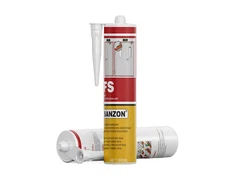
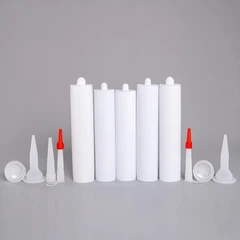
One - part door and window sealants are pre - formulated products that are ready to use right out of the container. They are typically packaged in cartridges or tubes and can be easily applied using a caulking gun. These sealants cure when they come into contact with moisture in the air, a process known as moisture - curing.
Characteristics
- Ease of Use: One of the biggest advantages of one - part sealants is their simplicity. There's no need to mix different components, which makes them ideal for DIY projects and small - scale applications. You can start applying the sealant immediately, saving time and effort.
- Fast Application: Since there's no mixing required, the application process is quick. This is particularly beneficial for contractors who need to complete projects efficiently.
- Good Adhesion: One - part sealants generally offer good adhesion to a variety of substrates, including glass, metal, wood, and plastic. This makes them suitable for sealing different types of doors and windows.
Advantages
- Convenience: The convenience factor cannot be overstated. With one - part sealants, you don't have to worry about measuring and mixing different components, reducing the risk of errors.
- Long Shelf Life: These sealants have a relatively long shelf life, which means you can store them for an extended period without worrying about them going bad.
- Cost - Effective: For small projects, one - part sealants are often more cost - effective than two - part sealants. You can purchase them in smaller quantities, which helps to save money.
Disadvantages
- Slow Curing Time: One - part sealants typically have a slower curing time compared to two - part sealants. This means that you may need to wait longer before the sealant is fully cured and can withstand normal use.
- Limited Chemical Resistance: They may not offer the same level of chemical resistance as two - part sealants. This can be a concern in environments where the sealant is exposed to harsh chemicals or solvents.
- Lower Temperature Resistance: One - part sealants may have lower temperature resistance, which can limit their use in extreme temperature conditions.
Two - Part Door and Window Sealants
Two - part door and window sealants consist of two separate components that need to be mixed together before application. Once mixed, a chemical reaction occurs, causing the sealant to cure.


Characteristics
- Fast Curing Time: Two - part sealants cure much faster than one - part sealants. This is because the chemical reaction between the two components is rapid, allowing for quick turnaround times on projects.
- High Strength and Durability: These sealants offer high strength and durability, making them suitable for demanding applications. They can withstand heavy loads, vibrations, and extreme weather conditions.
- Excellent Chemical Resistance: Two - part sealants have excellent chemical resistance, which makes them ideal for use in industrial and commercial settings where the sealant may be exposed to chemicals.
Advantages
- High Performance: The fast curing time, high strength, and excellent chemical resistance make two - part sealants a high - performance option for door and window sealing.
- Customizable Properties: By adjusting the ratio of the two components, you can customize the properties of the sealant, such as its hardness, flexibility, and curing time.
- Suitable for Large - Scale Projects: Due to their fast curing time and high performance, two - part sealants are well - suited for large - scale projects where time is of the essence.
Disadvantages
- Complex Application: Mixing the two components requires careful measurement and thorough mixing. Any errors in the mixing process can affect the performance of the sealant.
- Shorter Shelf Life: Once the two components are mixed, the sealant has a limited pot life, which means you need to use it quickly before it starts to cure.
- Higher Cost: Two - part sealants are generally more expensive than one - part sealants, especially for small projects.
Applications
The choice between one - part and two - part door and window sealants depends on the specific application.
- Residential Projects: For most residential door and window sealing projects, one - part sealants are a popular choice. They are easy to use, cost - effective, and offer sufficient performance for normal household use. For example, sealing around windows in a single - family home can be easily accomplished with a one - part sealant.
- Commercial and Industrial Projects: In commercial and industrial settings, two - part sealants are often preferred. These projects require high - performance sealants that can withstand heavy traffic, harsh environmental conditions, and chemical exposure. For instance, sealing the doors and windows of a factory or a chemical processing plant would typically call for a two - part sealant.
Product Recommendations
We offer a wide range of door and window sealants to meet the diverse needs of our customers.
- MS Polymer Sealant: Our MS Polymer Sealant is a one - part, moisture - curing sealant that offers excellent adhesion, flexibility, and weather resistance. It is suitable for a variety of applications, including residential and commercial door and window sealing.
- Structural Sealants: Our Structural Sealants are two - part products that provide high strength and durability. They are designed for applications where structural integrity is critical, such as curtain wall systems and large - scale window installations.
- Polyurethane Sealants for Construction: Our Polyurethane Sealants for Construction are available in both one - part and two - part formulations. They offer excellent adhesion, flexibility, and resistance to weathering, making them suitable for a wide range of construction applications.
Conclusion
In conclusion, the difference between one - part and two - part door and window sealants lies in their characteristics, advantages, and disadvantages. One - part sealants are convenient, cost - effective, and easy to use, making them a great choice for small - scale and DIY projects. On the other hand, two - part sealants offer high performance, fast curing times, and excellent chemical resistance, which are ideal for large - scale and demanding applications.
If you're still unsure which type of sealant is right for your project, our team of experts is here to help. We can provide you with detailed product information, technical support, and samples to ensure that you make the best decision. Contact us today to discuss your specific requirements and start the procurement process.
References
- ASTM International. (Year). Standard Test Methods for Physical Properties of Sealants. ASTM D5249.
- ISO. (Year). Sealants - Determination of Tensile Properties at Constant Rate of Elongation. ISO 8339.
- Manufacturers' Product Data Sheets.
Send Inquiry