


How to clean high quality weatherproof silicone sealant from tools?
Nov 18, 2025
Leave a message
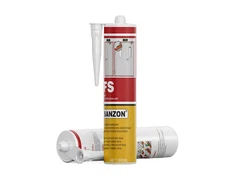
Cleaning high quality weatherproof silicone sealant from tools is a crucial task for professionals and DIY enthusiasts alike. As a supplier of High Quality Weatherproof Silicone Sealant, I understand the importance of maintaining your tools in top - notch condition. This blog post will guide you through the process of effectively cleaning your tools after using our high - quality sealant.
Understanding High Quality Weatherproof Silicone Sealant
Before we delve into the cleaning process, it's essential to understand what high quality weatherproof silicone sealant is. Our High Quality Weatherproof Silicone Sealant is formulated to provide excellent adhesion, flexibility, and resistance to various weather conditions. It forms a durable and long - lasting seal, making it ideal for a wide range of applications, from window installation to bathroom caulking.
The unique properties of silicone sealant, such as its stickiness and slow - curing nature, can make it challenging to clean from tools. However, with the right methods and products, you can keep your tools clean and ready for the next project.
Tools Commonly Used with Silicone Sealant
There are several tools that are commonly used when applying silicone sealant. These include:
- Caulking Guns: Caulking guns are used to dispense the sealant evenly. The nozzle of the caulking gun can easily get clogged with dried sealant, which can affect its performance.
- Putty Knives: Putty knives are used to smooth and shape the sealant. They often come into direct contact with the sealant, and if not cleaned properly, can become dull and ineffective.
- Brushes: Brushes are sometimes used to apply sealant in hard - to - reach areas or to spread it evenly. Sealant can dry on the brush bristles, making them stiff and difficult to use.
Cleaning Methods for Different Tools
Cleaning Caulking Guns
- Immediate Cleaning: As soon as you finish using the caulking gun, try to remove as much sealant as possible while it is still wet. You can do this by using a putty knife or a piece of cardboard to scrape off the excess sealant from the nozzle and the barrel of the gun.
- Solvent Cleaning: Once you have removed the bulk of the sealant, you can use a suitable solvent to clean the remaining residue. Mineral spirits or acetone are commonly used solvents for cleaning silicone sealant. However, make sure to check the manufacturer's instructions for your caulking gun, as some materials may be damaged by certain solvents.
- Dip a clean cloth or a cotton swab into the solvent and gently wipe the nozzle and the barrel of the caulking gun. Be careful not to get the solvent on any painted or plastic parts of the gun that may be sensitive to it.
- If the sealant has dried inside the gun, you may need to soak the nozzle in the solvent for a few minutes to soften the sealant. Then, use a wire brush or a pipe cleaner to remove the softened sealant.
- Rinsing and Drying: After cleaning with the solvent, rinse the caulking gun thoroughly with water to remove any remaining solvent. Dry the gun completely before storing it to prevent rusting.
Cleaning Putty Knives
- Scraping: Similar to caulking guns, start by scraping off the excess sealant while it is still wet. You can use another putty knife or a sharp object to scrape the sealant from the blade of the putty knife.
- Soaking in Solvent: If there is still some sealant residue on the putty knife, soak the blade in a container filled with a suitable solvent. Let it soak for a few hours or overnight, depending on how stubborn the sealant is.
- Brushing and Rinsing: After soaking, use a wire brush to scrub the blade to remove the softened sealant. Rinse the putty knife with water and dry it thoroughly. You can also use a fine - grit sandpaper to smooth the blade if it has become dull or rough during the cleaning process.
Cleaning Brushes
- Initial Removal: As soon as you finish using the brush, try to remove as much sealant as possible by wiping the brush on a clean cloth or a piece of cardboard.
- Solvent Soaking: Fill a container with a solvent that is safe for the brush bristles. For natural - bristle brushes, use a mild solvent like mineral spirits. For synthetic - bristle brushes, acetone may be more effective.
- Submerge the brush in the solvent and let it soak for at least 30 minutes. You can gently swirl the brush in the solvent to help loosen the sealant.
- Brushing and Rinsing: After soaking, use your fingers or a comb to gently remove the softened sealant from the brush bristles. Rinse the brush thoroughly with water and reshape the bristles. Let the brush dry completely before using it again.
Alternative Cleaning Solutions
If you prefer not to use solvents, there are some alternative cleaning solutions that you can try:
- Vinegar: Vinegar is a natural and non - toxic alternative to solvents. It can help to soften the silicone sealant. Soak the tools in a mixture of equal parts vinegar and water for a few hours. Then, scrub the tools with a brush to remove the sealant.
- Baking Soda Paste: Make a paste by mixing baking soda with a small amount of water. Apply the paste to the sealant - covered areas of the tools and let it sit for a few minutes. Then, scrub the tools with a brush and rinse them with water.
Preventive Measures
Taking preventive measures can make the cleaning process much easier. Here are some tips:
- Use Sealant Applicators: Instead of applying the sealant directly with your tools, use disposable sealant applicators. These can be easily discarded after use, reducing the amount of sealant that gets on your tools.
- Lubricate Tools: Before using your tools, apply a thin layer of lubricant, such as petroleum jelly, to the parts that will come into contact with the sealant. This will make it easier to remove the sealant later.
- Clean Tools Regularly: Make it a habit to clean your tools after each use. Even if you only used a small amount of sealant, cleaning the tools immediately will prevent the sealant from drying and becoming more difficult to remove.
Other Sealant Products and Their Cleaning Considerations
In addition to our High Quality Weatherproof Silicone Sealant, we also offer MS Polymer Sealant and Polyurethane Sealants for Construction.
- MS Polymer Sealant: MS polymer sealants are known for their excellent adhesion and flexibility. Cleaning tools used with MS polymer sealant is similar to cleaning tools used with silicone sealant. However, they may require a different solvent. Check the product instructions for the recommended cleaning solvent.
- Polyurethane Sealants for Construction: Polyurethane sealants are very strong and durable. They can be more difficult to clean than silicone or MS polymer sealants. Specialized solvents may be required, and it's important to follow the manufacturer's instructions carefully.
Conclusion
Cleaning high quality weatherproof silicone sealant from tools is a necessary task to ensure the longevity and performance of your tools. By following the methods and tips outlined in this blog post, you can keep your tools clean and in good working condition.
If you are interested in purchasing high - quality sealants for your projects, we invite you to explore our range of products, including High Quality Weatherproof Silicone Sealant, MS Polymer Sealant, and Polyurethane Sealants for Construction. Contact us for more information and to discuss your specific requirements. We are here to help you find the best sealant solutions for your needs.


References
- Product manuals of high quality weatherproof silicone sealant, MS polymer sealant, and polyurethane sealants for construction.
- Industry best practices for tool cleaning and maintenance.
Send Inquiry