


How does the color of sealant ms change over time?
Dec 03, 2025
Leave a message
As a seasoned supplier of sealant MS, I've witnessed firsthand the fascinating journey of how the color of this remarkable product changes over time. In this blog, I'll delve into the science behind these color transformations, explore the factors that influence them, and share insights based on my years of experience in the industry.
The Basics of Sealant MS
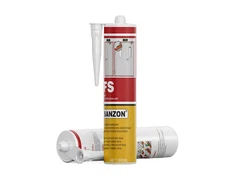
Sealant MS, also known as MS Polymer Sealant MS Polymer Sealant, is a versatile and widely used material in various construction and DIY projects. It offers excellent adhesion, flexibility, and weather resistance, making it suitable for sealing joints, gaps, and cracks in a range of applications. One of the notable features of sealant MS is its ability to come in different colors, allowing users to match it with the surrounding surfaces for a more aesthetically pleasing finish.
Initial Color and Application
When sealant MS is first applied, it typically has a consistent and uniform color that is determined by the manufacturer. This initial color is carefully formulated to meet the specific requirements of the product and the preferences of the customers. Whether it's a neutral white, a bold black, or a custom color, the sealant is designed to look fresh and appealing right from the start.
During the application process, it's important to ensure that the sealant is evenly spread and smoothed out to achieve the desired appearance. Any unevenness or air bubbles can affect the final color and texture of the sealant. Once applied, the sealant begins to cure, which is a chemical process that involves the reaction of the polymer components with moisture in the air. This curing process is crucial for the sealant to develop its full strength and durability.
Factors Affecting Color Change
Over time, the color of sealant MS can change due to a variety of factors. Understanding these factors can help us better predict and manage the color changes, ensuring that the sealant maintains its appearance and performance for as long as possible.
Exposure to UV Radiation
One of the primary factors that can cause the color of sealant MS to change is exposure to ultraviolet (UV) radiation from the sun. UV rays can break down the chemical bonds in the sealant, leading to a process called photodegradation. This can result in the fading or discoloration of the sealant, especially in areas that are directly exposed to sunlight.
To minimize the effects of UV radiation, it's important to choose a sealant that is specifically formulated to be UV-resistant. Some sealants are treated with UV stabilizers to help protect them from the damaging effects of the sun. Additionally, applying a protective coating or paint over the sealant can provide an extra layer of protection against UV rays.
Chemical Exposure
Another factor that can affect the color of sealant MS is exposure to chemicals. Certain chemicals, such as solvents, acids, and alkalis, can react with the sealant and cause it to change color. This can happen in industrial settings, where the sealant may come into contact with chemicals during the manufacturing or cleaning processes.
To prevent chemical damage, it's important to choose a sealant that is resistant to the specific chemicals that it will be exposed to. Additionally, following the manufacturer's instructions for proper handling and storage of the sealant can help minimize the risk of chemical exposure.
Temperature and Humidity
Temperature and humidity can also play a role in the color change of sealant MS. Extreme temperatures, both hot and cold, can cause the sealant to expand and contract, which can lead to cracking and discoloration. High humidity levels can also promote the growth of mold and mildew, which can stain the sealant and cause it to turn black or green.
To ensure the best performance and appearance of the sealant, it's important to apply it in a suitable environment with moderate temperature and humidity levels. Additionally, using a sealant that is designed to perform well in a wide range of temperatures and humidity conditions can help minimize the effects of these environmental factors.
Age and Wear
As sealant MS ages, it naturally undergoes a process of degradation. Over time, the polymer components in the sealant can break down, leading to a loss of strength and flexibility. This can also result in the color of the sealant changing, as the degradation products may have a different color than the original sealant.


Regular maintenance and inspection of the sealant can help identify any signs of aging or wear early on. If the sealant shows signs of significant color change, cracking, or peeling, it may be necessary to replace it to maintain the integrity and appearance of the sealed area.
Types of Color Change
The color change of sealant MS can manifest in different ways, depending on the specific factors involved. Here are some common types of color change that we may encounter:
Fading
Fading is one of the most common types of color change in sealant MS. It occurs when the color of the sealant becomes lighter or less vibrant over time. This is often due to the effects of UV radiation, which can break down the pigments in the sealant and cause them to lose their color intensity.
Yellowing
Yellowing is another type of color change that can occur in sealant MS, especially in white or light-colored sealants. This can be caused by a variety of factors, including exposure to UV radiation, chemical reactions, and the growth of mold and mildew. Yellowing can make the sealant look dirty and unappealing, and it may also indicate a problem with the sealant's performance.
Staining
Staining can occur when the sealant comes into contact with substances that can leave a mark on its surface. This can include dirt, grease, oil, and other contaminants. Staining can be particularly noticeable in light-colored sealants, and it can be difficult to remove without damaging the sealant.
Color Bleeding
Color bleeding can occur when the color of the sealant migrates or spreads into the surrounding surfaces. This can happen if the sealant is not properly cured or if it comes into contact with a porous material. Color bleeding can be a cosmetic issue, but it can also affect the adhesion and performance of the sealant.
Managing Color Change
While it's impossible to completely prevent the color change of sealant MS, there are several steps that we can take to manage and minimize its effects. Here are some tips for maintaining the appearance and performance of the sealant:
Choose the Right Sealant
When selecting a sealant, it's important to choose one that is specifically formulated to meet the requirements of your project. Consider factors such as the application area, the expected exposure to UV radiation and chemicals, and the desired color and finish. Choosing a high-quality sealant that is resistant to color change can help ensure that it maintains its appearance and performance for a longer period of time.
Follow the Manufacturer's Instructions
Proper application and maintenance of the sealant are crucial for its long-term performance. Make sure to follow the manufacturer's instructions for surface preparation, application techniques, and curing times. This will help ensure that the sealant is applied correctly and that it develops its full strength and durability.
Regular Maintenance
Regular maintenance of the sealed area can help prevent the buildup of dirt, grime, and other contaminants that can affect the color and appearance of the sealant. Cleaning the sealant periodically with a mild detergent and water can help keep it looking fresh and clean. Additionally, inspecting the sealant for any signs of damage or color change can help identify and address any issues early on.
Consider Color Matching
If the color change of the sealant becomes noticeable, it may be possible to match the new sealant to the existing color. Some manufacturers offer color matching services, where they can create a custom color that closely matches the original sealant. This can help ensure a seamless and aesthetically pleasing repair or replacement of the sealant.
Conclusion
The color change of sealant MS is a natural and inevitable process that is influenced by a variety of factors. By understanding the science behind these color changes and taking appropriate measures to manage and minimize their effects, we can ensure that the sealant maintains its appearance and performance for as long as possible.
As a sealant MS supplier, I'm committed to providing high-quality products that are designed to resist color change and offer long-lasting performance. Whether you're working on a small DIY project or a large-scale construction job, I can help you choose the right sealant for your needs and provide you with the support and guidance you need to ensure a successful application.
If you're interested in learning more about our sealant MS products or have any questions about color change or other aspects of sealant performance, please don't hesitate to contact us. We're here to help you find the best solutions for your sealing needs and to ensure that your projects look and perform their best for years to come.
References
- ASTM International. (20XX). Standard Test Methods for Evaluating the Color and Appearance of Sealants.
- European Sealant Association. (20XX). Guide to Sealant Selection and Application.
- Manufacturer's product literature and technical data sheets.
Send Inquiry