

Can the Double Cylinder Sealant Filling Machine fill sealants of different viscosities?
Jan 15, 2026
Leave a message
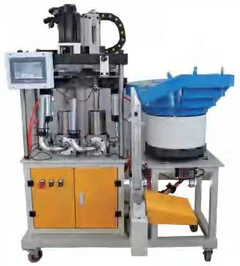
In the realm of industrial manufacturing, the ability to handle different types of materials is a crucial factor for the efficiency and versatility of machinery. One such piece of equipment that often faces the challenge of dealing with various substances is the Double Cylinder Sealant Filling Machine. As a supplier of this innovative machine, I am frequently asked whether it can fill sealants of different viscosities. In this blog post, I will delve into this question, exploring the technical capabilities of the Double Cylinder Sealant Filling Machine and how it addresses the diverse needs of sealant filling.
Understanding Sealant Viscosity
Before we discuss the filling capabilities of the Double Cylinder Sealant Filling Machine, it is essential to understand what viscosity means in the context of sealants. Viscosity is a measure of a fluid's resistance to flow. In simple terms, it describes how thick or thin a liquid is. Sealants can have a wide range of viscosities, from very thin and runny to extremely thick and paste - like.
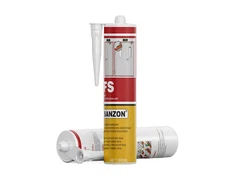
Thin - viscosity sealants flow easily and are often used in applications where quick spreading and penetration are required. Examples include some types of silicone sealants used for general household sealing. On the other hand, high - viscosity sealants are more like a thick paste and are commonly used in applications where the sealant needs to stay in place, such as in construction joints or automotive gaskets.
Technical Features of the Double Cylinder Sealant Filling Machine
The Double Cylinder Sealant Filling Machine is designed with several technical features that enable it to handle sealants of different viscosities.


1. Adjustable Piston System
One of the key features of the machine is its adjustable piston system. The pistons in the double cylinders are responsible for pushing the sealant out of the machine and into the containers. For low - viscosity sealants, the piston can operate at a relatively high speed, allowing the thin sealant to flow smoothly through the filling nozzles. When dealing with high - viscosity sealants, the piston speed can be adjusted to a slower rate. This slower movement provides enough force to push the thick sealant through the system without causing blockages or uneven filling.
2. Pressure Control
Another important aspect is the pressure control mechanism. The machine is equipped with a pressure - regulating device that can be adjusted according to the viscosity of the sealant. For thin sealants, a lower pressure is sufficient to ensure proper filling. However, high - viscosity sealants require higher pressure to be forced through the filling channels. The pressure control system ensures that the right amount of pressure is applied, preventing under - filling or over - filling of the containers.
3. Nozzle Design
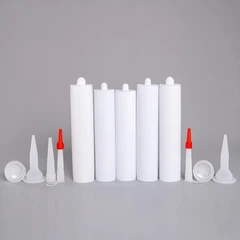
The design of the filling nozzles also plays a significant role in handling different viscosities. The nozzles are engineered to have a smooth internal surface, which reduces friction and allows the sealant to flow more easily. For high - viscosity sealants, the nozzles may have a larger diameter to accommodate the thicker material. Additionally, some models of the Double Cylinder Sealant Filling Machine come with interchangeable nozzles, allowing operators to select the most suitable nozzle for the specific viscosity of the sealant being filled.
Advantages of Using the Double Cylinder Sealant Filling Machine for Different Viscosities
The ability of the Double Cylinder Sealant Filling Machine to handle sealants of different viscosities offers several advantages to manufacturers.
1. Versatility
With this machine, manufacturers can fill a wide range of sealant products using a single piece of equipment. This eliminates the need to invest in multiple filling machines for different viscosity sealants, saving both space and capital. For example, a company that produces both thin - viscosity silicone sealants for consumer use and high - viscosity polyurethane sealants for industrial applications can use the Double Cylinder Sealant Filling Machine for all its filling needs.
2. Consistency
The machine ensures consistent filling regardless of the viscosity of the sealant. The adjustable piston system and pressure control mechanism work together to maintain a uniform filling volume for each container. This consistency is crucial for product quality and customer satisfaction. Whether it is a small tube of low - viscosity sealant or a large cartridge of high - viscosity sealant, the machine can deliver accurate and repeatable filling results.
3. Efficiency
The Double Cylinder Sealant Filling Machine is designed for high - speed operation. Even when filling high - viscosity sealants, the adjustable features allow for efficient production. The ability to quickly switch between different viscosity settings means that manufacturers can produce different types of sealants in a single production run, increasing overall productivity.
Comparison with Other Sealant Filling Machines
To better understand the capabilities of the Double Cylinder Sealant Filling Machine, it is useful to compare it with other types of sealant filling machines, such as the Single Cylinder Sealant Filling Machine and the Sealant Filling Machine for Sausage Packing.
The Single Cylinder Sealant Filling Machine typically has a simpler design and is generally less expensive. However, it may have limitations when it comes to handling high - viscosity sealants. The single - cylinder design may not provide enough force to push thick sealants through the system efficiently, resulting in slower filling speeds and potential blockages.
The Sealant Filling Machine for Sausage Packing is specifically designed for filling sealants into sausage - shaped containers. While it can handle a certain range of viscosities, its design is more focused on the unique requirements of sausage - style packaging. The Double Cylinder Sealant Filling Machine, on the other hand, offers more flexibility in terms of container types and can handle a wider range of viscosities, making it a more versatile choice for many manufacturers.
Real - World Applications
The Double Cylinder Sealant Filling Machine has found widespread use in various industries due to its ability to fill sealants of different viscosities.
In the construction industry, it is used to fill high - viscosity sealants into large cartridges for sealing building joints, windows, and doors. The machine's ability to handle thick sealants ensures that the cartridges are filled accurately and efficiently, providing a reliable seal for long - term use.
In the automotive industry, the machine is employed to fill both low - viscosity and high - viscosity sealants. Low - viscosity sealants are used for applications such as sealing electrical connections, while high - viscosity sealants are used for engine gaskets and body panel seals. The versatility of the Double Cylinder Sealant Filling Machine allows automotive manufacturers to streamline their production processes.
Conclusion
In conclusion, the Double Cylinder Sealant Filling Machine is indeed capable of filling sealants of different viscosities. Its adjustable piston system, pressure control mechanism, and well - designed nozzles make it a versatile and efficient solution for sealant filling. Whether you are a manufacturer of consumer - grade sealants or industrial - strength products, this machine can meet your filling needs.
If you are interested in learning more about our Double Cylinder Sealant Filling Machine or would like to discuss your specific sealant filling requirements, please do not hesitate to contact us. Our team of experts is ready to assist you in finding the best filling solution for your business.
References
- Smith, J. (2020). Industrial Filling Machinery: Principles and Applications. Publisher X.
- Brown, A. (2019). Sealant Technology and Applications. Publisher Y.
- Johnson, R. (2021). Advances in Filling Machine Design for Viscous Fluids. Journal of Industrial Engineering, Vol. 15, Issue 2.
Send Inquiry