

Can I use a silicone cartridge for sealing pipes?
Jan 07, 2026
Leave a message
Hey there! As a silicone cartridge supplier, I often get asked, "Can I use a silicone cartridge for sealing pipes?" Well, let's dive right into it and find out.
What is a Silicone Cartridge?
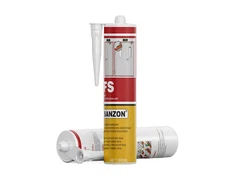
First off, let's talk about what a silicone cartridge actually is. A silicone cartridge is a container filled with silicone sealant. It's designed to be used with a caulking gun, which makes it super easy to apply the sealant exactly where you need it. The silicone inside is a flexible, rubber - like material that can form a strong, watertight seal.
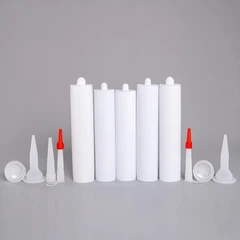
We offer different sizes of silicone cartridges, like the 240ML Cartridge, 300ML Cartridge, and 310ML Cartridge. This variety allows you to choose the right amount depending on the size of your project.
Why Use Silicone for Pipe Sealing?
There are several reasons why silicone is a great choice for sealing pipes.
Flexibility
Pipes can expand and contract due to temperature changes. Silicone is extremely flexible, which means it can move with the pipes without cracking or losing its seal. This is crucial because if the seal breaks, you could end up with leaks, which can cause all sorts of problems like water damage and mold growth.


Water Resistance
Silicone is highly water - resistant. Once it cures, it forms a barrier that keeps water from seeping through. This is especially important for pipes that carry water, whether it's in your home's plumbing system or in an industrial setting.
Chemical Resistance
In some cases, pipes may carry chemicals or other substances. Silicone has good chemical resistance, so it can withstand exposure to a variety of chemicals without degrading. This ensures that the seal remains intact and the pipes function properly.
Adhesion
Silicone adheres well to a variety of surfaces commonly used in pipes, such as metal, plastic, and ceramic. This strong adhesion helps to create a reliable seal that can last for a long time.
How to Use a Silicone Cartridge for Pipe Sealing
Using a silicone cartridge for pipe sealing is a relatively straightforward process, but there are a few steps you need to follow to ensure a successful outcome.
Preparation
First, make sure the pipe surfaces are clean and dry. Remove any dirt, grease, or old sealant from the area where you'll be applying the silicone. You can use a mild detergent and a cloth to clean the pipes, and then let them dry completely.
Loading the Cartridge
Open the silicone cartridge by cutting the tip at a 45 - degree angle. The size of the opening will depend on the width of the joint you need to seal. Then, load the cartridge into a caulking gun.
Applying the Sealant
Hold the caulking gun at a 45 - degree angle to the pipe joint and squeeze the trigger slowly. Apply a continuous bead of silicone along the joint, making sure to fill the gap completely. You can use a putty knife or your finger to smooth out the sealant and remove any excess.
Curing
After applying the silicone, let it cure according to the manufacturer's instructions. This usually takes a few hours to a day, depending on the type of silicone and the environmental conditions. During the curing process, avoid disturbing the sealant or getting it wet.
Limitations of Using Silicone for Pipe Sealing
While silicone is a great option for many pipe - sealing applications, it's not without its limitations.
High - Pressure Situations
In high - pressure pipes, such as those in industrial hydraulic systems, silicone may not be the best choice. The high pressure can put a lot of stress on the seal, and silicone may not be able to withstand it as well as some other materials.
Extreme Temperatures
Although silicone can handle a wide range of temperatures, extremely high or low temperatures can affect its performance. In very cold conditions, silicone may become brittle, while in very hot conditions, it may soften and lose its shape.
When to Consider Other Options
If you're dealing with high - pressure pipes or extreme temperatures, you may want to consider other sealing materials. For example, in high - pressure applications, rubber gaskets or metal seals may be more suitable. In extreme temperature environments, specialized sealants designed for those conditions could be a better option.
Conclusion
So, can you use a silicone cartridge for sealing pipes? The answer is yes, in many cases. Silicone offers flexibility, water resistance, chemical resistance, and good adhesion, making it a reliable choice for most pipe - sealing projects. However, it's important to consider the specific requirements of your project, such as pressure and temperature, to determine if silicone is the best option.
If you're interested in purchasing our silicone cartridges for your pipe - sealing needs, feel free to reach out to us. We're here to help you find the right product for your project and answer any questions you may have. Whether you need a 240ML Cartridge, 300ML Cartridge, or 310ML Cartridge, we've got you covered.
References
- "Sealants and Adhesives Handbook" - A comprehensive guide on different types of sealants and their applications.
- Industry standards and guidelines for pipe sealing materials.
Send Inquiry