

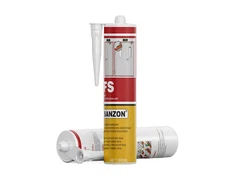

Can door and window sealant be used on garage doors?
Nov 20, 2025
Leave a message
Can door and window sealant be used on garage doors? This is a question that many homeowners and DIY enthusiasts often ask. As a leading supplier of door and window sealants, I'm here to provide you with a comprehensive answer based on our expertise and industry knowledge.
Understanding Door and Window Sealants
Before we delve into whether door and window sealants can be used on garage doors, let's first understand what these sealants are and what they do. Door and window sealants are materials used to fill gaps and joints around doors and windows to prevent air, water, dust, and noise from entering a building. They also help to improve energy efficiency by reducing heat loss and gain.
There are several types of door and window sealants available on the market, each with its own unique properties and applications. Some of the most common types include silicone sealants, acrylic sealants, and polyurethane sealants.
- Silicone Sealants: Silicone sealants are known for their excellent flexibility, durability, and resistance to weathering, UV rays, and temperature extremes. They are ideal for use in areas that are exposed to harsh environmental conditions. Neutral Bonding Silicone Sealant is a popular choice for sealing doors and windows due to its strong adhesion and long-lasting performance.
- Acrylic Sealants: Acrylic sealants are water-based and easy to apply. They are typically less expensive than silicone sealants and are suitable for interior applications. White Acrylic Sealant is a common option for sealing gaps and joints around doors and windows in residential buildings.
- Polyurethane Sealants: Polyurethane sealants offer high strength and excellent resistance to abrasion, chemicals, and moisture. They are often used in commercial and industrial applications where a more durable seal is required.
Can Door and Window Sealant Be Used on Garage Doors?
The short answer is yes, door and window sealant can be used on garage doors. However, there are several factors to consider before making a decision.
Compatibility
The first factor to consider is the compatibility of the sealant with the material of the garage door. Garage doors can be made from a variety of materials, including wood, steel, aluminum, and fiberglass. Different sealants may have different adhesion properties and may not bond well to certain materials.
For example, silicone sealants generally adhere well to most materials, including metal, glass, and plastic. However, they may not bond well to some types of painted surfaces or porous materials. Acrylic sealants, on the other hand, are more suitable for use on porous materials such as wood and drywall.
Before applying a sealant to your garage door, it's important to test it on a small, inconspicuous area first to ensure that it adheres properly and does not cause any damage to the surface.
Environmental Conditions
Another important factor to consider is the environmental conditions in which the garage door is located. Garage doors are often exposed to a wide range of weather conditions, including rain, snow, heat, and cold. The sealant you choose should be able to withstand these conditions without deteriorating or losing its adhesion.
Silicone sealants are generally the best choice for outdoor applications due to their excellent weather resistance. They can withstand extreme temperatures, UV rays, and moisture without cracking or peeling. Two-component Silicone Weather-resistant Adhesive is a high-performance sealant that is specifically designed for use in harsh environmental conditions.
Functionality
In addition to sealing out air and water, garage door sealants may also need to perform other functions, such as reducing noise and vibration. If noise reduction is a concern, you may want to choose a sealant that has sound-dampening properties.
Some sealants are also designed to provide insulation, which can help to improve the energy efficiency of your garage. This can be especially beneficial if you use your garage as a living space or if you want to reduce your energy costs.
Benefits of Using Door and Window Sealant on Garage Doors
Using door and window sealant on garage doors offers several benefits, including:
- Energy Efficiency: Sealing gaps and joints around your garage door can help to prevent air leakage, which can reduce heat loss and gain. This can lead to lower energy bills and a more comfortable indoor environment.
- Waterproofing: A good sealant can prevent water from seeping into your garage, which can help to protect your belongings from damage and prevent mold and mildew growth.
- Noise Reduction: Sealants can help to reduce noise and vibration from outside, making your garage a quieter and more peaceful place.
- Durability: By protecting your garage door from the elements, a sealant can help to extend its lifespan and reduce the need for costly repairs.
How to Apply Door and Window Sealant on Garage Doors
Applying door and window sealant on garage doors is a relatively simple process, but it does require some preparation and attention to detail. Here are the steps to follow:
- Clean the Surface: Before applying the sealant, make sure the surface of the garage door is clean and dry. Remove any dirt, dust, grease, or old sealant using a mild detergent and a scrub brush. Rinse the surface thoroughly with water and allow it to dry completely.
- Mask the Area: Use masking tape to protect the surrounding areas of the garage door from the sealant. This will help to ensure a clean and professional-looking finish.
- Cut the Nozzle: Cut the tip of the sealant cartridge at a 45-degree angle to create a small opening. The size of the opening will depend on the width of the gap or joint you are sealing.
- Apply the Sealant: Hold the sealant gun at a 45-degree angle and apply the sealant evenly along the gap or joint. Use a steady, continuous motion to ensure a smooth and consistent bead of sealant.
- Smooth the Sealant: Use a putty knife or a sealant smoothing tool to smooth the surface of the sealant and remove any excess. This will help to create a neat and professional-looking finish.
- Remove the Masking Tape: Once the sealant has dried, carefully remove the masking tape. Be careful not to pull the sealant off the surface.
Conclusion
In conclusion, door and window sealant can be used on garage doors, but it's important to choose the right type of sealant for your specific needs and to follow the proper application procedures. By using a high-quality sealant, you can improve the energy efficiency, waterproofing, and durability of your garage door, as well as reduce noise and vibration.


If you have any questions or need further advice on choosing the right door and window sealant for your garage door, please don't hesitate to contact us. Our team of experts is always available to help you find the best solution for your needs. We welcome you to reach out to us for procurement discussions and explore how our high - quality sealants can meet your requirements.
References
- "Sealants for Building Construction" - Construction Sealants Handbook
- "Guide to Garage Door Maintenance" - Home Improvement Magazine
Send Inquiry