




Can a filling machine fill in a continuous or intermittent mode?
Jan 13, 2026
Leave a message
As a seasoned supplier in the filling machine industry, I've witnessed firsthand the diverse needs and preferences of our clients across various sectors. One of the most frequently asked questions we encounter is whether a filling machine can operate in a continuous or intermittent mode. In this blog post, I will delve into the intricacies of these two operating modes, their respective advantages and disadvantages, and how they can be applied to different industries.
Understanding Continuous and Intermittent Filling Modes
Before we explore the capabilities of filling machines, it's essential to understand the fundamental differences between continuous and intermittent filling modes.
Continuous Filling Mode
In a continuous filling mode, the filling machine operates without interruption, delivering a constant flow of product into the containers. This mode is typically used for high-speed production lines where a large volume of products needs to be filled within a short period. The filling process is synchronized with the movement of the containers, which are transported along a conveyor belt at a consistent speed. Continuous filling machines are designed to minimize downtime and maximize efficiency, making them ideal for industries such as food and beverage, pharmaceuticals, and cosmetics.
Intermittent Filling Mode
On the other hand, intermittent filling mode involves filling the containers in a sequential manner, with a brief pause between each filling cycle. During this pause, the container is positioned under the filling nozzle, the filling process is initiated, and then the container is released to make way for the next one. Intermittent filling machines are often used for applications where precise filling volumes are required or when the product being filled is sensitive to overfilling or splashing. This mode is commonly employed in industries such as chemical manufacturing, electronics, and automotive.
Advantages and Disadvantages of Continuous Filling Mode
Advantages
- High Speed and Efficiency: Continuous filling machines are capable of filling a large number of containers in a short amount of time, making them highly efficient for high-volume production. This can result in significant cost savings in terms of labor and production time.
- Consistent Filling Quality: Since the filling process is continuous, the filling volumes are more consistent compared to intermittent filling. This ensures that each container receives the exact amount of product, reducing the risk of underfilling or overfilling.
- Reduced Downtime: Continuous filling machines are designed to operate continuously, minimizing downtime between filling cycles. This is particularly beneficial for industries with tight production schedules and high demand for products.
Disadvantages
- Limited Flexibility: Continuous filling machines are optimized for high-speed production and may not be suitable for applications that require frequent changes in container size or product type. Switching between different products or container sizes may require significant downtime for machine adjustments and cleaning.
- Higher Initial Investment: The cost of purchasing and installing a continuous filling machine is generally higher compared to an intermittent filling machine. This is due to the complexity of the machine and the need for advanced control systems to ensure consistent filling quality.
- Product Compatibility: Some products may not be suitable for continuous filling due to their viscosity, foaming properties, or sensitivity to shear forces. In such cases, intermittent filling may be a more appropriate option.
Advantages and Disadvantages of Intermittent Filling Mode
Advantages
- Precise Filling Volumes: Intermittent filling machines offer greater control over the filling process, allowing for precise adjustment of filling volumes. This is particularly important for applications where accurate dosing is critical, such as in the pharmaceutical and chemical industries.
- Flexibility: Intermittent filling machines are more flexible compared to continuous filling machines and can easily accommodate different container sizes and shapes. They can also be used to fill a variety of products, including liquids, powders, and pastes.
- Reduced Product Waste: Since the filling process is intermittent, there is less risk of product spillage or overfilling. This can result in significant cost savings in terms of product waste and cleaning.
Disadvantages
- Lower Production Speed: Intermittent filling machines are generally slower compared to continuous filling machines due to the pauses between filling cycles. This can limit their suitability for high-volume production applications.
- Increased Labor Requirements: The operation of intermittent filling machines often requires more manual intervention compared to continuous filling machines. This can result in higher labor costs and a greater risk of human error.
- Inconsistent Filling Quality: The filling volumes in intermittent filling machines may vary slightly between each filling cycle, resulting in less consistent filling quality compared to continuous filling machines.
Applications of Continuous and Intermittent Filling Modes
Continuous Filling Mode Applications
- Food and Beverage Industry: Continuous filling machines are widely used in the food and beverage industry for filling products such as juices, soft drinks, milk, and beer. These machines are capable of handling high volumes of products at a fast pace, ensuring efficient production and consistent filling quality.
- Pharmaceutical Industry: In the pharmaceutical industry, continuous filling machines are used for filling liquid medications, vaccines, and other pharmaceutical products. The precise filling volumes and consistent quality provided by these machines are essential for ensuring the safety and efficacy of the products.
- Cosmetics Industry: Continuous filling machines are also commonly used in the cosmetics industry for filling products such as lotions, creams, shampoos, and conditioners. These machines can handle a variety of viscosities and product types, ensuring accurate filling and efficient production.
Intermittent Filling Mode Applications
- Chemical Manufacturing Industry: Intermittent filling machines are often used in the chemical manufacturing industry for filling products such as adhesives, sealants, paints, and solvents. The precise filling volumes and flexibility provided by these machines are essential for ensuring the quality and consistency of the products.
- Electronics Industry: In the electronics industry, intermittent filling machines are used for filling products such as batteries, capacitors, and electronic components. The accurate dosing and reduced product waste provided by these machines are critical for ensuring the performance and reliability of the electronic devices.
- Automotive Industry: Intermittent filling machines are also used in the automotive industry for filling products such as engine oil, coolant, and brake fluid. The precise filling volumes and flexibility provided by these machines are essential for ensuring the proper functioning of the automotive systems.
Our Filling Machine Offerings
At our company, we offer a wide range of filling machines that can operate in both continuous and intermittent modes. Our machines are designed to meet the diverse needs of our clients across various industries, providing high-quality filling solutions that are efficient, reliable, and cost-effective.
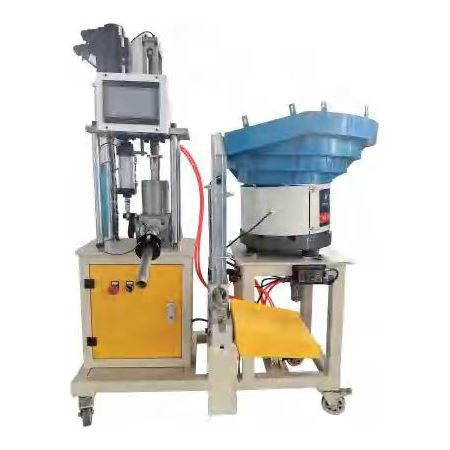

One of our popular filling machines is the Three-color Semi-automatic Sealant Filling Machine. This machine is suitable for filling sealants in a semi-automatic mode, offering precise filling volumes and consistent quality. It is equipped with advanced control systems and can be easily adjusted to accommodate different container sizes and product types.
Another machine in our portfolio is the 60 Ton Press Machine. This machine is designed for high-pressure filling applications and can be used in both continuous and intermittent modes. It is capable of handling a variety of products, including liquids, powders, and pastes, and offers excellent filling accuracy and efficiency.
We also offer the Single Cylinder Sealant Filling Machine, which is a compact and versatile machine suitable for filling sealants in small to medium-scale production. This machine can operate in both continuous and intermittent modes, providing precise filling volumes and reliable performance.
Conclusion
In conclusion, both continuous and intermittent filling modes have their own advantages and disadvantages, and the choice of mode depends on the specific requirements of the application. Continuous filling mode is ideal for high-speed production lines where a large volume of products needs to be filled within a short period, while intermittent filling mode is more suitable for applications where precise filling volumes are required or when the product being filled is sensitive to overfilling or splashing.
As a filling machine supplier, we understand the importance of providing our clients with the right filling solutions that meet their specific needs. Our wide range of filling machines, including those that can operate in both continuous and intermittent modes, are designed to provide high-quality filling solutions that are efficient, reliable, and cost-effective.
If you are interested in learning more about our filling machines or would like to discuss your specific filling requirements, please feel free to contact us. Our team of experts will be happy to assist you and provide you with the best filling solutions for your business.
References
- Smith, J. (2020). Filling Machine Technology: A Comprehensive Guide. New York: Wiley.
- Johnson, M. (2019). The Future of Filling Machines: Trends and Innovations. London: Elsevier.
- Brown, A. (2018). Continuous vs. Intermittent Filling: Which is Right for Your Business? Journal of Manufacturing Technology, 25(3), 123-135.
Send Inquiry