

Performance Characteristics and Application Analysis of Structural Sealant
Jul 23, 2025
Leave a message
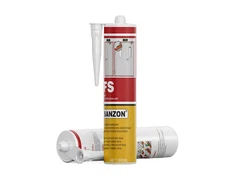
Structural sealant is a high-performance building material primarily used for bonding and sealing structures such as curtain walls, doors, windows, and insulating glass. Its core function is to provide long-term, stable mechanical support and waterproof sealing, ensuring the durability and safety of building structures.
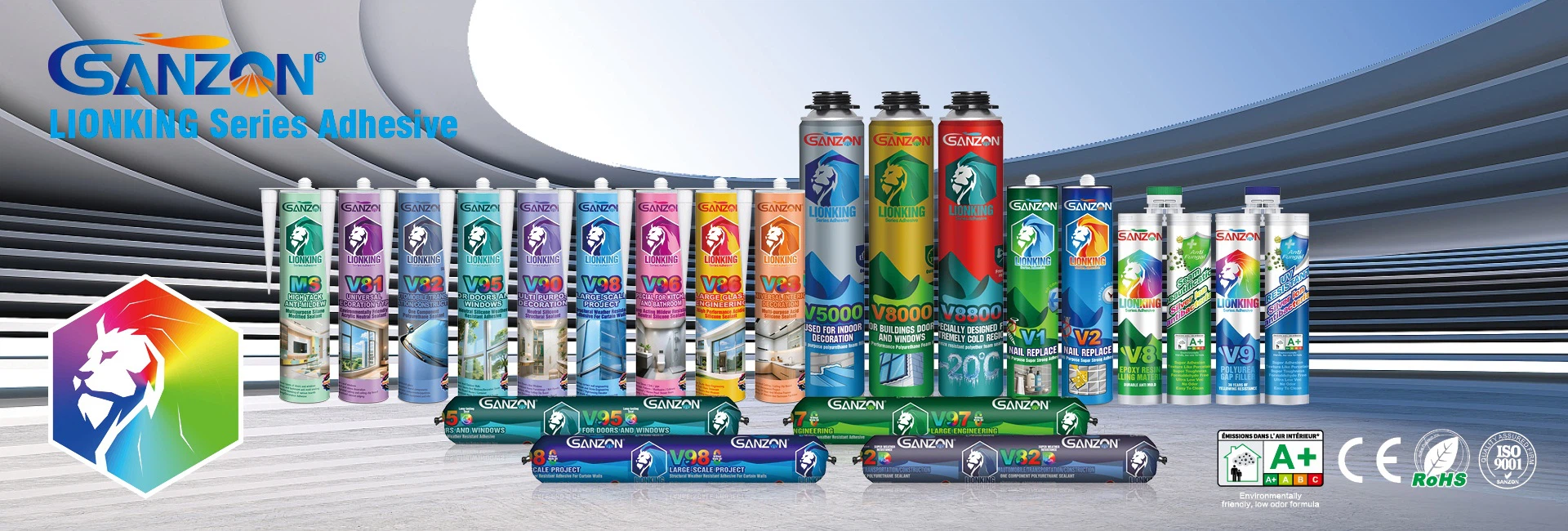
In terms of performance, structural sealants possess excellent adhesion, weather resistance, and elasticity. They can firmly bond a variety of materials, such as glass, metal, stone, and composites, and remain stable in harsh environments such as temperature fluctuations, UV exposure, and wind and rain erosion. Modern structural sealants typically utilize silicone or modified polyurethane systems, offering excellent displacement capacity, adapting to minor structural deformations and preventing cracking or dislodging caused by factors such as thermal expansion and contraction and earthquakes.
In terms of application, structural sealants are widely used for bonding glass to aluminum frames in curtain wall systems, sealing the edges of insulating glass, and waterproofing doors and windows. For example, in high-rise buildings, structural sealants play a critical role in bonding the glass panels to the supporting frame, and their strength directly impacts the overall safety of the curtain wall. Furthermore, in prefabricated buildings, structural sealants are also used to seal the joints of prefabricated components, improving the building's energy efficiency and airtightness.
Selecting the appropriate structural sealant requires consideration of environmental conditions, substrate type, and load requirements. For example, highly weather-resistant silicone sealants are suitable for use in extreme climates, while neutral-curing sealants are more suitable for applications requiring no corrosion to metal substrates.
In the future, as demand for green buildings and energy conservation and environmental protection grows, environmentally friendly low-VOC (volatile organic compound) structural sealants will become a growing trend, further enhancing building safety and sustainability.
Send Inquiry