




What should I do if I get structural sealant on my skin?
Dec 31, 2025
Leave a message
Getting structural sealant on your skin is an unfortunately common occurrence, especially in the construction and installation industries where sealants are frequently used. As a reliable supplier of Link Text: Structural Sealants, I understand the concerns and potential risks associated with this. In this blog, I'll share some practical steps on what you should do if sealant finds its way onto your skin.
Understanding the Types of Structural Sealants
Before diving into the removal process, it's essential to understand the different types of structural sealants. There are various formulations, such as silicone - based, polyurethane - based, and acrylic - based sealants. Each has unique properties, and the removal method may vary accordingly.
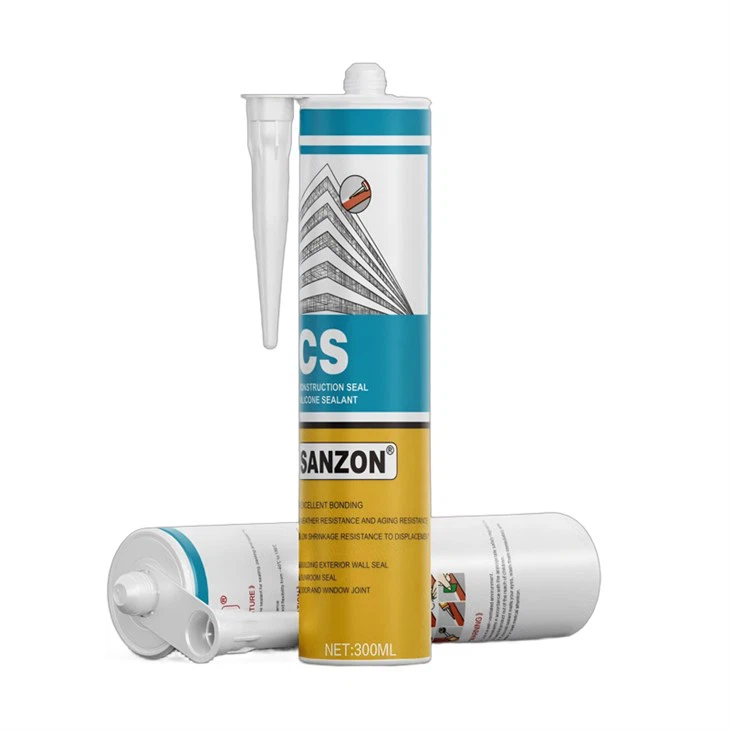
Silicone - based sealants, like our Link Text: Silicone Sealant General Purpose, are known for their excellent flexibility, weather resistance, and adhesion. They form a rubbery, waterproof seal. Polyurethane sealants are tough and durable, often used in high - stress applications. Acrylic sealants are more water - based and are generally easier to clean up compared to silicone and polyurethane.
Immediate Actions
The moment you notice structural sealant on your skin, the first thing to do is act quickly. The longer the sealant stays on your skin, the more difficult it will be to remove.
- Stop the Work: If you're in the middle of a project, put down your tools immediately. Continuing to work may spread the sealant further on your skin or onto other surfaces.
- Remove Excess Sealant: Use a blunt object, like a plastic scraper or the edge of a credit card, to gently scrape off as much of the wet sealant as possible. Be careful not to scratch your skin in the process.
Cleaning Methods Based on Sealant Type
Silicone Sealants
Silicone sealants can be particularly stubborn. Here are some effective ways to remove them from your skin:
- Soap and Water: Start with the simplest method. Wash the affected area with warm, soapy water using a mild hand soap. Gently scrub the skin with a soft cloth or sponge. This may remove some of the fresh sealant.
- Isopropyl Alcohol: If soap and water don't work, dampen a cotton ball or soft cloth with isopropyl alcohol (rubbing alcohol). Gently dab the alcohol on the sealant - covered skin. The alcohol can help break down the silicone. However, be aware that alcohol can dry out your skin, so follow up with a moisturizer after cleaning.
- Mineral Spirits or Acetone: In more stubborn cases, you can try using mineral spirits or acetone. But these substances are harsh and can cause skin irritation. Apply a small amount to a hidden area of your skin first to test for any adverse reactions. If there's no reaction, use a cotton ball to apply the solvent to the sealant, and then gently rub it off. Rinse thoroughly with water and apply a moisturizer immediately.
Polyurethane Sealants
Polyurethane sealants are often more difficult to remove than silicone.
- Vegetable Oil: Apply a generous amount of vegetable oil to the affected area. Let it sit for a few minutes to soften the sealant. Then, use a cloth to wipe away the softened sealant. Wash the area with soap and water to remove the oil.
- Commercial Sealant Removers: There are specialized commercial sealant removers available in the market. Follow the instructions on the product carefully. These removers are designed to break down the chemical bonds in the sealant, making it easier to remove.
Acrylic Sealants
Acrylic sealants are generally the easiest to deal with.
- Warm, Soapy Water: Usually, warm, soapy water will do the trick. Soak the affected area in warm, soapy water for a few minutes, then gently rub the sealant off with a cloth or sponge.
- Vinegar: If the sealant is still not coming off, you can dampen a cloth with white vinegar and apply it to the sealant. Vinegar can help dissolve the acrylic. After a few minutes, wipe away the softened sealant and rinse with water.
Post - Cleaning Care
After successfully removing the sealant from your skin, it's important to take care of your skin.

- Moisturize: As mentioned earlier, the solvents and cleaning methods can dry out your skin. Apply a good quality moisturizer to keep your skin hydrated and prevent cracking.
- Check for Irritation: Inspect the cleaned area for any signs of irritation, such as redness, itching, or swelling. If you notice any adverse reactions, consult a doctor immediately.
Preventive Measures
Prevention is always better than cure. Here are some tips to avoid getting structural sealant on your skin in the first place:
- Wear Protective Gear: Always wear gloves, long - sleeved shirts, and safety goggles when working with sealants. This can significantly reduce the risk of sealant coming into contact with your skin.
- Use Proper Tools: Use the right tools for the job. For example, use a caulking gun with a proper nozzle to apply the sealant accurately, minimizing the chance of spills.
- Work in a Well - Ventilated Area: Good ventilation not only helps reduce exposure to fumes but also allows any wet sealant to dry faster, reducing the risk of accidental contact.
When to Seek Professional Help
In some cases, removing structural sealant from your skin may be beyond your capabilities. If:
- The sealant is in your eyes, mouth, or other sensitive areas.
- You've tried multiple cleaning methods, but the sealant won't come off.
- You experience severe skin irritation or an allergic reaction after exposure to the sealant.
, it's time to seek professional medical help.
Why Choose Our Structural Sealants?
As a trusted supplier of Link Text: Structural Sealants, we offer high - quality products that not only meet industry standards but also provide excellent performance. Our Link Text: Clear Nail - free Glue and Link Text: Silicone Sealant General Purpose are formulated with user - friendliness in mind. While accidents can still happen, we ensure that our products are as safe as possible during normal use.
Contact Us for Procurement
If you're in the market for top - notch structural sealants, we invite you to reach out. Our team of experts is ready to assist you in finding the right products for your specific needs. Whether it's for a small DIY project or a large - scale construction job, we have the solutions you're looking for.
References
- "Sealant Technology Handbook" by Henderson, C.
- "Construction Sealants and Adhesives" by ACI Committee 537.
Send Inquiry