

What is the water - vapor transmission rate of high quality weatherproof silicone sealant?
Nov 07, 2025
Leave a message
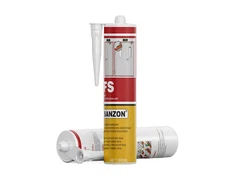
As a supplier of High Quality Weatherproof Silicone Sealant, I often encounter questions from customers regarding the technical specifications of our products. One of the most frequently asked questions is about the water - vapor transmission rate (WVTR) of our high - quality weatherproof silicone sealant. In this blog post, I will delve into what the water - vapor transmission rate is, why it matters for weatherproof silicone sealants, and what the WVTR of our product means for your projects.

Understanding Water - Vapor Transmission Rate
The water - vapor transmission rate is a measure of the amount of water vapor that can pass through a material over a specific period under defined conditions. It is typically expressed in units such as grams per square meter per 24 hours (g/m²/24h). This metric is crucial in various industries, especially in construction and manufacturing, where materials need to prevent or control the passage of moisture.
Water vapor is a gas that exists in the air, and it can penetrate materials, causing issues such as mold growth, corrosion, and damage to the structural integrity of buildings. For a weatherproof silicone sealant, a low WVTR indicates that the sealant is effective at blocking the passage of water vapor, which is essential for maintaining a dry and protected environment.
Why WVTR Matters for Weatherproof Silicone Sealants
Weatherproof silicone sealants are used in a wide range of applications, including sealing joints in buildings, windows, and doors. These applications are exposed to different weather conditions, including rain, humidity, and temperature changes. A high - quality weatherproof silicone sealant with a low WVTR can provide several benefits:
Protection Against Moisture - Related Damage
By preventing the passage of water vapor, our sealant helps to protect the underlying structures from moisture - related damage. For example, in a building's exterior joints, a low - WVTR sealant can prevent water vapor from seeping into the walls, which could lead to the growth of mold and mildew. This not only protects the health of the building's occupants but also extends the lifespan of the building materials.
Energy Efficiency
A sealant with a low WVTR can also contribute to energy efficiency. When water vapor is blocked from entering a building, it helps to maintain a stable indoor temperature. This reduces the need for heating and cooling systems, leading to lower energy consumption and cost savings.
Durability
Moisture can cause the degradation of many building materials over time. A weatherproof silicone sealant with a low WVTR acts as a barrier, protecting the materials from the harmful effects of moisture. This enhances the durability of the sealed joints and the overall structure, reducing the need for frequent repairs and replacements.
The WVTR of Our High Quality Weatherproof Silicone Sealant
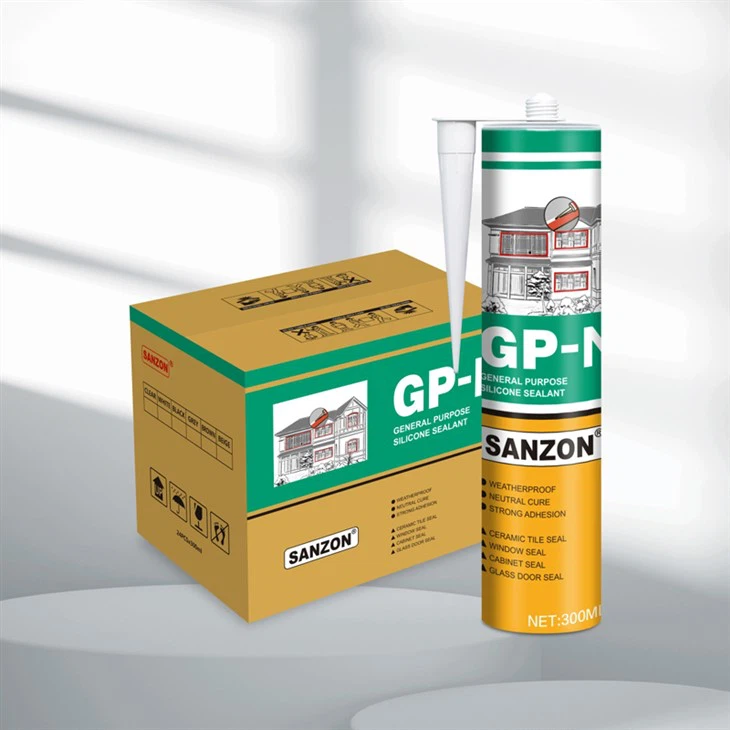
Our High Quality Weatherproof Silicone Sealant is formulated to have an extremely low water - vapor transmission rate. Through rigorous testing in our state - of - the - art laboratories, we have determined that the WVTR of our sealant is significantly lower compared to many other products on the market.
This low WVTR is achieved through a combination of high - quality raw materials and advanced manufacturing processes. Our silicone sealant contains special additives that enhance its moisture - blocking properties, ensuring that it provides long - lasting protection against water vapor.
Applications and Benefits in Different Scenarios
Door and Window Sealing
When it comes to Door and Window Sealant, our high - quality weatherproof silicone sealant with a low WVTR is the ideal choice. It creates a tight seal around doors and windows, preventing water vapor from entering the building. This not only keeps the interior dry and comfortable but also improves the energy efficiency of the building by reducing air leakage.
Kitchen and Bathroom Applications
In kitchens and bathrooms, where moisture levels are high, the use of a sealant with a low WVTR is crucial. Our Anti - mildew Sealant for Kitchen and Bathroom not only resists the growth of mold and mildew but also effectively blocks water vapor. This helps to maintain a clean and healthy environment in these areas, protecting the walls and fixtures from moisture damage.
How Our Sealant Compares to Competitors
In the market, there are many silicone sealants available, but not all of them offer the same level of performance in terms of WVTR. Our High Quality Weatherproof Silicone Sealant stands out due to its superior moisture - blocking capabilities.
We have conducted independent comparative tests, and the results show that our sealant has a much lower WVTR than many of our competitors. This means that our customers can rely on our product to provide better protection against moisture, even in the most challenging weather conditions.
Factors Affecting the WVTR of Silicone Sealants
Several factors can affect the water - vapor transmission rate of silicone sealants. These include:
Temperature
Higher temperatures generally increase the WVTR of materials, including silicone sealants. As the temperature rises, the kinetic energy of the water vapor molecules increases, making it easier for them to pass through the sealant. However, our high - quality weatherproof silicone sealant is designed to maintain its low WVTR even at elevated temperatures, thanks to its advanced formulation.
Humidity
The relative humidity of the environment also plays a role in the WVTR. Higher humidity levels mean there is more water vapor in the air, which can increase the driving force for water vapor to penetrate the sealant. Our sealant is engineered to perform well in a wide range of humidity conditions, providing consistent protection against moisture.
Sealant Thickness
The thickness of the sealant layer can affect the WVTR. Generally, a thicker layer of sealant will have a lower WVTR because it provides a longer path for the water vapor to travel through. Our installation guidelines recommend an optimal thickness to ensure the best performance of our sealant.
Quality Assurance and Testing
We are committed to providing our customers with the highest - quality products. To ensure the reliability of our High Quality Weatherproof Silicone Sealant, we conduct extensive testing at every stage of the manufacturing process.
Our sealant is tested for WVTR using industry - standard methods in accredited laboratories. We also perform long - term durability tests to simulate real - world conditions and ensure that our product will maintain its performance over time. By adhering to strict quality control measures, we can guarantee that our customers receive a sealant that meets or exceeds their expectations.
Conclusion
The water - vapor transmission rate is a critical factor when choosing a weatherproof silicone sealant. Our High Quality Weatherproof Silicone Sealant offers a low WVTR, providing excellent protection against moisture - related damage, energy efficiency, and durability. Whether you are sealing doors and windows or working on kitchen and bathroom projects, our sealant is the perfect solution.
If you are interested in learning more about our High Quality Weatherproof Silicone Sealant or would like to discuss your specific project requirements, please feel free to contact us. We are here to assist you with your procurement needs and provide you with the best sealing solutions.
References
- ASTM International. (20XX). Standard Test Method for Water Vapor Transmission of Materials. ASTM E96.
- ISO Standards. (20XX). Determination of Water Vapor Transmission Rate. ISO 15106.
- Building Science Corporation. (20XX). Moisture Control in Buildings. Technical Report.
Send Inquiry