




What is the impact of dust on the bonding of Neutral Bonding Silicone Sealant?
Jan 08, 2026
Leave a message
Hey there! As a supplier of Neutral Bonding Silicone Sealant, I've seen firsthand how different factors can affect the performance of our products. One question that often comes up is: What is the impact of dust on the bonding of Neutral Bonding Silicone Sealant? Let's dig into this topic and find out.
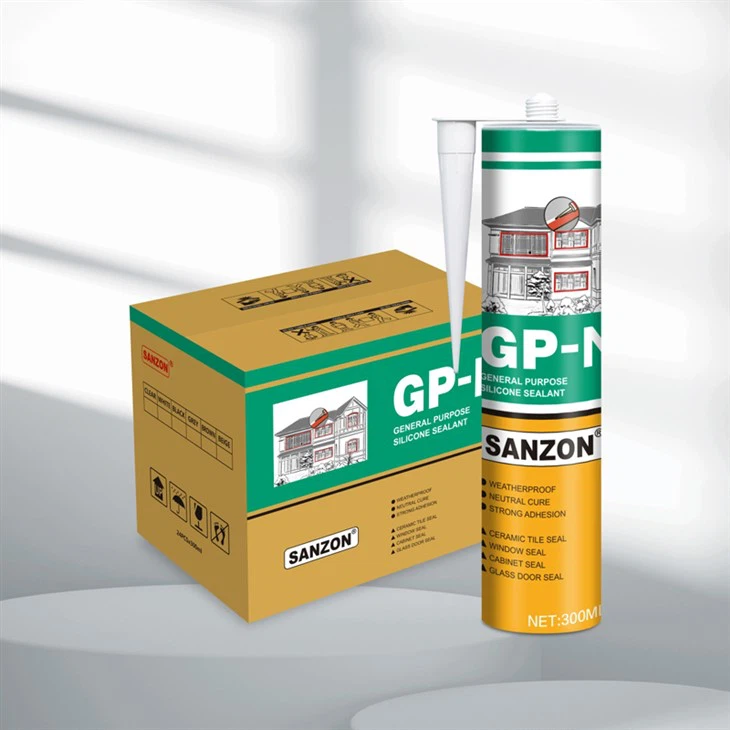
First off, let's understand what Neutral Bonding Silicone Sealant is. It's a super - useful product that can bond a variety of materials, like glass, metal, and plastics. You can find our high - quality option here: High Quality Weatherproof Silicone Sealant. It's known for being weatherproof and having good adhesion. But when it comes to dust, things get a bit tricky.
Dust is everywhere. It settles on surfaces, and if we're not careful, it can end up between the sealant and the material we're trying to bond. When dust particles are present on the bonding surface, they act as a barrier. Think of it like trying to glue two pieces of paper together with a layer of sand in between. The glue can't make a proper connection.

The impact on the bonding strength is significant. The dust prevents the sealant from directly contacting the surface molecules of the substrate. This means that the chemical and physical bonds that the sealant is supposed to form can't develop fully. As a result, the bond between the sealant and the material is weaker. You might notice that the sealant doesn't hold as well over time, and it could start to peel or come loose.
Another problem is that dust can change the surface texture. A smooth, clean surface is ideal for the sealant to spread evenly and form a strong bond. But when dust is there, it creates an uneven surface. This unevenness makes it harder for the sealant to wet the surface properly. Wetting is crucial because it allows the sealant to flow into the tiny pores and irregularities on the surface, increasing the contact area and thus the bonding strength.
In terms of long - term durability, a bond affected by dust is more likely to fail. Environmental factors like temperature changes, humidity, and mechanical stress can put additional strain on a weak bond. For example, when the temperature rises, materials expand. If the sealant bond is already weak due to dust, it can't withstand the expansion forces, and cracks or separations may occur.
Now, let's talk about how to deal with this problem. Before applying the Neutral Bonding Silicone Sealant, surface preparation is key. You need to clean the surface thoroughly to remove dust. A simple way is to use a dry cloth to wipe off the visible dust. For a more thorough clean, you can use a mild detergent and water solution, followed by a rinse and a dry with a clean cloth.
If you're working in a dusty environment, it's a good idea to use a vacuum cleaner to suck up the dust. This can be especially useful in construction sites or industrial settings where there's a lot of airborne dust. And make sure to let the surface dry completely before applying the sealant. Any moisture left on the surface can also affect the bonding.
We also offer other products that can be used in conjunction with our sealant. For example, PU Foam can be used for filling gaps and providing additional support. And if you need a high - tack option, check out HIGH TACK Sealant.
In conclusion, dust can have a really negative impact on the bonding of Neutral Bonding Silicone Sealant. It weakens the bond, reduces the durability of the seal, and can lead to premature failure. But by taking the right steps to clean the surface before application, you can ensure that the sealant works as effectively as possible.
If you're in the market for high - quality sealants and want to learn more about how our products can meet your needs, don't hesitate to reach out and start a procurement discussion. We're always here to help you find the best solutions for your projects.
References
- ASTM International standards on sealant testing and surface preparation.
- Industry research papers on the impact of contaminants on adhesive bonding.
Send Inquiry