


Is fireproof sealant easy to clean up if spilled?
Jan 05, 2026
Leave a message
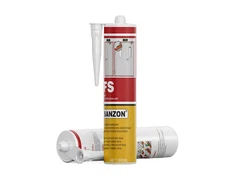
Hey there! As a supplier of fireproof sealant, I often get asked a bunch of questions from customers. One question that pops up quite a bit is, "Is fireproof sealant easy to clean up if spilled?" Well, let's dig into this topic and find out the real deal.
First off, let's understand what fireproof sealant is. Fireproof sealant is a crucial product used in many construction and renovation projects. It's designed to prevent the spread of fire and smoke by sealing gaps and joints in buildings. Whether it's around pipes, electrical outlets, or in walls and floors, fireproof sealant plays a vital role in keeping our spaces safe.
Now, let's talk about spills. Spills happen, even in the most careful of projects. So, how easy is it to clean up fireproof sealant when it gets where it's not supposed to? The answer isn't a simple yes or no. It depends on a few factors.
Factors Affecting Clean - up
1. Type of Fireproof Sealant
There are different types of fireproof sealants out there, like silicone - based, latex - based, and polyurethane - based. Silicone - based fireproof sealants are known for their durability and flexibility. However, they can be a bit of a pain to clean up once they've dried. They form a tough, rubbery layer that sticks to surfaces. If you spill silicone fireproof sealant on a smooth surface like glass or metal, you might be able to scrape off the excess while it's still wet. But once it dries, you'll probably need a solvent specifically designed for silicone removal.
Latex - based fireproof sealants, on the other hand, are generally easier to clean up. They're water - soluble when wet, so you can usually just wipe them up with a damp cloth or rinse them off with water. But if they dry, you might have to use a mild soap and water solution to get them off.
Polyurethane - based fireproof sealants are strong and have excellent adhesion. When wet, they can be cleaned up with a suitable solvent. But once they cure, they become very hard and difficult to remove. You might need to use a sharp tool to scrape them off, which can damage the surface underneath.
2. Surface Material
The surface where the sealant is spilled also matters a lot. If it's spilled on a porous surface like wood or concrete, it can seep into the pores and be really hard to get out completely. For example, if you spill fireproof sealant on a wooden floor, it might soak into the wood fibers. You can try sanding the surface to remove the sealant, but this can be time - consuming and might damage the wood.
On non - porous surfaces like tile or plastic, it's usually easier to clean up. You can often scrape off the wet sealant with a putty knife or a similar tool. And if it's a latex - based sealant, a simple wipe with a damp cloth might do the trick.
3. Time of Clean - up
The sooner you clean up a spill, the easier it will be. If you catch the spill while the sealant is still wet, you can usually remove most of it with minimal effort. For example, if you notice a spill of latex fireproof sealant on a countertop right away, you can just grab a paper towel and blot it up. But if you let it sit for hours or days, it will dry and harden, making the clean - up process much more difficult.
Tips for Cleaning Up Fireproof Sealant Spills
While the Sealant is Wet
- Use a Cloth or Paper Towel: If the spill is small, you can blot it up with a cloth or paper towel. Press down firmly to absorb as much of the sealant as possible.
- Scrape with a Tool: For larger spills, use a putty knife or a plastic scraper to scrape off the excess sealant. Be careful not to scratch the surface.
- Rinse with Water (for Latex - based Sealants): If it's a latex - based fireproof sealant, rinse the area with water to remove any remaining residue.
After the Sealant has Dried
- Use a Solvent: For silicone and polyurethane - based sealants, you'll need a solvent. There are many commercial solvents available for sealant removal. Make sure to follow the instructions on the solvent carefully and use it in a well - ventilated area.
- Scrape Gently: If the sealant has formed a hard layer, you can try to scrape it off gently with a sharp tool. But be very careful not to damage the surface.
- Sand (for Porous Surfaces): On porous surfaces like wood, sanding might be necessary to remove the dried sealant. Start with a coarse - grit sandpaper and then move to a finer - grit to smooth the surface.
Our Other Sealant Products
At our company, we don't just offer fireproof sealant. We also have a range of other high - quality sealant products. Check out our Door and Window Sealant. It's perfect for sealing gaps around doors and windows, keeping out drafts and moisture.
If you're looking for something for your kitchen or bathroom, our Anti - mildew Sealant for Kitchen and Bathroom is a great choice. It prevents the growth of mold and mildew, keeping your kitchen and bathroom clean and fresh.
And for those projects that require filling large gaps, our PU Foam is a top - notch option. It expands to fill the space and provides excellent insulation.
Conclusion
So, is fireproof sealant easy to clean up if spilled? It really depends on the type of sealant, the surface it's spilled on, and how quickly you clean it up. But with the right techniques and tools, you can usually get the job done.


If you're in the market for fireproof sealant or any of our other sealant products, don't hesitate to reach out to us. We're here to help you with your sealing needs and provide you with the best products and advice. Whether you're a professional contractor or a DIY enthusiast, we've got you covered. Contact us today to start your procurement process and let's work together to make your projects a success!
References
- "Sealant Application and Removal Guide", Construction Materials Handbook
- "Fireproofing in Buildings: Principles and Practices", Building Safety Journal
Send Inquiry