




How to store white acrylic sealant?
Jan 06, 2026
Leave a message
As a supplier of White Acrylic Sealant, I understand the importance of proper storage for maintaining the quality and performance of this product. White acrylic sealant is a versatile material used in various applications, such as sealing joints in construction, caulking gaps around windows and doors, and even in some DIY projects. In this blog post, I will share some scientific and practical tips on how to store white acrylic sealant effectively.
Understanding the Composition of White Acrylic Sealant
Before delving into storage methods, it's essential to understand what white acrylic sealant is made of. White acrylic sealant typically consists of acrylic polymers, water, and various additives. The acrylic polymers provide the sealant with its adhesive and elastic properties, while water acts as a carrier for the polymers during application. Additives are used to enhance characteristics such as adhesion, durability, and resistance to weathering and mildew.
The composition of the sealant has a significant impact on its storage requirements. For example, since water is a component, improper storage can lead to issues like evaporation or freezing, which can affect the sealant's consistency and performance.
Ideal Storage Conditions
Temperature
Temperature is one of the most critical factors in storing white acrylic sealant. The ideal temperature range for storage is between 5°C and 30°C (41°F and 86°F). Temperatures below 5°C can cause the water in the sealant to freeze, which can break down the structure of the acrylic polymers. When this happens, the sealant may lose its elasticity and adhesive properties, and its consistency may become lumpy.
On the other hand, temperatures above 30°C can accelerate the evaporation of water from the sealant. This can lead to premature curing, making the sealant thicker and less workable. In extreme cases, the sealant may harden inside the container, rendering it useless.
To maintain the right temperature, store the sealant in a climate - controlled environment. If you don't have access to a climate - controlled storage facility, try to keep the sealant in a shaded area away from direct sunlight and heat sources such as radiators or heaters.
Humidity
Humidity also plays a crucial role in the storage of white acrylic sealant. High humidity can cause the sealant to absorb moisture from the air, which can affect its curing process and long - term performance. Excessive moisture can lead to the growth of mold and mildew on the surface of the sealant, especially if it contains organic additives.
Aim to store the sealant in an area with a relative humidity of 40% - 60%. If the storage area has high humidity, you can use dehumidifiers to reduce the moisture level. Conversely, in very dry conditions, the sealant may dry out faster, so you may need to use a humidifier to maintain the appropriate humidity level.
Light Exposure
Exposure to direct sunlight and ultraviolet (UV) light can cause the white acrylic sealant to degrade over time. UV light can break down the acrylic polymers, leading to discoloration, loss of elasticity, and reduced adhesive strength.
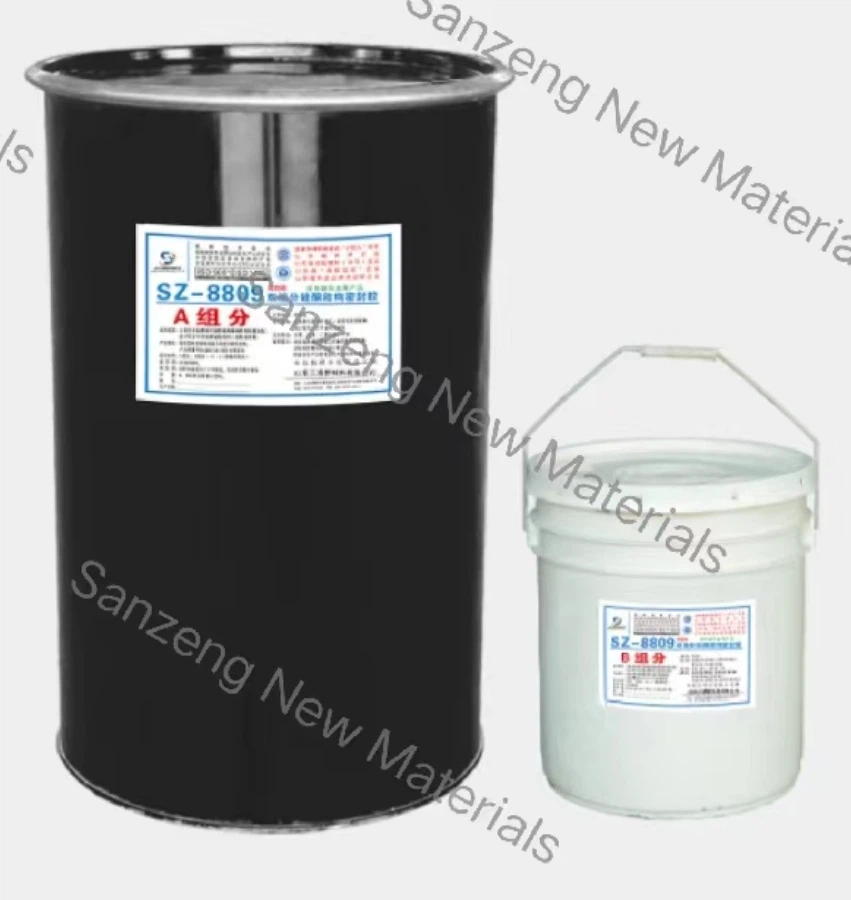

To protect the sealant from light, store it in opaque containers or in a dark storage area. If the sealant comes in a clear or translucent container, consider wrapping it in a dark plastic bag or storing it in a cardboard box.
Storage Containers
The choice of storage container is also important for preserving the quality of white acrylic sealant.
Original Containers
It's generally best to store the sealant in its original container. The original containers are designed to be airtight and are often made of materials that are resistant to the chemicals in the sealant. They also usually have labels with important information such as the product name, batch number, and expiration date.
Make sure the lid or cap of the original container is tightly closed after each use. This prevents air, moisture, and dust from entering the container and affecting the sealant.
Transfer to Other Containers
In some cases, you may need to transfer the sealant to another container. If you do this, choose a container that is airtight, made of a suitable material (such as plastic or glass), and clean. Avoid using containers that have previously held chemicals or substances that could contaminate the sealant.
Handling and Rotation
Proper handling and rotation of the sealant stock are important to ensure that the oldest products are used first.
Handling
When handling the sealant containers, be careful not to drop or damage them. A damaged container can allow air and moisture to enter, which can spoil the sealant. Also, avoid shaking the container vigorously, as this can introduce air bubbles into the sealant, affecting its performance.
Rotation
Implement a first - in - first - out (FIFO) system for your sealant stock. This means that the sealant that has been in storage the longest should be used first. This helps to prevent the sealant from reaching its expiration date while still in storage.
Special Considerations for Different Types of White Acrylic Sealants
Some white acrylic sealants may have special storage requirements depending on their specific formulations. For example, Anti - mildew Sealant for Kitchen and Bathroom may need to be stored in a more hygienic environment to maintain its anti - mildew properties. Sealants with added fire - retardant or high - temperature resistant properties may also have different temperature and humidity requirements compared to standard white acrylic sealants.
It's important to read the product datasheet and follow the manufacturer's instructions for storage to ensure the best performance of these specialized sealants.
What to Do If the Sealant Has Been Improperly Stored
If you suspect that your white acrylic sealant has been stored improperly, there are a few steps you can take:
Check the Consistency
If the sealant has been exposed to extreme temperatures, check its consistency. If it has become too thick or lumpy, you can try gently stirring it to see if you can restore its original consistency. However, if the sealant has completely hardened or separated, it is likely unusable and should be discarded.
Test the Adhesive Properties
Before using the sealant, perform a small test on a scrap material to check its adhesive properties. Apply a small amount of the sealant and see if it adheres well to the surface and forms a proper seal. If the adhesive strength is significantly reduced, it may not be suitable for your intended application.
Conclusion
Proper storage of white acrylic sealant is essential for maintaining its quality, performance, and longevity. By following the tips outlined in this blog post, you can ensure that your sealant remains in optimal condition for use in a variety of applications.
As a reliable supplier of high - quality White Acrylic Sealant and other sealing products such as Anti - mildew Sealant for Kitchen and Bathroom and Two - component Silicone Structural Adhesive, we are committed to providing our customers with not only excellent products but also professional advice on storage and usage. If you are interested in purchasing our products or have any questions regarding their storage or application, please feel free to contact us for further discussions. We look forward to helping you with your sealing needs.
References
- Product datasheets of white acrylic sealants.
- Industry standards and guidelines for sealant storage.
Send Inquiry