




How to clean the surface before applying Neutral Bonding Silicone Sealant?
Dec 05, 2025
Leave a message
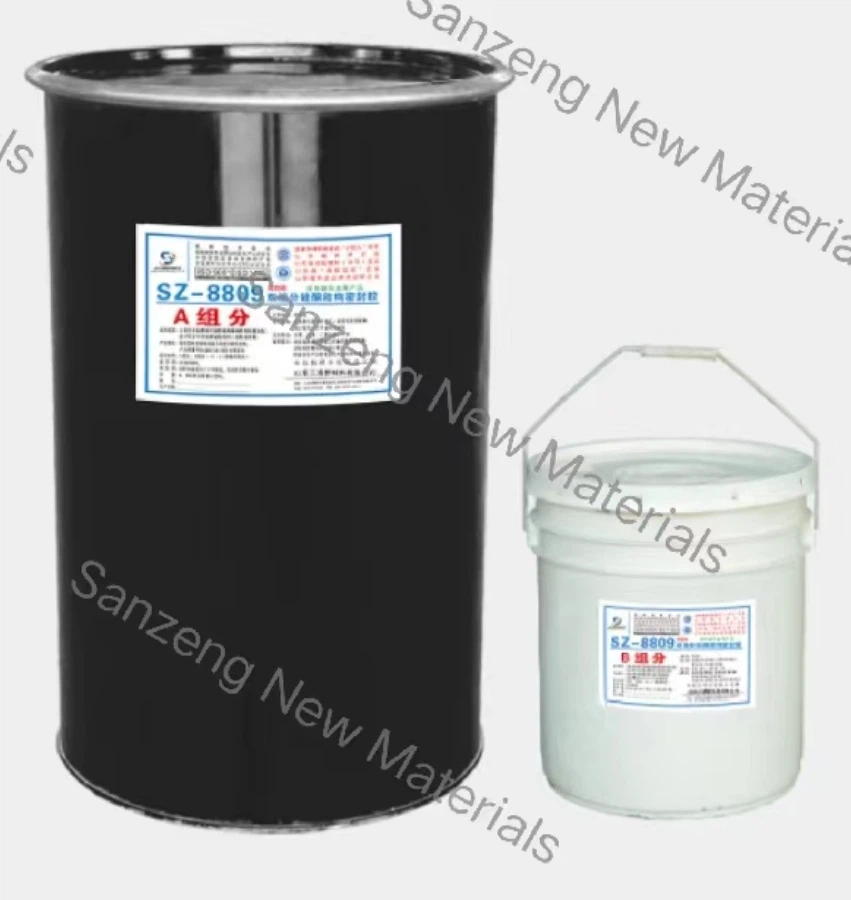
Proper surface cleaning is a crucial step before applying Neutral Bonding Silicone Sealant. As a reliable supplier of Neutral Bonding Silicone Sealant, I understand the significance of this preparatory work. A well - cleaned surface ensures optimal adhesion, durability, and performance of the sealant. In this blog, I will share detailed steps and tips on how to clean the surface effectively before using our high - quality Neutral Bonding Silicone Sealant.

Understanding the Importance of Surface Cleaning
Before delving into the cleaning process, it's essential to understand why surface cleaning is so important. When a surface is dirty, it may have contaminants such as dust, grease, oil, rust, or old paint. These contaminants can act as a barrier between the sealant and the surface, preventing proper adhesion. As a result, the sealant may not bond securely, leading to premature failure, leakage, or a weak seal. By thoroughly cleaning the surface, we create an ideal environment for the sealant to adhere firmly, enhancing the overall performance and longevity of the sealing application.
Step 1: Inspection of the Surface
The first step in the cleaning process is to inspect the surface carefully. Look for any visible signs of damage, cracks, or unevenness. Note the type of material the surface is made of, as different materials may require different cleaning methods. For example, cleaning a metal surface will be different from cleaning a concrete or plastic surface. If there are any cracks or damage, it's advisable to repair them before proceeding with the cleaning.
Step 2: Removal of Loose Debris
The next step is to remove any loose debris from the surface. This can be done using a dry brush, a vacuum cleaner, or compressed air. A dry brush is suitable for removing dust and small particles from flat surfaces. For hard - to - reach areas or surfaces with a lot of debris, a vacuum cleaner can be more effective. Compressed air is a great option for removing debris from narrow gaps or crevices. Make sure to cover any adjacent areas that you don't want to get dirty during this process.
Step 3: Cleaning Grease and Oil
Grease and oil are common contaminants that can significantly affect the adhesion of the sealant. To remove grease and oil, you can use a degreaser. There are many commercial degreasers available in the market, or you can make a homemade degreaser using mild dish soap and water. Apply the degreaser to the surface using a clean cloth or a sponge, and then scrub the surface gently. Make sure to cover the entire area where the sealant will be applied. After scrubbing, rinse the surface thoroughly with clean water to remove any remaining degreaser.
Step 4: Removing Rust and Oxidation
If the surface is made of metal and has rust or oxidation, it's important to remove them. Rust and oxidation can prevent the sealant from bonding properly. You can use a wire brush, sandpaper, or a chemical rust remover to remove rust. A wire brush is suitable for removing light rust, while sandpaper can be used for more stubborn rust. Chemical rust removers are very effective but should be used with caution as they may contain harsh chemicals. After removing the rust, clean the surface with a mild detergent and water to remove any residue.
Step 5: Cleaning Painted Surfaces
If the surface is painted, you need to be careful not to damage the paint. Use a mild detergent and water solution to clean the painted surface. Avoid using abrasive cleaners or scrubbing too hard, as this can scratch or damage the paint. If there are any old or peeling paint, it's advisable to remove it before applying the sealant. You can use a paint stripper or sandpaper to remove the old paint.
Step 6: Drying the Surface
After cleaning the surface, it's crucial to dry it completely. Moisture on the surface can prevent the sealant from bonding properly. You can use a clean, dry cloth to wipe the surface, or let it air - dry naturally. Make sure there is no moisture left on the surface before applying the Neutral Bonding Silicone Sealant.
Special Considerations for Different Surfaces
- Concrete Surfaces: Concrete surfaces may have pores that can trap dirt and moisture. In addition to the general cleaning steps, you can use a pressure washer to clean the concrete surface more thoroughly. However, be careful not to use too much pressure, as this can damage the surface. After pressure washing, let the surface dry for at least 24 hours.
- Plastic Surfaces: Plastic surfaces are often sensitive to chemicals. Use a mild soap and water solution to clean plastic surfaces. Avoid using solvents or abrasive cleaners, as they can damage the plastic.
- Glass Surfaces: Glass surfaces can be cleaned using a glass cleaner. Spray the glass cleaner on the surface and wipe it with a clean, lint - free cloth. Make sure to remove any streaks or residue.
Additional Tips
- Use Protective Gear: When using chemicals such as degreasers or rust removers, wear protective gloves, goggles, and a mask to protect yourself from potential hazards.
- Test the Cleaning Method: Before applying the cleaning method to the entire surface, test it on a small, inconspicuous area to make sure it doesn't damage the surface.
- Follow the Manufacturer's Instructions: Always follow the manufacturer's instructions for the cleaning products and the Neutral Bonding Silicone Sealant.
Related Products
If you are interested in other types of sealants, we also offer a wide range of products, such as Polyurethane Sealants for Construction, Two - component Silicone Structural Adhesive, and Anti - mildew Sealant for Kitchen and Bathroom. These products are designed to meet different sealing needs in various applications.
Conclusion
Cleaning the surface before applying Neutral Bonding Silicone Sealant is a critical step that should not be overlooked. By following the steps and tips outlined in this blog, you can ensure that the surface is properly prepared, which will result in a strong, durable, and long - lasting seal. If you have any questions about surface cleaning or our Neutral Bonding Silicone Sealant, or if you are interested in purchasing our products, please feel free to contact us for further discussion and procurement negotiation.
References
- ASTM International. Standard practices for surface preparation before sealant application.
- Sealant Manufacturer's Technical Manuals.
Send Inquiry