


How to check the quality of a silicone cartridge?
Jan 21, 2026
Leave a message
As a seasoned supplier of silicone cartridges, I understand the critical importance of ensuring the quality of these products. Silicone cartridges are widely used in various industries, from construction to automotive, and their quality can significantly impact the performance and longevity of the end applications. In this blog post, I will share some essential tips on how to check the quality of a silicone cartridge.
1. Visual Inspection
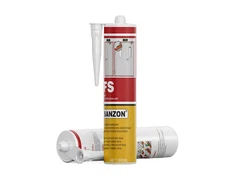
The first step in assessing the quality of a silicone cartridge is a thorough visual inspection. Start by examining the cartridge's exterior. Look for any signs of damage, such as cracks, dents, or leaks. A damaged cartridge can compromise the integrity of the silicone inside and lead to issues during application.
Check the label on the cartridge. It should clearly indicate the product name, brand, type of silicone (e.g., neutral cure, acidic cure), expiration date, and any relevant safety information. Make sure the label is legible and firmly attached to the cartridge.
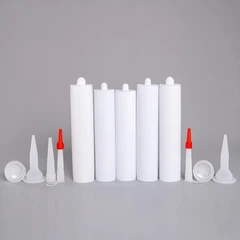
Inspect the nozzle of the cartridge. It should be clean, free of debris, and properly sealed. A clogged or damaged nozzle can make it difficult to dispense the silicone evenly and may affect the quality of the application.
2. Physical Properties
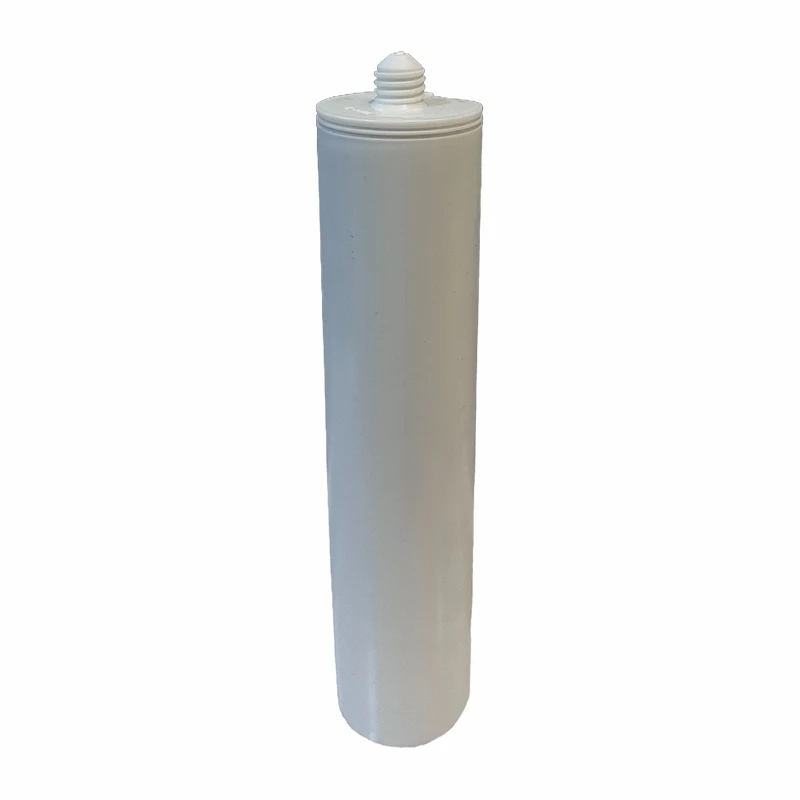
The physical properties of the silicone inside the cartridge are crucial indicators of its quality. One of the most important properties to consider is the consistency of the silicone. It should have a smooth, uniform texture without any lumps or granules. You can test the consistency by gently squeezing the cartridge. The silicone should flow out smoothly and evenly.

Another important physical property is the viscosity of the silicone. Viscosity refers to the thickness or resistance to flow of the silicone. The appropriate viscosity depends on the specific application. For example, a higher viscosity silicone may be suitable for vertical applications, while a lower viscosity silicone may be better for filling gaps or joints. You can check the viscosity by comparing the flow rate of the silicone with the manufacturer's specifications.
The color of the silicone can also provide some clues about its quality. Most silicone cartridges come in a standard color, such as clear, white, or black. The color should be consistent throughout the cartridge, and there should be no signs of discoloration or fading.
3. Adhesion and Cohesion
Adhesion and cohesion are two important properties that determine how well the silicone will bond to the surface and hold itself together. Adhesion refers to the ability of the silicone to stick to the surface, while cohesion refers to the ability of the silicone to hold itself together.
To test the adhesion of the silicone, you can apply a small amount of the silicone to a clean, dry surface and let it cure according to the manufacturer's instructions. After the silicone has cured, try to peel it off the surface. If the silicone comes off easily, it may indicate poor adhesion. On the other hand, if the silicone tears or leaves a residue on the surface, it may indicate good adhesion.
To test the cohesion of the silicone, you can stretch a small piece of the cured silicone. If the silicone stretches easily without breaking, it may indicate good cohesion. On the other hand, if the silicone breaks or tears easily, it may indicate poor cohesion.
4. Chemical Resistance
Silicone cartridges are often used in environments where they may be exposed to various chemicals. Therefore, it is important to ensure that the silicone has good chemical resistance. Chemical resistance refers to the ability of the silicone to withstand the effects of chemicals without deteriorating or losing its properties.
To test the chemical resistance of the silicone, you can expose a small piece of the cured silicone to the relevant chemicals for a specified period of time. After the exposure, check the silicone for any signs of damage, such as swelling, cracking, or discoloration. If the silicone shows significant damage, it may not be suitable for the intended application.
5. Curing Time
The curing time of the silicone is another important factor to consider. Curing time refers to the time it takes for the silicone to harden and reach its full strength. The curing time can vary depending on the type of silicone, the temperature, and the humidity.
It is important to follow the manufacturer's instructions regarding the curing time. If the silicone is not allowed to cure properly, it may not reach its full strength and may not provide the desired performance. You can test the curing time by applying a small amount of the silicone to a clean, dry surface and monitoring its progress over time.
6. Compatibility
Before using a silicone cartridge, it is important to ensure that it is compatible with the surface and the other materials that it will come into contact with. Compatibility refers to the ability of the silicone to bond and work effectively with the surface and the other materials without causing any adverse reactions.
To test the compatibility of the silicone, you can apply a small amount of the silicone to a small area of the surface and let it cure according to the manufacturer's instructions. After the silicone has cured, check the surface for any signs of damage, such as discoloration, swelling, or cracking. If the surface shows any signs of damage, the silicone may not be compatible with the surface.
Conclusion
Checking the quality of a silicone cartridge is essential to ensure that it meets the requirements of the intended application. By following the tips outlined in this blog post, you can assess the quality of a silicone cartridge and make an informed decision when purchasing.
At our company, we are committed to providing high-quality silicone cartridges that meet the strictest standards of quality and performance. We offer a wide range of silicone cartridges, including 250ML Cartridge, 280ML Cartridge, and 2600ML Cartridge, to meet the diverse needs of our customers.
If you are interested in purchasing silicone cartridges or have any questions about our products, please feel free to contact us. We would be happy to assist you with your procurement needs and provide you with the best possible solutions.
References
- ASTM International. (2023). Standard Test Methods for Testing Room-Temperature Vulcanizing (RTV) Silicone Elastomers. ASTM D412-16a.
- Dow Corning. (2023). Silicone Sealant Technical Guide.
- Master Bond. (2023). Silicone Adhesives and Sealants.
Send Inquiry