

Can Two - component Silicone Structural Adhesive be used for fiberglass bonding?
Dec 03, 2025
Leave a message
Can Two - component Silicone Structural Adhesive be used for fiberglass bonding?
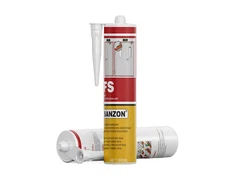
As a supplier of Two-component Silicone Structural Adhesive, I often receive inquiries from customers regarding the suitability of our product for various applications. One question that comes up frequently is whether our two - component silicone structural adhesive can be used for fiberglass bonding. In this blog post, I will explore this topic in detail, providing scientific insights and practical considerations.
Understanding Fiberglass
Fiberglass is a composite material made of fine glass fibers embedded in a polymer matrix. It is known for its high strength - to - weight ratio, corrosion resistance, and electrical insulation properties. Fiberglass products are widely used in industries such as automotive, aerospace, marine, and construction, including boat hulls, aircraft components, and building facades.
The surface of fiberglass can vary depending on the manufacturing process and the type of resin used. Some fiberglass surfaces may be smooth and non - porous, while others can be rough or have a gel coat. These surface characteristics play a crucial role in determining the effectiveness of adhesive bonding.
Properties of Two - component Silicone Structural Adhesive
Two - component silicone structural adhesives are formulated by mixing two components: a base and a curing agent. When combined, they undergo a chemical reaction that results in a strong, durable bond. These adhesives offer several advantages:


- Excellent flexibility: They can withstand significant movement and deformation without losing their bond strength. This is particularly important for applications where the bonded parts may be subject to thermal expansion, vibration, or mechanical stress.
- Weather resistance: Silicone adhesives are highly resistant to UV radiation, moisture, and extreme temperatures. They can maintain their performance in harsh outdoor environments, making them suitable for long - term use.
- Good adhesion: They can bond to a wide range of substrates, including metals, plastics, glass, and ceramics. However, the quality of the bond depends on proper surface preparation and compatibility with the substrate.
- Chemical resistance: Silicone adhesives are resistant to many chemicals, which is beneficial in applications where the bonded parts may come into contact with solvents, oils, or other corrosive substances.
Can Two - component Silicone Structural Adhesive Bond Fiberglass?
The short answer is yes, two - component silicone structural adhesive can be used for fiberglass bonding. However, several factors need to be considered to ensure a successful bond:
- Surface preparation: Proper surface preparation is essential for achieving strong adhesion. The fiberglass surface should be clean, dry, and free of any contaminants such as dust, grease, or mold release agents. A mild detergent and water can be used to clean the surface, followed by thorough rinsing and drying. In some cases, sanding the surface slightly can improve the mechanical interlocking between the adhesive and the fiberglass, enhancing the bond strength.
- Compatibility: It is important to ensure that the two - component silicone structural adhesive is compatible with the type of fiberglass resin used. Different resins may have different chemical compositions, and some adhesives may not bond well to certain types of resins. Conducting a small - scale adhesion test on a sample of the fiberglass can help determine compatibility.
- Curing conditions: The curing process of two - component silicone structural adhesives is affected by factors such as temperature and humidity. It is crucial to follow the manufacturer's instructions regarding the recommended curing conditions. In general, higher temperatures can accelerate the curing process, but extreme temperatures may also affect the final properties of the adhesive.
- Joint design: The design of the joint between the fiberglass parts can also impact the bond strength. A proper joint design should provide sufficient surface area for the adhesive to bond and should distribute the stress evenly across the joint. For example, using a lap joint or a butt joint with a fillet of adhesive can improve the load - bearing capacity of the bond.
Applications of Two - component Silicone Structural Adhesive in Fiberglass Bonding
There are numerous applications where two - component silicone structural adhesive can be effectively used for fiberglass bonding:
- Marine industry: In boat building, fiberglass components such as hulls, decks, and bulkheads need to be bonded together. Two - component silicone structural adhesives can provide a strong, waterproof bond that can withstand the harsh marine environment, including saltwater, UV radiation, and mechanical stress.
- Automotive industry: Fiberglass is used in automotive parts such as body panels, spoilers, and interior components. Two - component silicone structural adhesives can be used to bond these parts, providing a lightweight and durable alternative to traditional mechanical fasteners.
- Construction industry: Fiberglass is used in building facades, insulation panels, and other architectural elements. Two - component silicone structural adhesives can be used to bond these fiberglass components, offering a weather - resistant and aesthetically pleasing solution.
Other Considerations
In addition to the factors mentioned above, there are a few other considerations when using two - component silicone structural adhesive for fiberglass bonding:
- Safety: Always follow the safety instructions provided by the manufacturer when handling and using the adhesive. Wear appropriate personal protective equipment, such as gloves and goggles, to avoid contact with the adhesive and its vapors.
- Storage: Store the two - component silicone structural adhesive in a cool, dry place away from direct sunlight. Improper storage can affect the shelf life and performance of the adhesive.
- Alternative products: Depending on the specific application requirements, there may be alternative adhesives or bonding methods available. For example, Clear Nail - free Glue or Door and Window Sealant may be more suitable for certain types of fiberglass bonding applications. It is important to evaluate all options and choose the most appropriate product for the job.
Conclusion
Two - component silicone structural adhesive can be a viable option for fiberglass bonding, offering excellent flexibility, weather resistance, and adhesion. However, proper surface preparation, compatibility, curing conditions, and joint design are crucial for achieving a strong and durable bond. By considering these factors and following the manufacturer's instructions, you can ensure successful fiberglass bonding using our two - component silicone structural adhesive.
If you are interested in purchasing our two - component silicone structural adhesive for your fiberglass bonding applications, or if you have any further questions, please feel free to contact us for a detailed discussion and to start the procurement negotiation process. We are committed to providing high - quality products and professional technical support to meet your specific needs.
References
- ASTM D905 - 10(2015) Standard Test Method for Strength Properties of Adhesive Bonds in Shear by Compression Loading.
- ISO 4587:2003 Adhesives - Determination of tensile lap - shear strength of rigid to rigid bonded assemblies.
- "Handbook of Adhesive Technology", Second Edition, edited by Samuel Paul Sabatini, Andrew Pizzi, and Luigi Mittal.
Send Inquiry