


Can sealant be used on a gazebo?
Jan 16, 2026
Leave a message
As a sealant supplier, I often get asked various questions about the application of sealants in different scenarios. One question that has come up quite frequently lately is whether sealant can be used on a gazebo. In this blog post, I'll delve into this topic in detail, exploring the feasibility, benefits, and considerations when using sealant on a gazebo.
Understanding Gazebos and Their Needs
Gazebos are outdoor structures that serve multiple purposes, from providing a shaded area for relaxation to acting as a venue for social gatherings. They are typically made of various materials such as wood, metal, or vinyl. Regardless of the material, gazebos are constantly exposed to the elements, including rain, sunlight, wind, and temperature fluctuations. These environmental factors can cause wear and tear over time, leading to issues like leaks, rot, and corrosion.
Can Sealant Be Used on a Gazebo?
The short answer is yes, sealant can be used on a gazebo. In fact, using the right sealant can offer numerous benefits and help extend the lifespan of your gazebo. Here are some reasons why sealant is a great addition to your gazebo maintenance routine:
1. Waterproofing
One of the primary functions of a sealant is to create a waterproof barrier. This is especially important for gazebos, as they are often exposed to rain and moisture. A high - quality sealant can prevent water from seeping into the structure, which can cause rot in wooden gazebos or rust in metal ones. By keeping the gazebo dry, you can avoid costly repairs and replacements in the long run.
2. UV Protection
Sunlight contains ultraviolet (UV) rays that can damage the surface of your gazebo over time. Wood can become dry and brittle, while metal may fade or lose its luster. A sealant with UV - resistant properties can protect the gazebo from these harmful rays, maintaining its appearance and structural integrity.
3. Weather Resistance
In addition to rain and sunlight, gazebos also face other weather conditions such as wind and snow. A good sealant can withstand these elements, ensuring that the gazebo remains stable and secure. It can also prevent small cracks and gaps from expanding due to temperature changes, which could otherwise compromise the structure.
Types of Sealants Suitable for Gazebos
There are several types of sealants available on the market, and the choice depends on the material of your gazebo. Here are some common types and their suitability:
1. Silicone Sealants
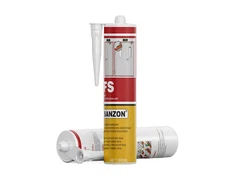
Silicone sealants are known for their excellent waterproofing and weather - resistant properties. They are flexible, which means they can expand and contract with the gazebo as it is affected by temperature changes. Silicone sealants are suitable for both metal and wooden gazebos. They can be used to seal joints, seams, and gaps, preventing water and air from entering. You can find a wide range of silicone - based Door and Window Sealant that can be used for your gazebo.
2. Polyurethane Sealants
Polyurethane sealants offer high strength and durability. They adhere well to various surfaces, including wood, metal, and plastic. Polyurethane sealants are also resistant to abrasion and chemicals, making them a good choice for gazebos that are exposed to harsh conditions. If you need a more heavy - duty option, Structural Sealants can provide the necessary support.
3. Acrylic Sealants
Acrylic sealants are easy to apply and clean up. They are water - based, which makes them environmentally friendly. Acrylic sealants are suitable for wooden gazebos, as they can enhance the natural appearance of the wood while providing protection. They are also relatively inexpensive, making them a cost - effective option for small - scale gazebo projects.
Considerations When Using Sealant on a Gazebo
While sealants can be highly beneficial for gazebos, there are some considerations to keep in mind:
1. Surface Preparation
Before applying the sealant, it is crucial to prepare the surface properly. This includes cleaning the gazebo to remove dirt, debris, and any loose paint or finish. For wooden gazebos, sanding the surface can help the sealant adhere better. A clean and smooth surface will ensure that the sealant forms a strong bond and provides optimal protection.
2. Application Method
The application method depends on the type of sealant and the area to be sealed. Some sealants come in tubes and can be applied using a caulking gun, while others may be sprayed or brushed on. It is important to follow the manufacturer's instructions carefully to ensure proper application. Over - application or uneven application can lead to a messy appearance and reduced effectiveness.
3. Compatibility
Make sure the sealant you choose is compatible with the material of your gazebo. Using an incompatible sealant can cause damage to the surface or result in poor adhesion. For example, using a sealant designed for metal on a wooden gazebo may not provide the desired results.
4. Maintenance
Sealants do not last forever. Over time, they may deteriorate due to exposure to the elements. It is important to inspect the sealant regularly and re - apply it as needed. This will ensure that the gazebo remains protected and in good condition.
Special Considerations for Different Gazebo Materials
Wooden Gazebos
Wooden gazebos are a popular choice due to their natural beauty. However, they require more maintenance compared to other materials. In addition to using a suitable sealant, you may also consider using an Anti - mildew Sealant for Kitchen and Bathroom in areas where moisture is likely to accumulate, such as near the ground or under the roof. This can prevent the growth of mold and mildew, which can damage the wood.


Metal Gazebos
Metal gazebos are durable but can be prone to rust. When using a sealant on a metal gazebo, choose one that is specifically designed for metal surfaces. A sealant with anti - corrosion properties can help protect the metal from rusting, especially in areas with high humidity or near the sea.
Vinyl Gazebos
Vinyl gazebos are relatively low - maintenance. However, a sealant can still be used to enhance their appearance and protect them from UV damage. Make sure to choose a sealant that is compatible with vinyl to avoid any discoloration or damage.
Conclusion
In conclusion, sealant can definitely be used on a gazebo, and it offers numerous benefits such as waterproofing, UV protection, and weather resistance. By choosing the right type of sealant and following the proper application and maintenance procedures, you can significantly extend the lifespan of your gazebo and keep it looking great for years to come.
If you are interested in purchasing sealants for your gazebo or have any questions about our products, we encourage you to contact us for a detailed discussion. Our team of experts is always ready to assist you in finding the best sealant solution for your specific needs.
References
- Manufacturer's product specifications for various sealants
- Industry standards for outdoor structure protection
- Research on the effects of weather on different gazebo materials
Send Inquiry