




Can door and window sealant be used on sliding glass doors?
Jan 19, 2026
Leave a message
Hey there! As a supplier of door and window sealant, I often get asked a bunch of questions about where and how our products can be used. One question that pops up quite a bit is, “Can door and window sealant be used on sliding glass doors?” Today, I'm gonna dive deep into this topic and give you all the info you need.
Understanding Sliding Glass Doors
First off, let’s talk about what sliding glass doors are and what makes them unique. Sliding glass doors are a popular choice for homes and commercial buildings. They offer a great way to let in natural light, provide a view of the outdoors, and connect indoor and outdoor spaces. But they also come with their own set of challenges when it comes to sealing.
These doors have moving parts. The glass slides on tracks, which means there are gaps between the glass panels, the frames, and the tracks. These gaps can let in all sorts of stuff: dirt, dust, water, and even bugs. And in colder months, they can cause heat loss, making your energy bills go up. So, properly sealing these doors is super important.

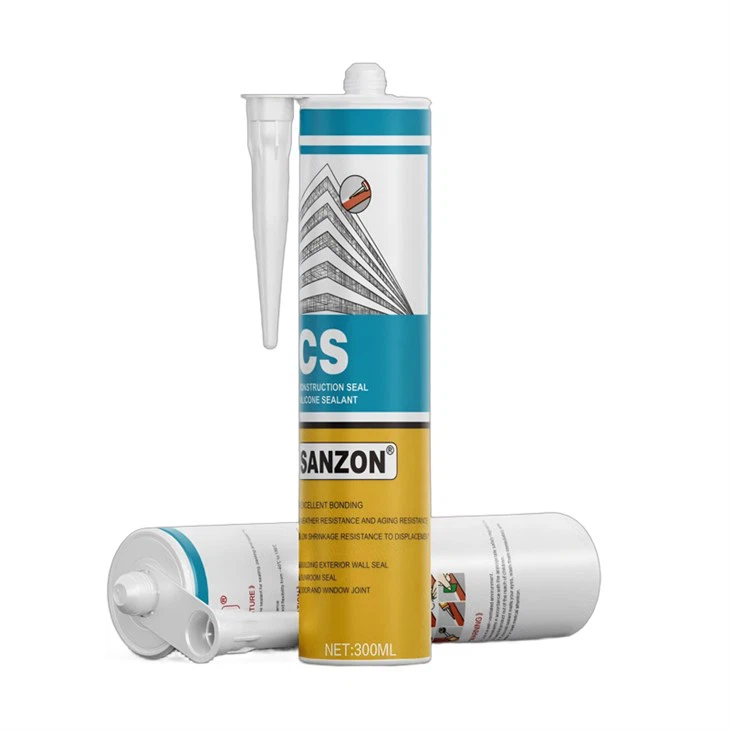
The Role of Door and Window Sealant
Now, what exactly does door and window sealant do? Well, in simple terms, it fills those gaps and creates a barrier. It stops air and water from getting in (or out), which helps with insulation and keeps your place dry. It also keeps pests at bay and can even add a bit of structural support.
There are different types of sealants out there, and each has its own properties. Some are more flexible, which is great for areas that move or expand and contract with temperature changes. Others are more rigid and offer better durability. You gotta pick the right one for the job.
Can You Use Door and Window Sealant on Sliding Glass Doors?
The short answer is yes, you can use door and window sealant on sliding glass doors. But there are a few things you need to keep in mind.
Compatibility
Not all sealants are created equal. You need to make sure the sealant you choose is compatible with the materials used in your sliding glass doors. Most sliding glass doors have glass panels and metal or vinyl frames. You want a sealant that will stick well to these materials and won't cause any damage over time.
For example, Silicone Sealant General Purpose is a great option. Silicone sealants are known for their excellent adhesion to glass and many other materials. They're also very flexible, which is important since sliding glass doors expand and contract with temperature changes. They can withstand a wide range of temperatures without cracking or losing their seal.
Functionality
When sealing sliding glass doors, you need to consider the functionality of the door. The sealant shouldn't interfere with the sliding mechanism. You don't want it to make the door hard to open or close. That's why you need to apply the sealant carefully.
You should focus on sealing the areas around the edges of the glass panels, where they meet the frames, and along the tracks. You can use a HIGH TACK Sealant for these areas. High tack sealants have a strong adhesive force, which means they'll stick well and stay in place, even with the movement of the door.
Weather Resistance
Since sliding glass doors are often exposed to the elements, the sealant you use needs to be weather-resistant. It should be able to handle rain, snow, sunlight, and extreme temperatures. Structural Sealants are a good choice here. They're designed to provide long-term protection against the elements and maintain their integrity over time.
How to Apply Sealant on Sliding Glass Doors
Now that you know you can use sealant on sliding glass doors and which type to choose, let's talk about how to apply it.
Step 1: Clean the Surface
Before you apply any sealant, you need to clean the surfaces you're going to seal. Use a mild detergent and water to remove any dirt, dust, or grease. Dry the surfaces thoroughly. This will ensure that the sealant adheres properly.
Step 2: Prepare the Sealant
Follow the manufacturer's instructions to prepare the sealant. Some sealants come in cartridges that need to be loaded into a caulking gun. Others may need to be mixed before use.
Step 3: Apply the Sealant
Cut the tip of the sealant cartridge at a 45-degree angle. The size of the opening will depend on the width of the gap you're sealing. Apply the sealant in a continuous bead along the gap. Use a putty knife or a sealant smoothing tool to smooth the sealant and remove any excess.
Step 4: Let it Cure
Let the sealant cure according to the manufacturer's instructions. This usually takes a few hours to a few days, depending on the type of sealant and the environmental conditions.
Benefits of Sealing Sliding Glass Doors
Sealing your sliding glass doors with the right sealant has several benefits.
Energy Efficiency
By sealing the gaps around your sliding glass doors, you can prevent air leakage. This means your heating and cooling systems don't have to work as hard to maintain a comfortable temperature in your home. As a result, you'll save on energy bills.
Comfort
A well-sealed door keeps out drafts, cold air in the winter, and hot air in the summer. This makes your living space more comfortable year-round.
Protection
Sealant protects your sliding glass doors from water damage, which can lead to mold and mildew growth. It also keeps out dirt, dust, and bugs, which can make your home cleaner and more pleasant to live in.
Conclusion
So, to sum it up, yes, you can use door and window sealant on sliding glass doors. Just make sure you choose the right type of sealant, apply it correctly, and enjoy the benefits of a well-sealed door.
If you're in the market for high-quality door and window sealant for your sliding glass doors or any other application, we've got you covered. We offer a wide range of sealants that are designed to meet your specific needs. Whether you need a flexible silicone sealant or a durable structural sealant, we have the product for you.
If you have any questions or want to discuss your sealant requirements, feel free to reach out to us. We're always happy to help and look forward to working with you on your next project.
References
- General knowledge about door and window sealing from industry experience.
- Manufacturer's guidelines for various sealant products.
Send Inquiry