





Solar Expansion in 2026 Creates New Opportunities For High-Performance Silicone Sealants
Aug 11, 2026
Leave a message
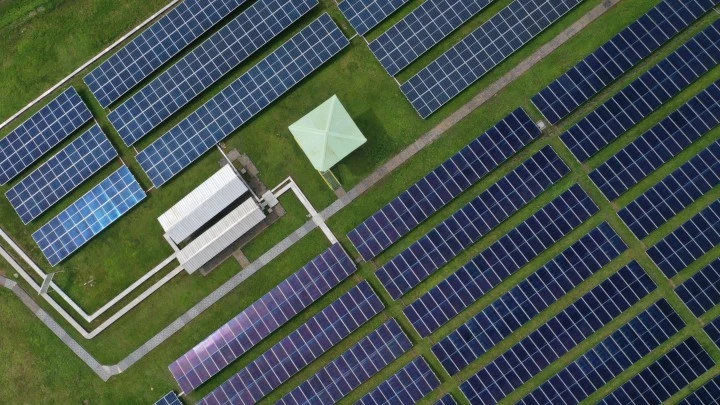
The global transition toward renewable energy continues to reshape material demand across the solar photovoltaic industry. As solar installations expand from residential rooftops to massive utility-scale power plants, manufacturers and installers are paying increasing attention to a factor that is less visible than solar cells but essential to long-term reliability: sealing and bonding.
Silicone sealants are playing an important role in protecting photovoltaic modules and related components against moisture, UV radiation, temperature cycling and outdoor environmental exposure.
In 2026, this role is becoming increasingly important as the solar industry focuses not only on installing more capacity, but also on keeping systems operating reliably for decades.
Solar Panels Face Decades of Outdoor Exposure
Unlike many electronic products, photovoltaic modules spend their entire operating life outdoors.
A module installed today may experience thousands of cycles of heating and cooling during its service life.
During summer operation, module temperatures can rise significantly. At night or during winter, temperatures fall again. Materials expand and contract repeatedly.
At the same time, systems must withstand rain, humidity, dust, wind, UV radiation and potentially corrosive environments.
These conditions create demanding requirements for sealing materials.
A suitable solar sealant must maintain adhesion and flexibility after long-term environmental exposure.
This is one reason silicone-based sealing and bonding materials continue to attract attention in photovoltaic applications.
Moisture Protection Remains Critical
Moisture is a major concern for photovoltaic equipment.
Water entering sensitive areas can contribute to corrosion, electrical problems and degradation of components.
Effective sealing helps create a barrier between sensitive parts and the external environment.
Depending on module and equipment design, silicone materials may be considered for frame sealing, junction-box bonding and sealing, cable-entry protection and other weather-exposed connections.
The goal is not simply to make a component waterproof on the day it leaves the factory.
The real challenge is maintaining that protection after years of sunlight, heat and temperature cycling.
This makes long-term adhesion and weather resistance particularly important.
UV Resistance Supports Outdoor Durability
Solar installations are intentionally positioned where they receive maximum sunlight.
That creates an obvious challenge for polymeric materials.
Continuous ultraviolet exposure can cause some materials to discolor, harden, crack or lose mechanical performance.
High-quality silicone materials are valued for their resistance to outdoor weathering and UV exposure.
For solar manufacturers and installers, this can help maintain sealing performance in exposed applications.
This characteristic becomes even more important for utility-scale installations where maintenance across thousands or millions of modules can be expensive.
Preventing premature sealing failure can therefore contribute to lower lifecycle maintenance requirements.
Temperature Cycling Requires Flexible Materials
PV modules are constructed from multiple materials including glass, aluminum, polymers, metals and electronic components.
These materials do not necessarily expand at the same rate when temperatures change.
The sealing system must accommodate this differential movement.
Flexible silicone sealants can absorb movement without creating excessive stress at bonded interfaces.
High elongation and elastic recovery can therefore be valuable properties for solar applications.
This is especially important in regions with large differences between daytime and nighttime temperatures.
Desert solar installations are a good example.
Panels may experience intense daytime heat followed by significant cooling after sunset. Repeated thermal cycling creates continuous mechanical stress.
A sealant designed for outdoor solar applications must remain stable under these conditions.
Solar Farms Create Large-Scale Material Demand
Utility-scale solar projects are expanding in many regions.
Each project may contain thousands of modules along with combiner boxes, inverters, cable connections and supporting electrical equipment.
This creates demand for reliable sealing solutions throughout the installation.
Large projects also increase the importance of application efficiency.
Contractors need materials that are easy to dispense, cure predictably and adhere consistently to specified substrates.
For sealant suppliers, this creates opportunities beyond simply selling individual cartridges.
Large-scale solar contractors may require bulk packaging, technical documentation, substrate compatibility guidance and stable production quality across multiple shipments.
Rooftop Solar Has Different Requirements
Residential and commercial rooftop installations create another market segment.
Installers may use sealants around mounting penetrations, cable entries, flashing interfaces and other weather-exposed locations depending on roof design and local installation practice.
These applications require careful compatibility with roofing materials.
A product suitable for glass bonding may not automatically be suitable for every roof substrate.
Professional installation therefore requires appropriate product selection and substrate testing.
Manufacturers that provide clear application recommendations can help distributors and installers avoid incorrect product use.
Electrical Insulation Adds Another Advantage
Silicone materials are also widely valued in electrical and electronic applications because suitable formulations can provide good dielectric properties.
Solar equipment combines outdoor exposure with electrical components, creating a demanding operating environment.
Sealants used around electrical housings and junction areas may therefore need to provide both environmental protection and electrical insulation.
This combination of properties can make silicone attractive for renewable-energy equipment.
However, formulation selection remains important.
Solar manufacturers should evaluate curing chemistry, adhesion, corrosion risk and compatibility with electrical materials before approving any sealant for production.
Buyers Are Becoming More Technical
As solar markets mature, purchasing decisions are becoming increasingly specification-driven.
Professional buyers may evaluate:
UV resistance, weather resistance, operating temperature range, elongation, adhesion, curing behavior, dielectric properties, moisture resistance and long-term reliability.
Manufacturers may also be asked to provide technical data sheets, safety information and application testing.
For suppliers, technical transparency can become an important differentiator.
Simply describing a product as "waterproof silicone" is increasingly insufficient for professional photovoltaic applications.
Buyers want to understand how the material performs under the conditions their equipment will actually experience.
Growing Solar Capacity Supports Long-Term Sealant Demand
The continued expansion of solar generation means the potential market extends beyond new module manufacturing.
Existing solar installations also require inspection, maintenance and component replacement.
Inverters, junction boxes, cable systems and other equipment may need resealing during their operating life.
This creates a long-term aftermarket alongside OEM demand.
Solar equipment manufacturers, EPC contractors, distributors and maintenance companies can therefore represent different customer groups for silicone suppliers.
Each group has different requirements.
OEM customers may prioritize automated dispensing and production consistency.
Installers may prioritize ease of application and packaging.
Maintenance teams may focus on adhesion to aged substrates and field curing.
Understanding these differences allows sealant manufacturers to position products more effectively.
Sustainability Is About Service Life as Well as Energy Generation
Renewable energy equipment is often discussed in terms of electricity generation, but material durability also contributes to sustainability.
A solar module that operates reliably for longer reduces the frequency of replacement and maintenance.
Reliable sealing can help protect sensitive components and support longer equipment service life.
For this reason, small material choices can have an outsized effect on overall system reliability.
Outlook
Solar energy is expected to remain one of the most dynamic renewable-energy sectors during the coming decade.
As installations expand, attention will increasingly shift from capacity alone toward lifetime performance.
Silicone sealants are positioned to support this transition through weather resistance, flexibility, adhesion, electrical insulation and long-term outdoor durability.
For sealant manufacturers, photovoltaic applications represent a market where product performance matters significantly more than simple commodity pricing.
For solar manufacturers and installers, selecting the right sealant is becoming part of designing systems that can survive decades of demanding outdoor conditions.
The future of solar power may be defined by larger modules, higher efficiencies and smarter power electronics, but reliable protection against water, sunlight and temperature changes will remain fundamental.
And in many solar systems, that protection begins with the seal.
Send Inquiry