

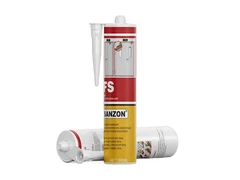


Silicone Sealant For Ventilation Duct Joints
Nov 03, 2026
Leave a message
Why duct joints need attention
A ventilation system depends on more than correctly sized fans and ducts. Leakage at seams, joints and penetrations can reduce the air delivered to occupied spaces and make system balancing harder. A suitable sealant may be one part of the joint design alongside mechanical fasteners, gaskets and other components specified by the project.
Silicone is considered for some duct details because selected formulations remain flexible and can adhere to a range of surfaces. However, not every silicone is approved for every HVAC application. Requirements may include indoor air quality, fire performance, temperature resistance and compatibility with galvanized steel, aluminum or coatings.
Match the product to the service conditions
Identify whether the joint is inside or outside the airstream, the expected operating temperature and whether condensation or cleaning chemicals may contact it. Ask the project designer and sealant supplier which product documentation applies. A fire-rated penetration or smoke-control assembly requires its own tested system; ordinary duct sealant must not be treated as a substitute.
Examine the metal finish and any protective film, oil or fabrication residue. Adhesion to bare metal does not guarantee adhesion to every coated surface. A small site or production trial on representative material is a practical way to confirm preparation and curing before work begins.
Prepare and apply consistently
Secure the ductwork first. Sealant is not a replacement for the mechanical support and joint construction required by the design. Clean and dry the bonding surfaces as directed, remove loose material and use the recommended primer only when the approved system calls for it. Where a joint is designed to move, use appropriate dimensions and backing rather than filling a deep void without guidance.
Apply a continuous bead to the specified location and tool it as recommended to contact both sides of the joint. Avoid trapping gaps at corners, fasteners and transitions. Protect the fresh sealant from disturbance while it cures; the cure time depends on product, bead size and ambient conditions.
Inspect and maintain the system
Visual inspection can identify missed sections, poor contact or damage, but it does not establish the leakage rate of the completed system. Use the project's specified inspection and testing method, and keep a record of areas that require correction. Repair materials should be compatible with the existing sealant and the duct finish.
Procurement teams can simplify installation by standardizing on approved products and sharing the same application instructions with fabricators and site crews. A documented joint detail, clear cure schedule and project-specific acceptance criteria all contribute to a more consistent ventilation installation.
Send Inquiry