

Silicone Sealant Packaging Options: Cartridge, Sausage and Bulk
Aug 04, 2026
Leave a message

Choosing the Right Packaging for Every Project
When selecting a silicone sealant, most buyers focus on technical specifications such as adhesion, curing speed, weather resistance, or compatibility with different substrates. However, one factor that significantly influences efficiency, application quality, logistics, and overall project costs is often overlooked-packaging.
Silicone sealants are commonly supplied in three packaging formats: cartridges, sausage packs, and bulk packaging. Although all three may contain the same sealant formulation, they are designed for completely different users and working environments. A homeowner sealing a bathroom sink has different requirements from a construction contractor installing hundreds of curtain wall panels, while an automated manufacturing line demands a packaging solution that supports continuous production without interruption.
Understanding the strengths of each packaging type helps distributors, contractors, manufacturers, and project managers choose the most suitable solution while reducing waste and improving productivity.
This guide explains the characteristics, applications, and advantages of cartridge, sausage, and bulk silicone sealant packaging, helping you make informed purchasing decisions for projects of every size.
Why Packaging Matters
Packaging is much more than simply containing the product. It directly affects:
Application efficiency
Material utilization
Transportation costs
Storage convenience
Waste generation
Production speed
Labor requirements
The right packaging improves installation quality while reducing operating costs throughout the project lifecycle.
Cartridge Packaging
The Most Popular Choice for Retail and Small Projects
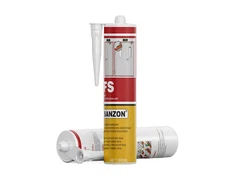
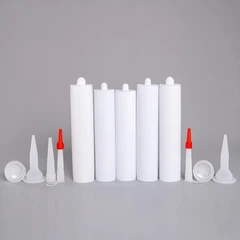
Cartridge packaging is the most familiar format worldwide. It is designed for use with a standard caulking gun, making silicone sealant easy to dispense accurately and consistently.
Typically available in 280ml, 300ml, or 310ml sizes, cartridges are widely used in retail stores, hardware chains, building material distributors, and e-commerce platforms.
Best Applications
Cartridge packaging is ideal for:
Home renovation
DIY repairs
Bathroom sealing
Kitchen installation
Window maintenance
Small construction projects
Interior decoration
Glass repair
Whether sealing a shower enclosure or repairing a window frame, cartridge packaging provides excellent control for precise bead application.
Advantages of Cartridge Packaging
Easy to Use
No special equipment is required beyond a standard sealant gun. Even first-time users can achieve professional-looking results after minimal practice.
Excellent Dispensing Control
Users can easily adjust the extrusion speed and bead size, making cartridges suitable for decorative applications where appearance is important.
Convenient Storage
Individual cartridges occupy little space and can be stored vertically or horizontally.
Ideal for Retail Sales
Because each unit is individually packaged, distributors can easily display, transport, and sell cartridges through retail channels.
Wide Product Selection
Manufacturers often supply cartridge versions of:
Acetic silicone sealant
Neutral silicone sealant
Weatherproof sealant
Structural glazing sealant
Aquarium silicone
Kitchen and bathroom silicone
Mirror adhesive
Fire-resistant silicone
Multipurpose construction sealants
Limitations
For large commercial projects, replacing empty cartridges frequently can interrupt workflow.
Each cartridge also generates a rigid plastic tube after use, increasing disposal requirements compared with other packaging formats.
Sausage Packaging
Designed for Professional Construction
Sausage packaging has become increasingly popular among professional contractors because it combines high efficiency with reduced packaging waste.
Instead of a rigid plastic tube, sausage packs use a flexible multilayer film that holds the sealant until application.
Common sizes include:
400ml
500ml
590ml
600ml
They require a dedicated sausage caulking gun but provide a much smoother workflow during large installation projects.
Typical Applications
Professional contractors commonly use sausage packaging for:
Curtain wall installation
Commercial glazing
Aluminum doors and windows
Expansion joints
Building façades
Prefabricated construction
Industrial waterproofing
Exterior sealing
Large construction sites often consume hundreds or even thousands of sealant packs every week, making productivity especially important.
Advantages of Sausage Packaging
Higher Material Utilization
Because the package collapses as the sealant is dispensed, almost all of the material can be used.
Compared with rigid cartridges, less product remains trapped inside the package.
Reduced Plastic Waste
Flexible film uses significantly less plastic than traditional cartridges.
Many construction companies prefer sausage packs as part of their sustainability initiatives.
Longer Continuous Operation
Higher volume means workers spend less time changing packages.
This improves labor efficiency on large projects.
Lightweight Transportation
Flexible packages reduce shipping weight, lowering logistics costs.
Cleaner Storage
Without bulky cartridges, transportation and warehouse management become more space-efficient.
Considerations
Although sausage packaging offers excellent productivity, it requires dedicated dispensing equipment and is generally preferred by experienced installers.
Bulk Packaging
The Preferred Solution for Industrial Production
Bulk silicone sealant is intended for automated manufacturing and high-volume industrial applications.
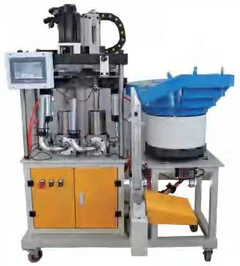
Instead of being packaged for manual dispensing, the sealant is supplied in large containers that connect directly to pneumatic or robotic dispensing systems.
Common package sizes include:
5 kg
20 kg
200 kg drums
260 kg drums
1000 kg IBC containers
Industries Using Bulk Silicone Sealants
Bulk packaging is widely used in:
Glass manufacturing
Automotive production
Solar panel assembly
LED lighting production
Household appliance manufacturing
Electronics assembly
Industrial equipment
Prefabricated building components
These industries require continuous dispensing with consistent quality throughout long production cycles.
Advantages of Bulk Packaging
Maximum Production Efficiency
Automated equipment can dispense sealant continuously with minimal interruption.
This greatly increases manufacturing output.
Lower Packaging Cost
Compared with hundreds of individual cartridges, bulk containers significantly reduce packaging materials.
Reduced Labor
Operators spend less time replacing packages, allowing production lines to run more efficiently.
Stable Dispensing
Automatic pumping systems maintain consistent pressure, producing uniform sealant beads and improving product quality.
Lower Environmental Impact
Bulk packaging minimizes packaging waste while reducing transportation frequency.
Challenges
Bulk systems require professional pumping equipment, storage management, and process control.
They are best suited to factories with stable production volumes.
Comparing the Three Packaging Options
| Feature | Cartridge | Sausage | Bulk |
|---|---|---|---|
| Typical User | DIY & Retail | Contractors | Manufacturers |
| Volume | 280–310ml | 400–600ml | 5kg–1000kg |
| Equipment | Standard Caulking Gun | Sausage Gun | Automatic Dispensing System |
| Best For | Small Repairs | Construction Projects | Continuous Production |
| Packaging Waste | Higher | Lower | Lowest |
| Productivity | Moderate | High | Very High |
| Transportation Efficiency | Good | Better | Excellent |
How to Choose the Right Packaging
Selecting the best packaging depends on several practical considerations.
Project Size
For occasional repairs or home improvement, cartridges remain the most convenient option.
Medium to large construction projects benefit from sausage packs that reduce downtime and waste.
Industrial production lines achieve maximum efficiency using bulk containers.
Application Equipment
Using existing equipment often influences purchasing decisions.
Switching packaging formats may require additional dispensing tools or pumping systems.
Environmental Goals
Companies seeking to reduce plastic consumption frequently prefer sausage or bulk packaging.
These options generate substantially less packaging waste over large projects.
Labor Efficiency
Reducing package replacement improves productivity.
Large-scale contractors often recover equipment costs through faster installation and reduced labor hours.
Packaging Trends in the Silicone Sealant Industry
As the construction and manufacturing industries continue to modernize, packaging solutions are evolving alongside product technology.
Several trends are becoming increasingly important:
Lightweight packaging materials
Reduced plastic consumption
Improved transportation efficiency
Automated dispensing compatibility
Sustainable packaging design
Smart manufacturing integration
Customized private-label packaging
Manufacturers are investing not only in better sealant formulations but also in packaging systems that improve efficiency across the entire supply chain.
Private Label and Customized Packaging
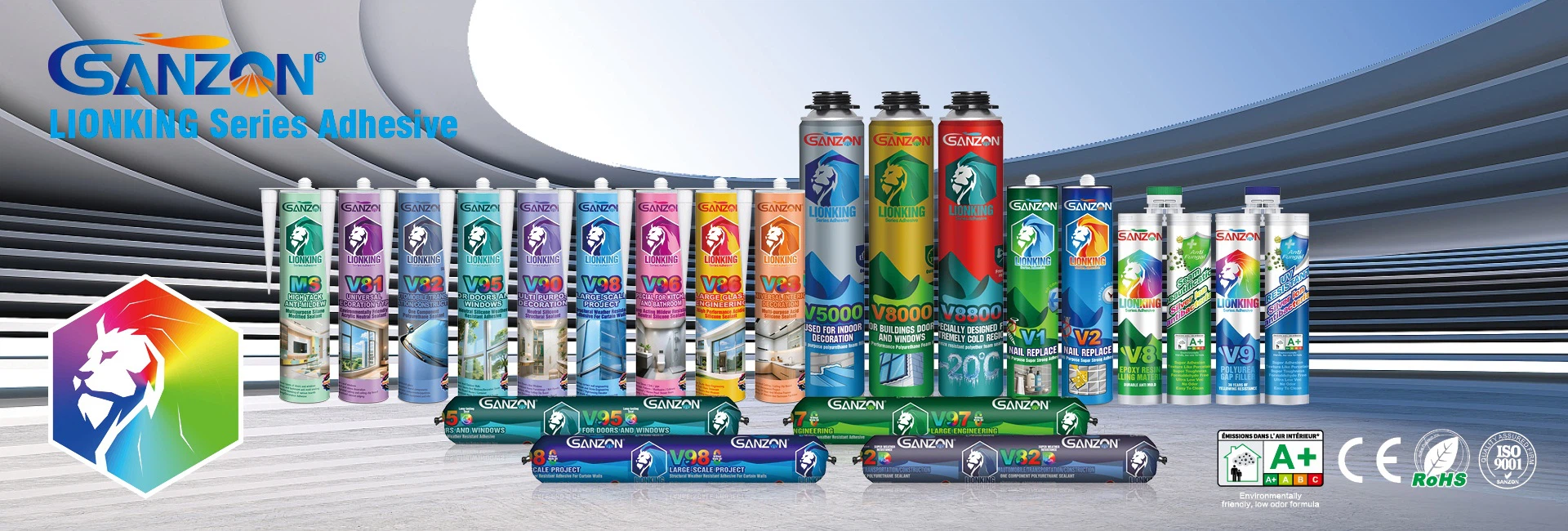
Many silicone sealant manufacturers offer customized packaging services to help distributors build stronger brands.
Available options typically include:
Private label printing
Customized tube colors
OEM and ODM packaging
Multilingual labels
Barcode printing
Custom carton design
Regional compliance labeling
Brand-specific marketing graphics
Tailored packaging enhances shelf visibility while supporting local market requirements.
Final Thoughts
Silicone sealant packaging is far more than a matter of appearance-it directly affects application efficiency, operational costs, logistics, and sustainability. Choosing the right format ensures that the product performs effectively from the warehouse to the final installation.
Cartridge packaging remains the preferred solution for retail customers, DIY users, and small maintenance projects thanks to its simplicity and ease of use. Sausage packaging offers construction professionals greater efficiency, lower waste, and improved productivity on medium and large projects. For high-volume manufacturing, bulk packaging delivers continuous dispensing, reduced labor, and optimized production performance.
Rather than asking which packaging option is best overall, the more practical question is: Which packaging best fits your application? Matching the packaging format to the project's scale, equipment, and workflow can improve efficiency, reduce waste, and lower total operating costs-making it a valuable consideration for every silicone sealant purchase.
Send Inquiry