

Protecting Data Center Equipment Cabinets with High-Performance Silicone Sealant
Jun 21, 2026
Leave a message

As digital transformation accelerates across industries, data centers have become the backbone of the global economy. From cloud computing and artificial intelligence to e-commerce, financial services, and 5G networks, businesses increasingly rely on stable and uninterrupted data processing capabilities. Behind this infrastructure, data center equipment cabinets play a vital role in protecting servers, network switches, storage systems, and power distribution equipment.
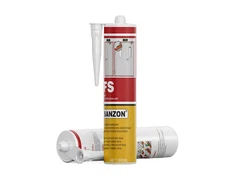
While advanced computing hardware often receives the most attention, the quality of cabinet sealing is equally important. Poor sealing can expose sensitive equipment to dust, moisture, temperature fluctuations, and airflow inefficiencies, all of which can negatively impact system performance and uptime. For data center operators, OEM manufacturers, and infrastructure integrators, Silicone Sealant has become a preferred solution for data center equipment cabinet sealing because of its durability, flexibility, and long-term environmental resistance.
As modern data centers evolve toward higher power densities and stricter uptime requirements, silicone sealants are becoming an indispensable component in ensuring reliable infrastructure protection.
Why Data Center Equipment Cabinet Sealing Matters
Equipment cabinets are more than simple enclosures. They serve as protective environments that house mission-critical IT systems responsible for processing and transmitting enormous volumes of data every second.
A typical data center cabinet may contain:
Rack servers
Storage systems
Network switches
Power distribution units (PDUs)
Fiber optic equipment
Backup power systems
Cooling management components
These devices generate significant heat and require carefully controlled operating environments.
Even small gaps within cabinet structures can allow dust, moisture, and uncontrolled airflow to enter the enclosure, potentially reducing efficiency and increasing maintenance requirements.
Reliable equipment cabinet sealing helps maintain stable operating conditions and supports continuous data center operations.
Controlling Airflow for Improved Cooling Efficiency
Thermal management is one of the most important aspects of data center operation.
Servers generate substantial amounts of heat during continuous operation. Efficient cooling systems are designed to remove this heat while maintaining optimal equipment temperatures.
However, uncontrolled air leakage can disrupt airflow patterns and reduce cooling effectiveness.
Silicone sealants help create airtight seals around cabinet joints, cable entry points, access panels, and structural seams.
By minimizing unwanted air leakage, they support efficient hot aisle and cold aisle containment strategies.
Proper airflow management enables cooling systems to operate more effectively, reducing energy consumption and improving overall efficiency.
For large hyperscale data centers, even small improvements in airflow control can generate significant cost savings.
Preventing Dust and Particle Contamination
Dust is one of the most common threats to IT equipment reliability.
Fine particles can accumulate on server components, cooling fans, and circuit boards, reducing cooling performance and increasing the risk of equipment failure.
Data centers located near urban areas, industrial zones, or construction sites may be particularly vulnerable.
Silicone sealants help create sealed environments that minimize particle infiltration.
Their ability to close gaps and maintain airtight barriers contributes to cleaner operating conditions.
Reducing dust accumulation also lowers maintenance frequency and extends equipment lifespan.
For operators pursuing maximum uptime, contamination control is a critical advantage.
Protecting Against Moisture and Condensation
Although data centers are climate-controlled environments, moisture management remains an important consideration.
Humidity fluctuations, accidental water exposure, and condensation can all create risks for sensitive electronic equipment.
Moisture entering cabinet interiors may contribute to corrosion, electrical faults, and premature component degradation.
Silicone sealants provide excellent waterproofing capabilities and help establish moisture-resistant barriers around vulnerable areas.
Their hydrophobic properties prevent water penetration and help protect valuable assets.
This moisture protection is particularly important for edge data centers and facilities located in regions with high humidity.
Accommodating Thermal Expansion and Equipment Vibration
Data center equipment operates continuously, generating heat and causing temperature fluctuations within cabinet structures.
In addition, cooling fans and power systems generate low-level vibration over extended periods.
Metal cabinets naturally expand and contract as temperatures change.
Traditional rigid sealing materials may crack or separate under these conditions.
Silicone sealants remain highly flexible throughout their service life.
Their elasticity allows them to absorb thermal movement and mechanical vibration while maintaining reliable sealing performance.
This flexibility helps preserve cabinet integrity and supports long-term infrastructure reliability.
Excellent Temperature Resistance
Modern data centers operate around the clock, requiring materials that can perform consistently under continuous thermal stress.
Silicone sealants maintain their physical properties across a wide temperature range.
They remain flexible at lower temperatures and stable under elevated operating conditions.
Unlike some conventional materials, silicone sealants resist hardening, shrinking, and cracking over time.
This thermal stability ensures reliable performance throughout years of uninterrupted operation.
For mission-critical facilities, long-term material stability is an essential requirement.
Supporting Fire Safety Requirements
Fire safety is a major concern in data center design.
Cable penetrations, equipment openings, and cabinet interfaces must be properly sealed to help control the spread of smoke and heat in emergency situations.
Certain specialized silicone formulations are available with flame-retardant properties that support fire protection strategies.
While fire safety requirements vary by project, high-performance silicone sealants can contribute to safer infrastructure design.
Data center engineers often incorporate these solutions into broader risk management programs.
Improved fire resistance also helps facilities comply with industry standards and building regulations.
Long-Term UV and Environmental Resistance
Not all data center infrastructure is located indoors.
Edge computing facilities, modular data centers, and outdoor support systems may be exposed to sunlight and changing weather conditions.
Silicone sealants provide excellent UV resistance and weather durability.
They maintain their elasticity even after prolonged environmental exposure.
This performance reduces maintenance requirements and ensures consistent protection over long periods.
For outdoor deployments, weather resistance is a particularly valuable advantage.
Strong Adhesion to Multiple Data Center Materials
Modern data center cabinets are manufactured using a variety of materials, including:
Galvanized steel
Stainless steel
Aluminum
Powder-coated metal surfaces
Engineering plastics
Composite panels
Silicone sealants exhibit excellent adhesion to these substrates.
Their compatibility simplifies manufacturing processes and improves installation consistency.
Strong bonding performance also reduces the risk of future seal failures.
This versatility makes silicone sealants suitable for both OEM production and retrofit applications.
Reducing Maintenance Costs and Maximizing Uptime
Downtime is one of the most expensive challenges facing data center operators.
Even brief interruptions can lead to substantial financial losses and reputational damage.
Long-lasting sealing materials help reduce the likelihood of equipment-related disruptions.
Silicone sealants resist aging, environmental degradation, and mechanical stress, allowing operators to extend maintenance intervals.
Lower maintenance requirements also reduce labor expenses and improve operational efficiency.
For hyperscale operators managing thousands of cabinets, these savings can be significant.
Reliable sealing directly supports higher infrastructure availability.
Supporting Sustainable Data Center Development
Sustainability has become a strategic priority for the global data center industry.
Operators are under increasing pressure to reduce energy consumption and improve environmental performance.
Efficient cooling systems are one of the most effective ways to achieve these goals.
By improving airflow management and reducing cooling losses, silicone sealants contribute to lower energy usage.
Their long service life also reduces material waste associated with frequent replacements.
These benefits support green building initiatives and corporate sustainability objectives.
As organizations strive to reduce carbon emissions, durable sealing technologies become increasingly important.
Why Data Center Manufacturers and Procurement Teams Choose Silicone Sealants
Data center designers, OEM manufacturers, and procurement specialists increasingly select silicone sealants because they provide a broad range of performance advantages.
Key benefits include:
Excellent airtight sealing performance
Improved cooling efficiency
Superior dust protection
Effective moisture resistance
Outstanding flexibility
Wide operating temperature range
Strong substrate adhesion
Long-term durability
Reduced maintenance requirements
Extended equipment lifespan
These characteristics make silicone sealants a highly reliable solution for modern data center infrastructure.
Conclusion
Data center equipment cabinet sealing has become a critical element in maintaining operational efficiency, equipment reliability, and business continuity.
As digital infrastructure continues to expand, protecting sensitive hardware from environmental risks is more important than ever.
Silicone sealants offer an ideal combination of airtight performance, moisture resistance, flexibility, temperature stability, and long-term durability.
By improving airflow management, reducing contamination risks, and lowering maintenance costs, silicone sealants help data centers achieve higher reliability and improved energy efficiency.
For data center manufacturers, system integrators, and infrastructure operators, Silicone Sealant has become an essential material for modern data center equipment cabinet sealing applications.
Investing in high-performance sealing technology is not only a strategy for protecting valuable IT assets, but also a long-term investment in sustainable, resilient, and future-ready digital infrastructure.
Send Inquiry