


Key Elements and Practices of Ink Cartridge Quality Control
Jul 15, 2025
Leave a message
As a core consumable component of printing equipment, ink cartridges' quality directly impacts printing results, device lifespan, and user experience. Therefore, establishing a rigorous ink cartridge quality control system is crucial.
First, the selection and inspection of raw materials is the foundation of quality control. The ink composition, sealing materials, and plastic casing of the ink cartridge must all meet environmental and durability standards. The ink must possess stable chemical properties to avoid settling or fading; the seals must be pressure-resistant and leak-proof to prevent ink drying or leakage. Suppliers must provide quality inspection reports for each batch of materials to ensure compliance with the company's established technical specifications.
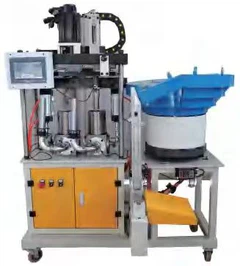
Second, process control during the production process is crucial. Ink cartridge assembly must be performed in a dust-free environment to prevent dust particles from contaminating the ink or clogging the printheads. Automated equipment should be regularly calibrated to ensure accurate ink fill levels (typically within ±1%). Furthermore, welding and sealing processes must pass pressure testing to prevent ink leaks or ink breakage during use.
Finally, finished product inspection is the final barrier to quality assurance. Each batch of ink cartridges undergoes multiple tests, including print quality testing (such as text clarity and color reproduction), durability testing (such as stability in high-temperature and high-humidity environments), and compatibility testing (ensuring compatibility with different printer brands). Samples also undergo long-term storage testing to verify the ink's performance stability throughout its shelf life.
Finally, quality traceability and continuous improvement are equally important. Recording the production data of each ink cartridge through a QR code or serial number system facilitates problem tracing. Companies should regularly analyze customer feedback and optimize production processes, such as adjusting ink formulas to reduce nozzle clogging or improving packaging to extend the shelf life of unopened cartridges.
In summary, ink cartridge quality control must be implemented throughout the entire process, from raw materials to after-sales service. Through scientific management and technological innovation, we can ensure high product reliability and customer satisfaction.
Send Inquiry