


How High-Temperature Silicone Sealant Improves Oil Pan Sealing Performance and Durability
May 18, 2026
Leave a message

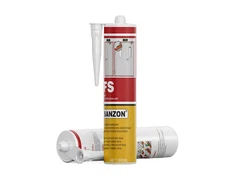
The oil pan is located at the bottom of the automotive engine, undertaking the crucial task of storing circulating engine oil, settling metal impurities, and maintaining continuous engine lubrication. As a chassis exposed component, the oil pan faces severe working conditions including long-term high-temperature heat radiation, continuous road vibration, splash of oil and water, and complex outdoor temperature changes. These factors make the oil pan joint one of the most vulnerable positions for oil leakage. High-temperature silicone sealant has become the most effective solution for oil pan sealing, significantly improving sealing durability and preventing common lubrication system failures.
Most oil pan leakage problems are caused by insufficient high-temperature aging resistance of traditional sealing materials. After the engine runs for a long time, the residual temperature of the oil pan remains high for a long period. Ordinary gaskets and low-quality sealants will gradually harden, shrink, and lose elasticity under continuous high-temperature baking and oil immersion. Small gaps begin to appear at the joints, leading to slow oil seepage, dirty engine bottoms, and even serious oil dripping. Premium silicone sealant is specially formulated for oil pan working environments, maintaining stable elasticity and adhesion under long-term high-temperature and high-oil conditions without aging or failure.
Strong oil resistance is the biggest advantage of silicone sealant for oil pan applications. The oil pan is completely immersed in circulating engine oil during vehicle operation. Only high-purity modified silicone materials can resist chemical erosion from various engine oil additives. This excellent oil-proof performance prevents swelling, peeling, and degradation, ensuring permanent tight bonding between the oil pan and the engine block. It thoroughly solves common industry pain points such as aging gasket failure, side seam seepage, and bottom oil leakage.
Vibration resistance and chassis environmental adaptability also highlight the value of silicone sealant. The oil pan bears frequent road bump vibration and airflow impact during driving. Rigid gaskets cannot buffer mechanical stress and easily loosen and deform. After curing, silicone sealant forms a flexible elastic layer that absorbs vibration displacement and balances the tiny gaps caused by metal thermal expansion and contraction. It effectively avoids sealing cracking caused by vibration and ensures zero leakage in long-term driving scenarios.
For auto repair shops, aftermarket suppliers, and bulk buyers, silicone sealant offers extremely high cost performance and construction convenience. Compared with traditional paper gaskets and rubber gaskets, silicone sealant features simpler operation, stronger adaptability to irregular surfaces, and longer service life. It is suitable for new vehicle assembly, old vehicle leakage repair, and engine overhaul sealing. The cured layer is waterproof, dustproof, and anti-corrosion, protecting oil pan joints from rust and external contamination and stabilizing the overall health of the engine lubrication system.
Overall, high-temperature silicone sealant greatly enhances the safety and durability of oil pan sealing. It perfectly adapts to high temperature, oil immersion, and vibration working environments, eliminates oil leakage risks, reduces vehicle maintenance frequency, and protects engine lubrication safety. It is a must-have high-quality consumable for automotive production and aftermarket maintenance industries.
Send Inquiry