


Eco-Friendly Silicone Sealants: The Future of Sustainable Construction Materials
Jul 27, 2026
Leave a message

Introduction: A New Era of Green Construction
The construction industry is entering a new stage where performance is no longer the only standard for evaluating building materials. Today, architects, contractors, developers, and homeowners are increasingly focusing on environmental impact, indoor air quality, and long-term sustainability. As green building concepts become more widely adopted around the world, traditional construction materials are being replaced by smarter and more eco-conscious alternatives.
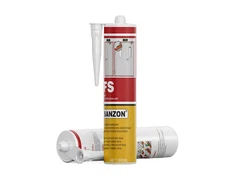
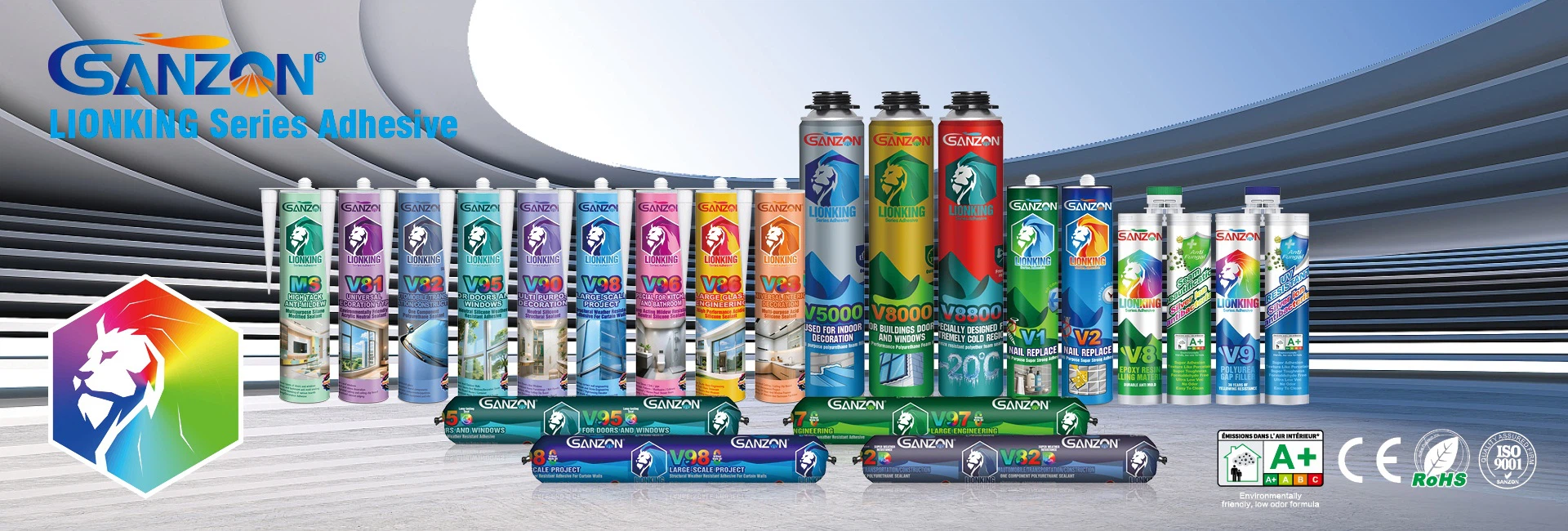
Among these innovations, eco-friendly silicone sealants are becoming an important solution for modern construction projects. Designed with low VOC emissions, reduced odor, and improved environmental performance, sustainable silicone sealants help create healthier buildings while maintaining excellent sealing capabilities.
From commercial buildings and residential projects to energy-efficient structures, green silicone sealants are helping redefine how construction materials contribute to a more sustainable future.
1. Why Sustainable Sealants Matter in Modern Construction
Sealants may seem like a small component of a building, but their role is essential. They protect structures from water leakage, air infiltration, temperature changes, and environmental damage. A high-quality sealant can improve building durability, energy efficiency, and overall safety.
However, traditional sealant products may contain higher levels of volatile organic compounds (VOCs), which can contribute to indoor air pollution and unpleasant odors during application. With increasing awareness of environmental protection and human health, the demand for cleaner and safer construction materials continues to grow.
Eco-friendly silicone sealants are developed to address these challenges. They combine advanced chemical technology with sustainability goals, offering reliable sealing performance while reducing environmental impact.
The future of construction is not only about building stronger structures-it is about creating healthier spaces with responsible materials.
2. Low VOC Silicone Sealants: Protecting Indoor Air Quality
One of the most important features of environmentally friendly sealants is low VOC performance.
VOC (Volatile Organic Compounds) refers to chemical substances that can evaporate into the air during and after product application. High VOC emissions may affect indoor air quality and create discomfort in enclosed spaces.
Low VOC silicone sealants are specially formulated to minimize these emissions while maintaining strong adhesion, flexibility, and weather resistance.
Benefits of Low VOC Silicone Sealants:
✔ Healthier Indoor Environments
Buildings with better indoor air quality provide more comfortable living and working spaces. Low VOC sealants help reduce unwanted chemical emissions, making them suitable for homes, offices, schools, hospitals, and other sensitive environments.
✔ Compliance With Green Building Standards
Many modern construction projects follow international sustainability certifications and environmental requirements. Low VOC materials support projects seeking recognition through green building programs by improving indoor environmental quality.
✔ Safer Application Experience
During installation, workers are exposed to construction materials for extended periods. Low VOC formulas help create a more comfortable working environment with fewer chemical emissions.
As sustainability becomes a key factor in material selection, low VOC silicone sealants are becoming an essential choice for responsible construction.
3. Green Building and the Role of Silicone Sealants
Green building focuses on reducing environmental impact throughout the entire life cycle of a building-from material production and construction to operation and maintenance.
Eco-friendly silicone sealants support green building goals in several ways.
Improving Energy Efficiency
Proper sealing helps prevent unwanted air leakage around windows, doors, curtain walls, and building joints. By reducing heat loss in winter and heat gain in summer, silicone sealants contribute to better energy efficiency.
A well-sealed building requires less energy for heating and cooling, helping reduce carbon emissions over time.
Extending Building Lifespan
Durability is a key element of sustainable construction. Replacing damaged materials frequently creates additional waste and consumes more resources.
High-performance silicone sealants offer excellent resistance to:
UV radiation
Extreme temperatures
Moisture
Weather changes
Aging effects
By protecting building structures for many years, sustainable silicone sealants reduce maintenance needs and support longer-lasting buildings.
Supporting Responsible Material Choices
Green construction is not only about energy savings but also about selecting materials with lower environmental impact. Eco-friendly silicone sealants represent a move toward more responsible product development and manufacturing.
4. Odor-Free Silicone Sealants: Creating More Comfortable Spaces
Another major trend in sustainable construction is the demand for odor-free formulas.
Traditional sealants may release strong smells during curing, which can affect indoor comfort, especially in closed spaces. This can be a concern for residential renovations, commercial interiors, healthcare facilities, and schools.
Odor-free silicone sealants are designed to provide a cleaner installation experience.
Advantages of Odor-Free Formulas:
Better User Experience
A low-odor working environment allows construction projects to continue with fewer disruptions. Occupants can return to renovated spaces more comfortably.
Ideal for Sensitive Applications
Buildings such as hospitals, laboratories, hotels, and luxury residences often require materials that minimize unpleasant smells. Odor-free sealants are better suited for these applications.
Enhanced Market Appeal
As customers become more environmentally conscious, products that combine performance with comfort have stronger market value. Odor-free silicone technology helps manufacturers meet evolving expectations.
5. Sustainable Silicone Technology: Combining Performance and Responsibility
Some people believe that environmentally friendly products compromise performance. However, modern silicone technology proves that sustainability and quality can work together.
Advanced eco-friendly silicone sealants provide:
Excellent bonding strength
Long-term flexibility
Resistance to cracking
Strong waterproof protection
Weather durability
Stable performance under temperature changes
These characteristics make them suitable for various construction applications, including:
Glass and window installation
Curtain wall systems
Bathroom and kitchen sealing
Exterior building joints
Facade construction
Interior decoration projects
The development of sustainable silicone materials demonstrates that future construction solutions can achieve both environmental responsibility and professional performance.
6. The Growing Demand for Eco-Friendly Construction Materials
Global construction trends are shifting toward sustainability. Governments, businesses, and consumers are paying more attention to carbon reduction, healthy buildings, and environmentally responsible products.
This change creates new opportunities for manufacturers of eco-friendly silicone sealants.
Future construction materials will increasingly focus on:
Lower Environmental Impact
Manufacturers are investing in cleaner production methods, improved formulas, and resource-efficient technologies.
Health-Oriented Building Design
Indoor air quality is becoming a major consideration in architecture. Materials with low emissions and low odor will become more valuable.
Long-Term Building Performance
Sustainable materials must provide durability while reducing maintenance and replacement costs.
Eco-friendly silicone sealants match these future requirements by offering a balance between environmental protection and construction reliability.
7. Choosing the Right Eco-Friendly Silicone Sealant
When selecting a sustainable silicone sealant, buyers should consider several important factors:
Environmental Certifications
Look for products that meet recognized environmental standards and testing requirements.
VOC Performance
Choose formulas designed for low emissions, especially for indoor applications.
Application Requirements
Different projects require different sealing solutions. Consider factors such as surface materials, temperature conditions, and exposure environments.
Long-Term Reliability
A sustainable product should not only be environmentally friendly but also provide stable performance throughout its service life.
The best eco-friendly sealant is one that protects both the building and the people inside it.
Conclusion: Building a Greener Future With Eco-Friendly Silicone Sealants
The future of construction is moving toward sustainability, health, and efficiency. Eco-friendly silicone sealants represent an important step in this transformation by combining advanced sealing performance with environmental responsibility.
With low VOC emissions, green building compatibility, and odor-free formulas, sustainable silicone sealants help create safer indoor environments while supporting energy-efficient and durable structures.
As architects, engineers, and builders continue to search for better solutions, eco-friendly silicone technology will play an increasingly important role in shaping the buildings of tomorrow.
The future of construction is not only about creating stronger buildings-it is about creating healthier, greener, and more sustainable spaces for generations to come.
Send Inquiry