



Analysis of the Core Structure of a Filling Machine
Jul 01, 2025
Leave a message
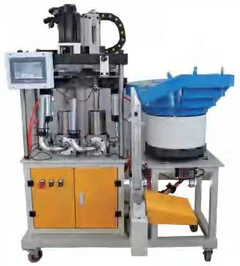
Filling machines are key equipment in modern packaging production lines, and their structural design directly impacts filling accuracy, efficiency, and applicability. A typical filling machine consists of the following core components:
The liquid storage device is the "source" of the filling machine and typically includes a material tank, a liquid level control system, and a liquid inlet pipe. The material tank stores the liquid to be filled, and its capacity must be designed according to production requirements. A liquid level sensor or float device monitors the liquid level in real time to ensure a stable liquid supply. The liquid inlet pipe connects the liquid storage tank to the filling head. Some models also include a filter to prevent impurities from entering the filling system.
The filling actuator is the "heart" of the equipment and is categorized into three types: gravity, pressure, and vacuum. Gravity-based filling relies on the liquid's own weight, offering a simple structure but slow speed. Pressure-based filling relies on air pressure or pump pressure and is suitable for high-viscosity or easily foaming liquids. Vacuum-based filling utilizes negative pressure to draw in liquid and is commonly used for low-viscosity products such as alcohol. The design of the filling head is also crucial. Rotating multi-head filling heads significantly improve efficiency, while single-head filling heads are more precise and suitable for filling small quantities.
The drive and control system determines the filling machine's level of automation. The motor, conveyor, and bottle distributor work together to ensure precise container positioning. A PLC (Programmable Logic Controller) or microcomputer system regulates fill volume, speed, and start/stop logic. Some high-end models also support touchscreen operation and data logging.
Cleanability and maintenance are also crucial. Quick-release filling heads, CIP (cleaning-in-place) systems, and seals can reduce downtime and ensure food safety.
From a structural perspective, optimized filling machine performance often stems from the precise coordination of its components. The trend toward modular design also makes the equipment more flexible and scalable.
Send Inquiry